Aloinopsis
Genus Aloinopsis – The Hardy Gems of the Aizoaceae Family
The genus Aloinopsis belongs to the family Aizoaceae, a family renowned for its tough and beautiful succulents, many of which resemble living stones. Native to the arid regions of South Africa, plants in this genus are well-adapted to survive in harsh, drought-prone environments. Aloinopsis species are treasured by succulent enthusiasts for their unique, textured leaves and vibrant blooms, which add a splash of color to otherwise rocky landscapes.
Common Characteristics
Plants in the genus Aloinopsis share several distinctive characteristics:
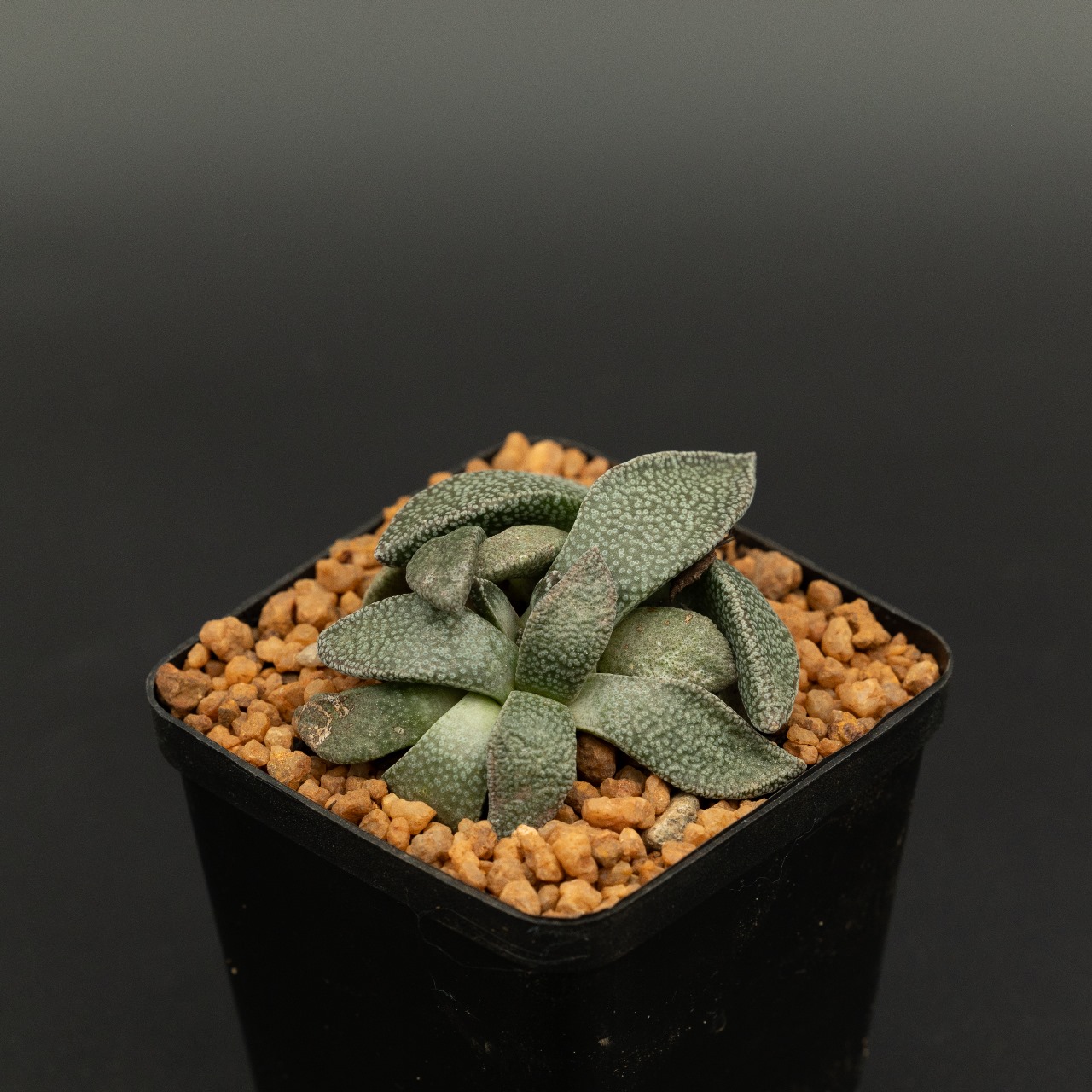
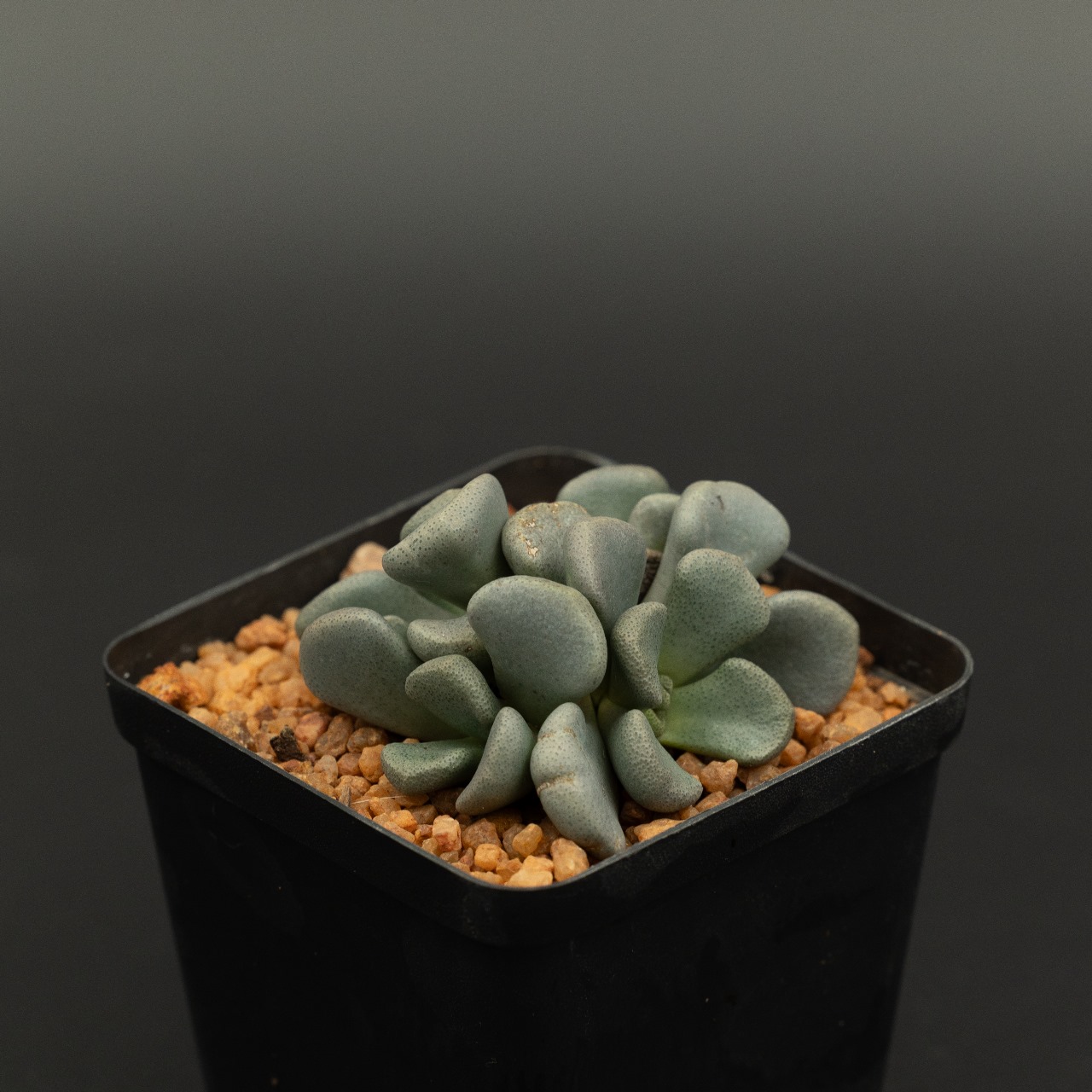
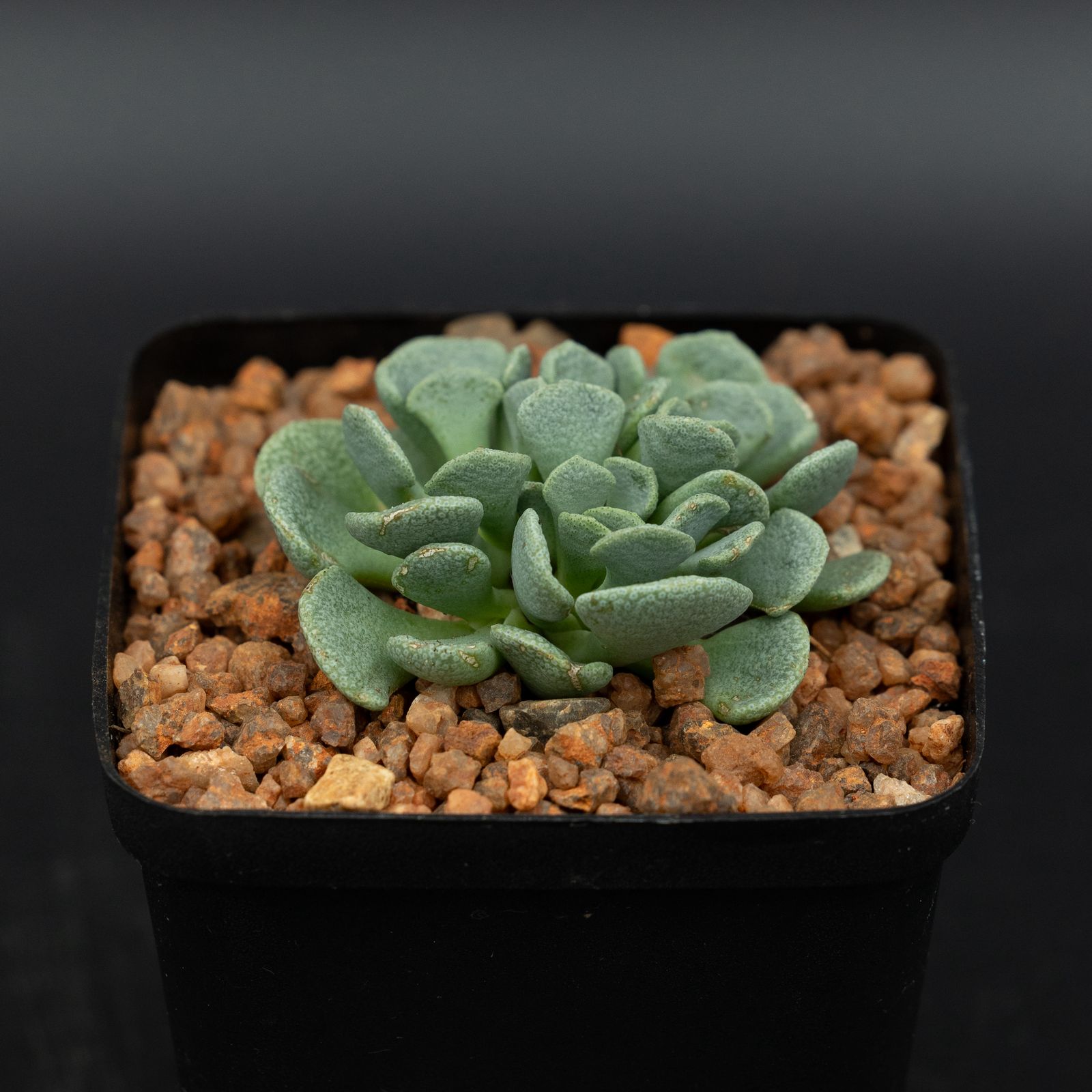
Fleshy, Warty Leaves: Aloinopsis plants typically have thick, fleshy leaves covered in a textured, almost warty surface. This adaptation helps retain moisture in dry environments.
Low-Growing Rosettes: Most species grow in compact, ground-hugging rosettes, making them ideal for rock gardens and small container arrangements.
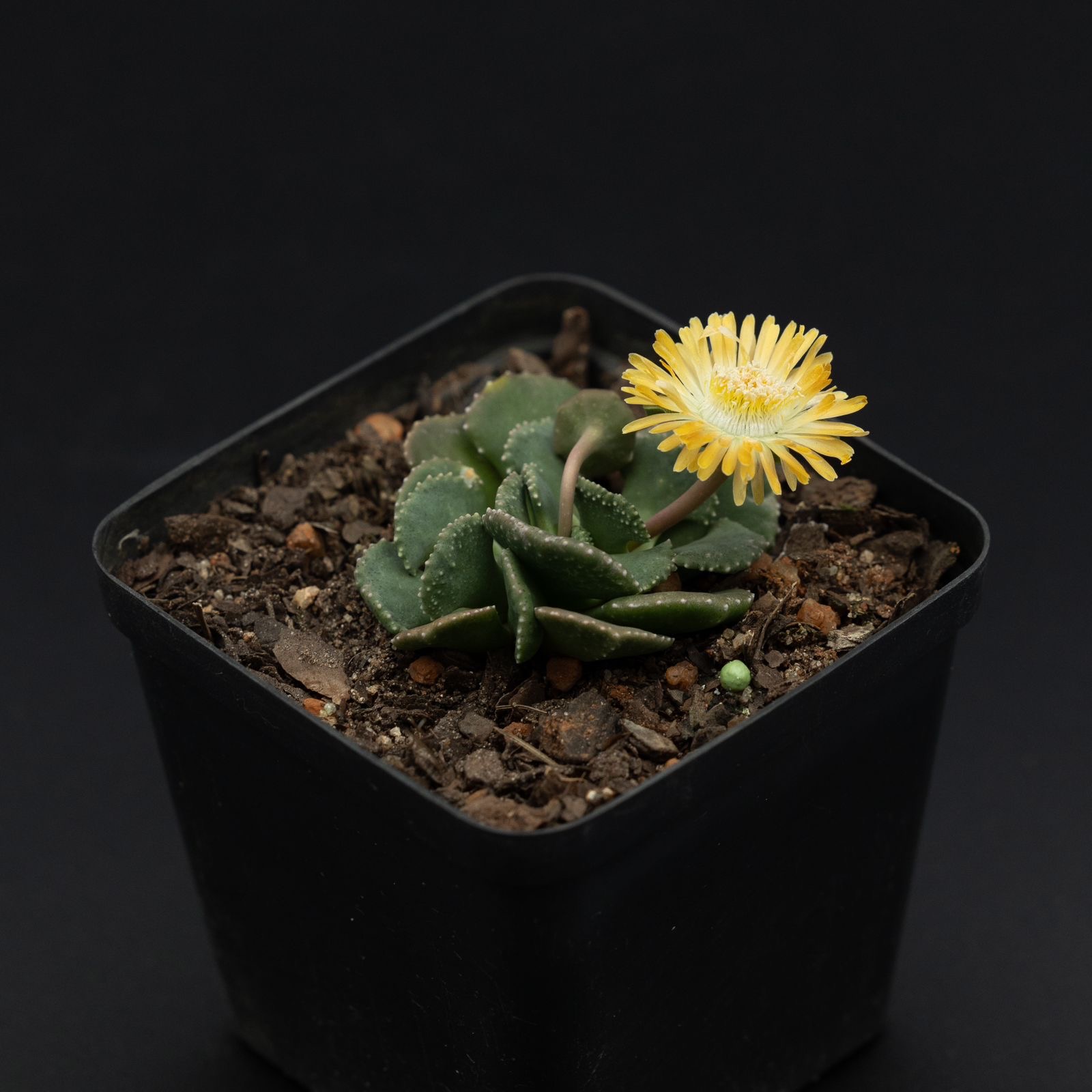
Bright Blooms: They produce daisy-like flowers in vivid shades of yellow, orange, or pink. Blooms often appear in the winter months, providing a colorful contrast to their typically green or gray foliage.
Taproot: Many Aloinopsis species have a large, underground taproot. This adaptation helps them access water deep in the soil during extended dry periods.
Native Habitat and Origins
Aloinopsis species are native to the rocky, arid regions of South Africa, primarily in the Eastern and Northern Cape provinces. These areas have harsh climates, with high temperatures, intense sunlight, and limited rainfall, contributing to the plants’ resilience and drought tolerance. In their natural habitat, Aloinopsis plants often grow in shallow soil pockets within rock crevices, where they receive excellent drainage and protection from harsh environmental conditions.
Care Guide for Aloinopsis
Caring for Aloinopsis plants is relatively straightforward, especially if you mimic their natural habitat:
Soil: Use a well-draining, gritty cactus or succulent mix to prevent root rot. Adding coarse sand or perlite can improve drainage.
Watering: Water sparingly, especially in the summer when many Aloinopsis species enter a dormant phase. During the winter growing season, water only when the soil is dry.
Light: Provide bright, indirect sunlight or morning sun to prevent leaf scorching. Indoors, a south- or east-facing window works well.
Temperature: They are cold-hardy down to around 20°F (-6°C) but do best in mild climates. Protect them from frost to avoid damage to the leaves.
Fertilization: Fertilize sparingly, once or twice during the growing season, with a balanced, diluted cactus fertilizer.
A Unique Feature: Survival Through Adaptation
One unique and fascinating aspect of Aloinopsis plants is their ability to survive harsh conditions by going dormant during the hottest, driest times of the year. Unlike many succulents, which thrive in the summer, Aloinopsis plants do most of their growing in winter and become almost dormant in summer. This seasonal dormancy allows them to conserve resources when the environment is most challenging, making them a remarkable example of nature’s adaptability. Their warty leaves and buried roots, resembling stones in their natural settings, add an additional level of camouflage, protecting them from herbivores and further enhancing their resilience.
Below are some species we are familiar with…