Aloinopsis rubrolineata
Aloinopsis rubrolineata – A Colorful Winter Bloomer

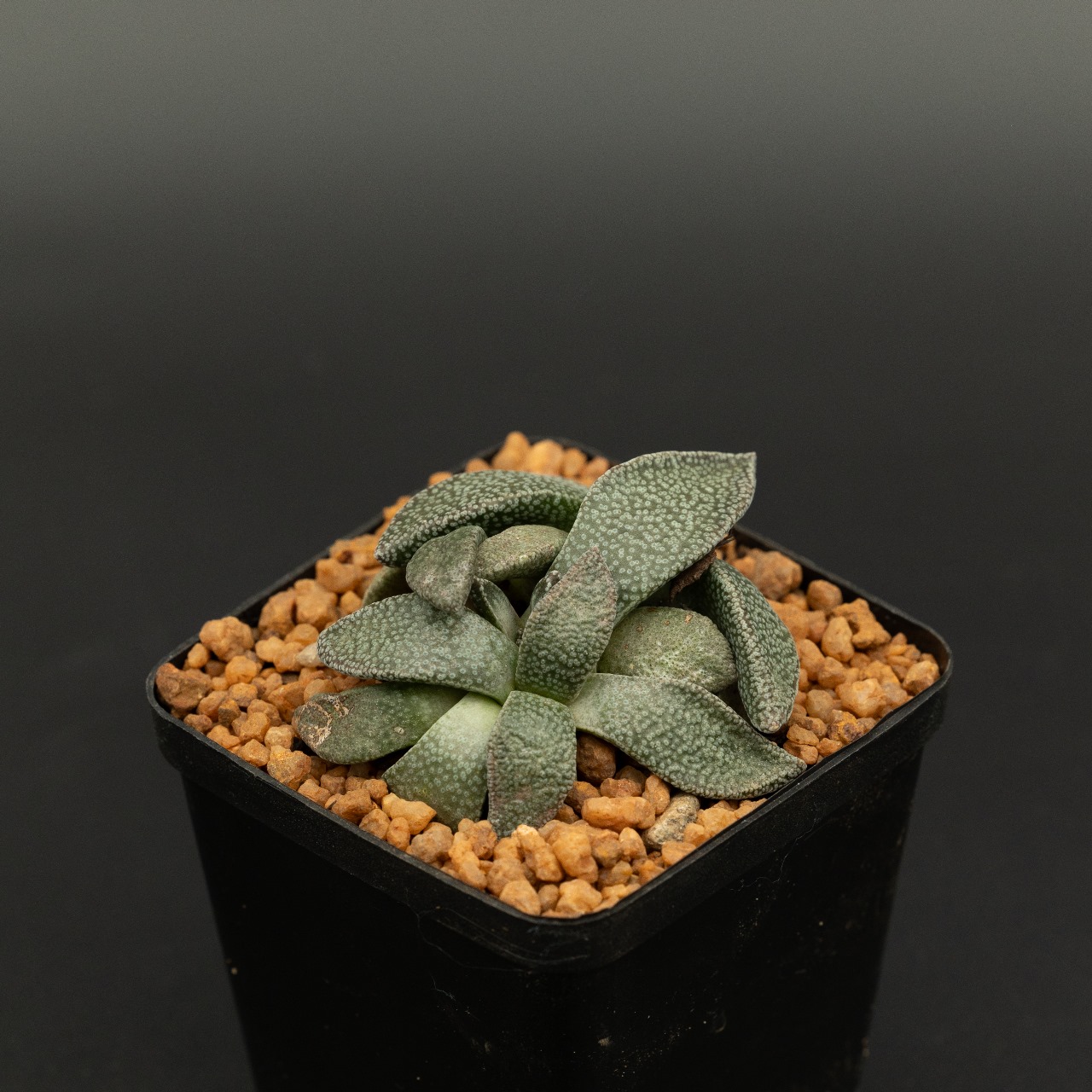
Aloinopsis rubrolineata

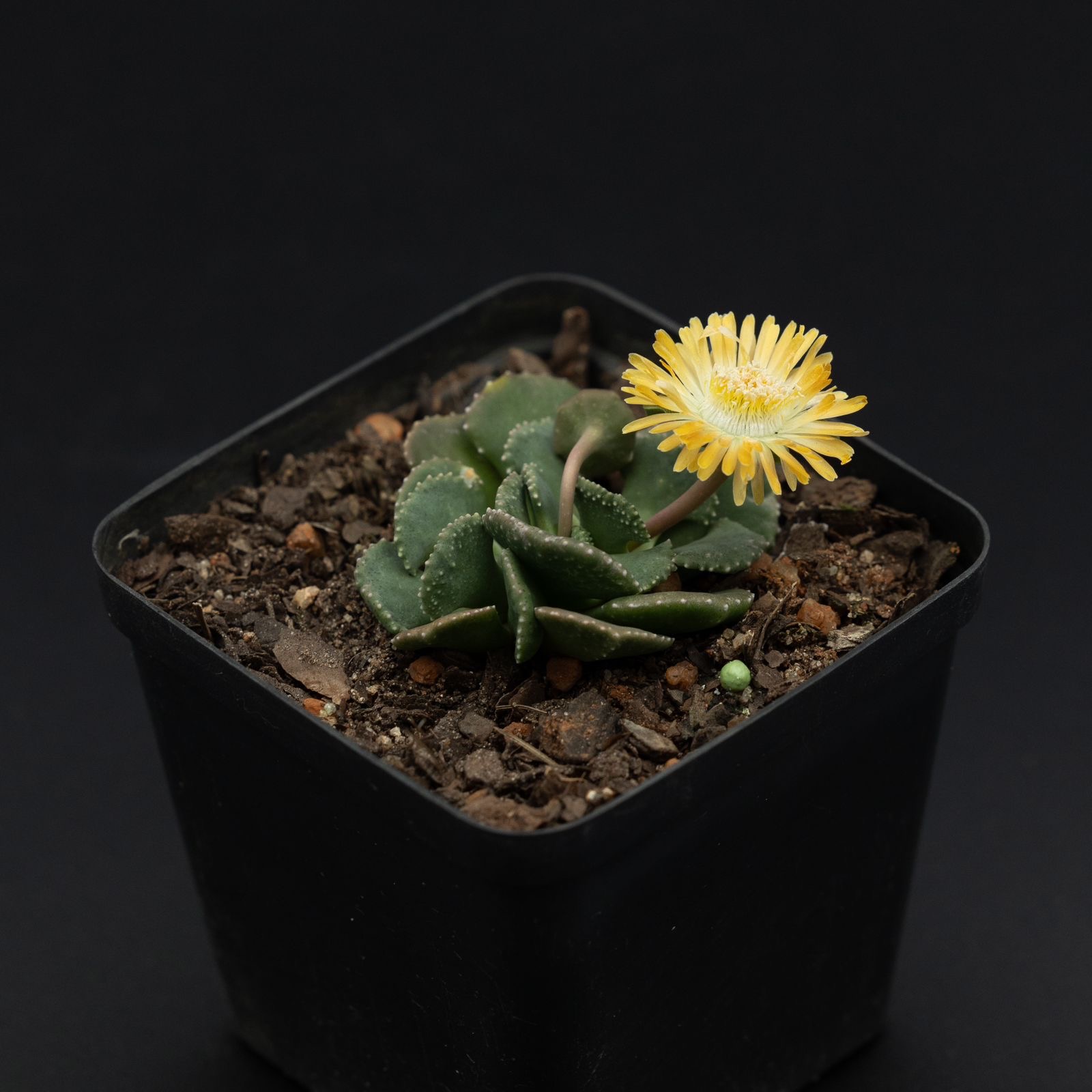
Aloinopsis rubrolineata with flower
The species Aloinopsis rubrolineata, belonging to the Aizoaceae family, is a small, resilient succulent native to the dry, rocky landscapes of South Africa. Known for its striking leaf patterns and beautiful winter flowers, A. rubrolineata is a favorite among collectors for its distinct appearance and adaptability to harsh environments.
Common Characteristics
Compact Rosettes with Textured Leaves: A. rubrolineata forms low-growing, dense rosettes of fleshy, oval-shaped leaves that are textured with fine, wart-like bumps. The leaves are typically a dusty green-gray but can take on subtle reddish tones in bright sunlight.
Distinct Red Markings: True to its name, rubrolineata (meaning “red-lined”) features fine red or pinkish lines along the edges of its leaves, creating a unique striped appearance.
Bright Yellow Flowers: In winter, A. rubrolineata produces daisy-like, golden-yellow flowers, sometimes with an orange tint. These vibrant blooms create a striking contrast against the plant’s muted foliage.
Taproot System: Like other Aloinopsis species, A. rubrolineata has a large taproot, allowing it to survive drought by accessing deep soil moisture.
Native Habitat and Origins
Aloinopsis rubrolineata is native to the Northern Cape region of South Africa, where it thrives in rocky crevices and sandy, well-drained soils. This area is characterized by intense sunlight, high summer temperatures, and sparse rainfall, making A. rubrolineata highly drought-tolerant and well-suited to extreme conditions.
Care Guide for Aloinopsis rubrolineata
To keep A. rubrolineata healthy and thriving, mimic its native habitat with the following care tips:
Soil: Use a well-draining cactus or succulent mix with added grit, sand, or pumice. This will ensure water flows quickly through the soil, preventing rot.
Watering: Water sparingly, especially during the summer dormant period. In winter, water only when the soil is dry to the touch; the plant needs very little moisture.
Light: A. rubrolineata prefers bright, indirect sunlight but can tolerate some direct sun, which enhances its red leaf markings. Avoid intense afternoon sun to prevent leaf burn.
Temperature: The plant can tolerate light frost, down to around 25°F (-4°C), but protect it from prolonged freezing conditions.
Fertilization: Apply a diluted cactus fertilizer once or twice during the winter growing season to promote healthy growth and flowering.
A Unique Feature: Striking Red-Striped Leaves
What sets Aloinopsis rubrolineata apart is its distinctive leaf patterning—fine red or pinkish lines that trace along the edges of the leaves. These red markings intensify in strong sunlight, adding to the plant’s decorative appeal. This unique striping not only makes A. rubrolineata visually stunning but may also help it adapt to its harsh environment by providing some level of shading or UV protection. Its combination of colorful markings and hardiness makes it a standout specimen in any succulent collection, especially when it bursts into bloom in the middle of winter.
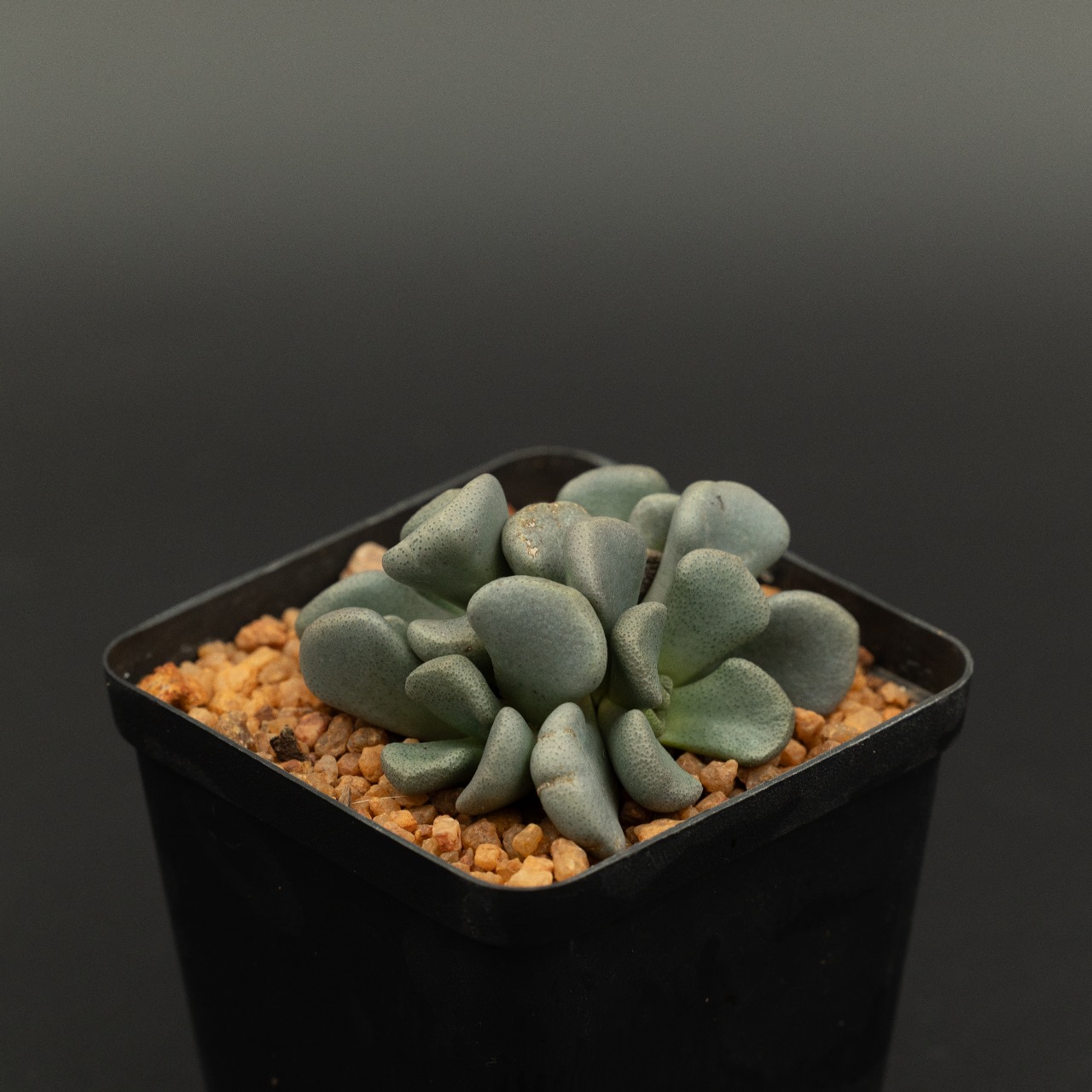
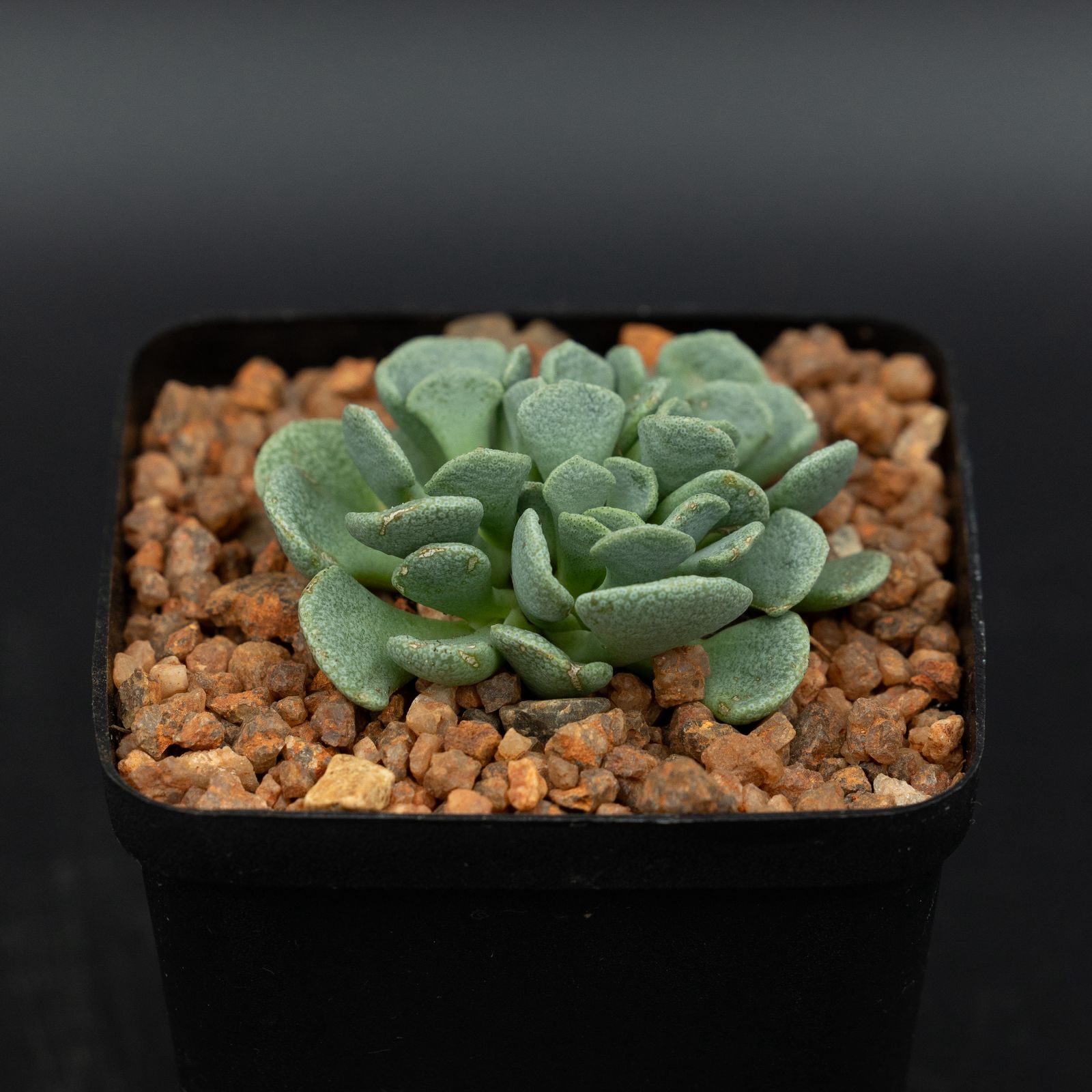
Below are some species we are familiar with…