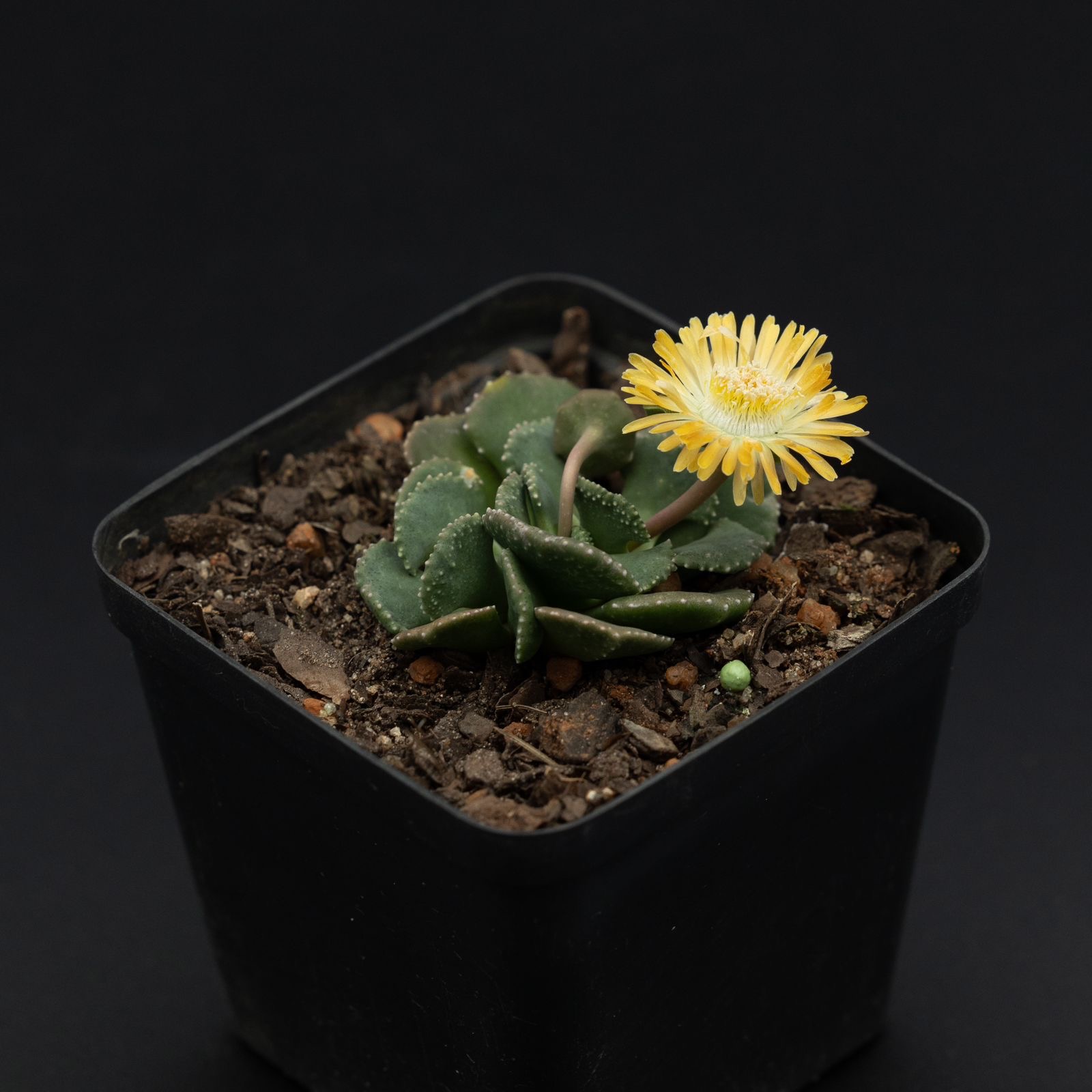
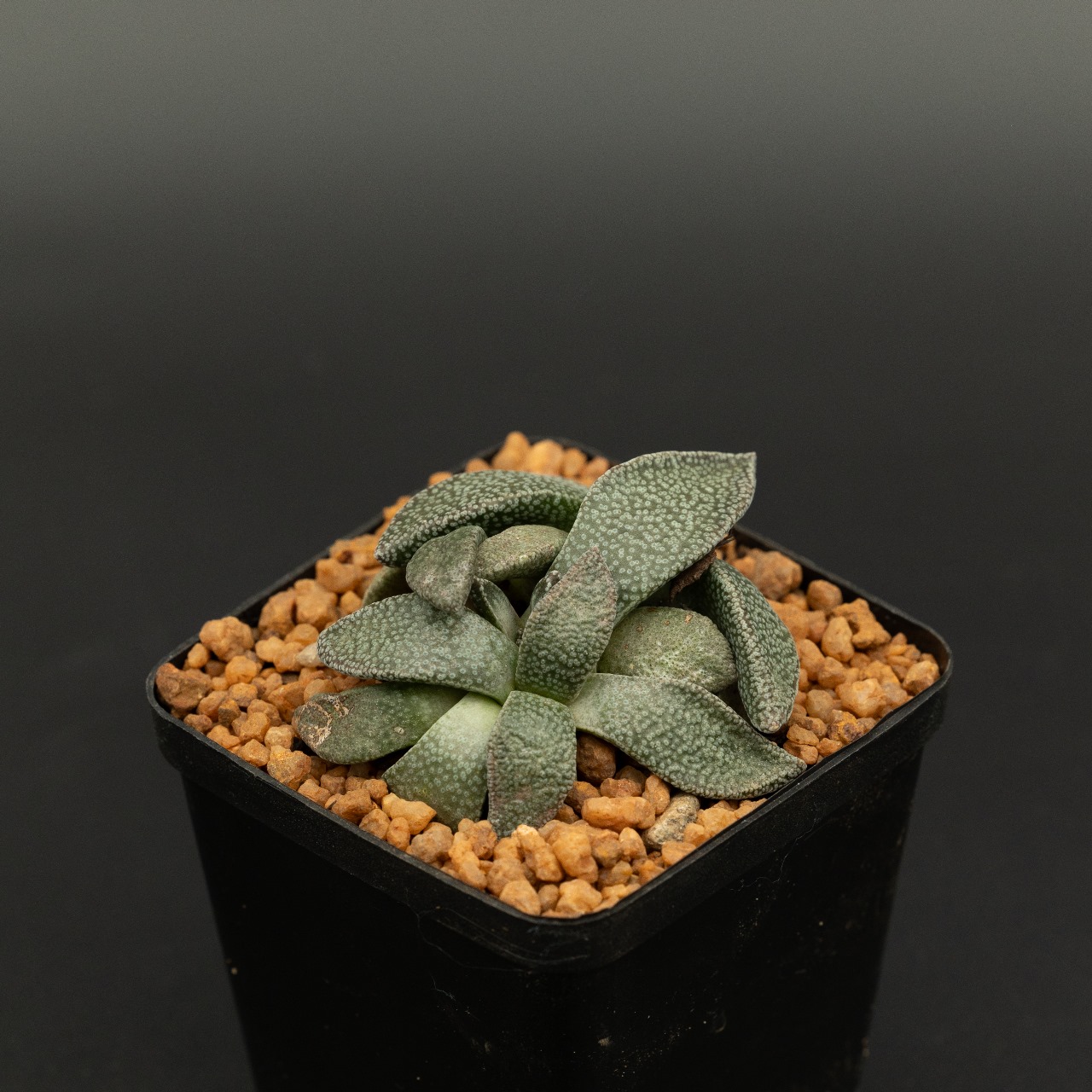
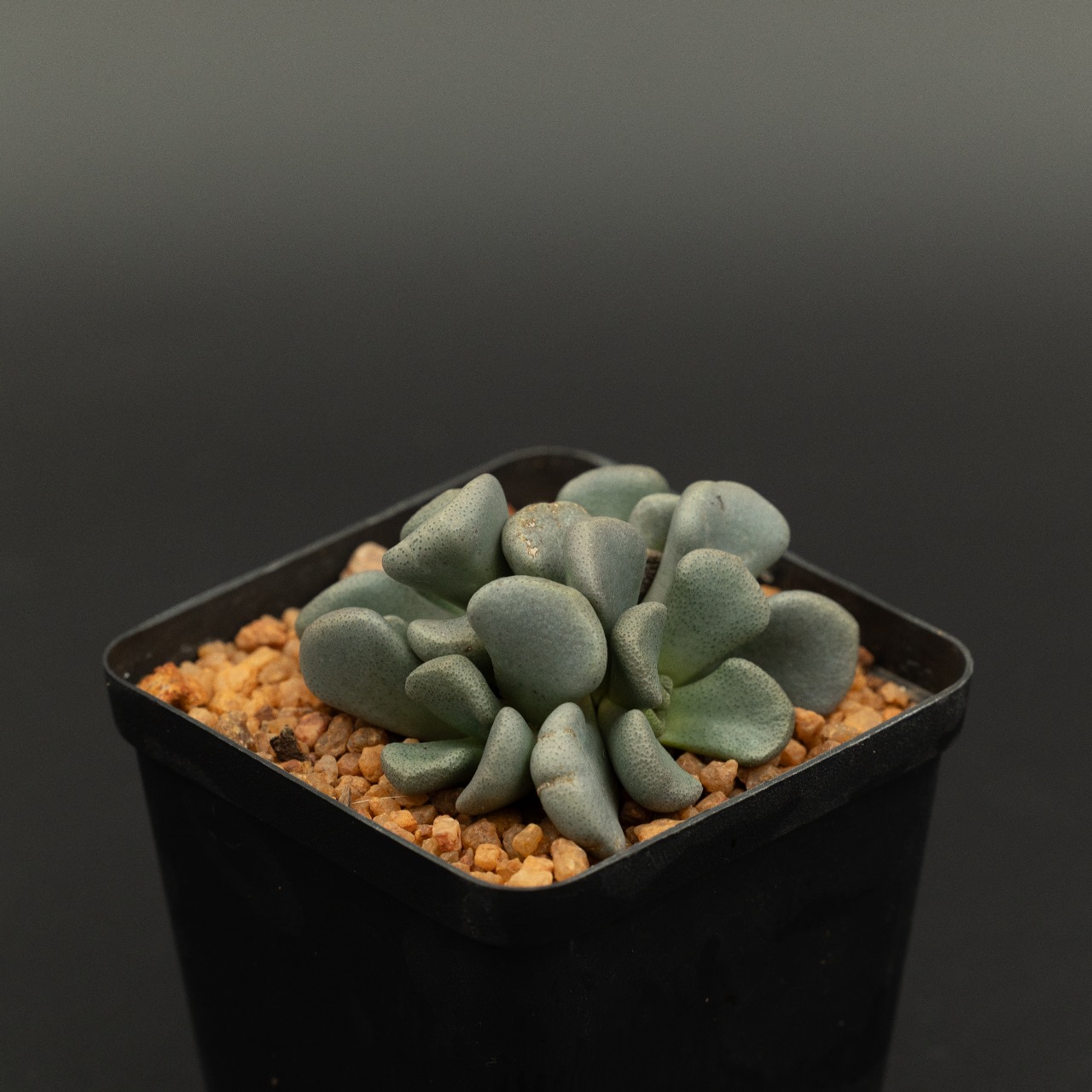
Aloinopsis spathulata
Aloinopsis spathulata – The Spoon-Leafed Succulent
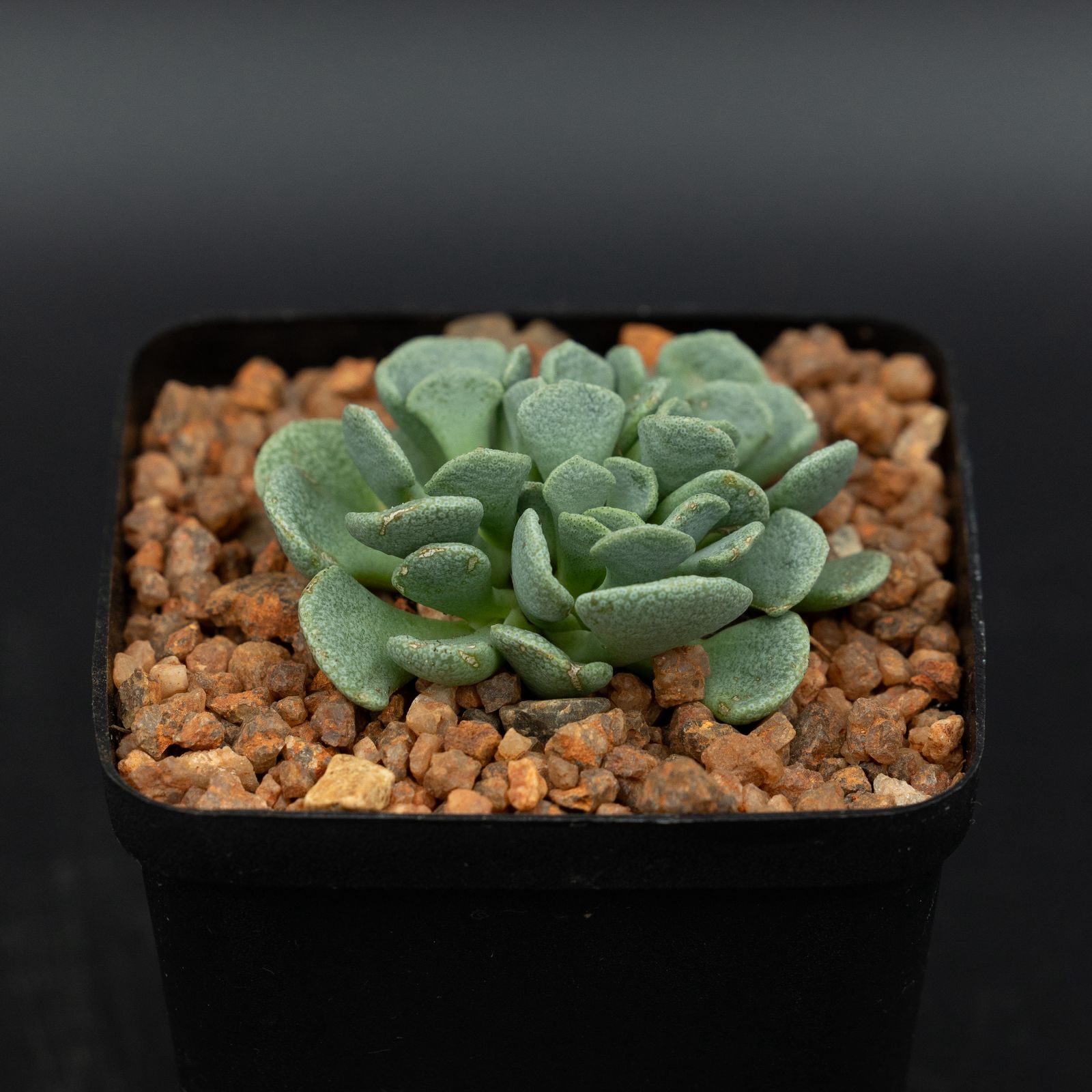
Aloinopsis spathulata, from the Aizoaceae family, is a resilient, low-growing succulent native to South Africa. Known for its distinctive spoon-shaped leaves and charming winter flowers, A. spathulata is a unique plant that thrives in rocky landscapes. Its hardy nature and interesting foliage make it a favorite among succulent enthusiasts.
Common Characteristics
Spoon-Shaped Leaves: As the name “spathulata” suggests, this species has spoon-shaped leaves that are thick, fleshy, and rounded at the tips. The leaves are typically a muted green, often with tinges of purple or red when exposed to bright light.
Textured, Warty Surface: The leaves have a rough, warty texture that adds to the plant’s stone-like appearance, helping it blend into rocky landscapes.
Bright Yellow-Orange Flowers: In winter, A. spathulata produces daisy-like flowers in shades of yellow or orange, which emerge from the center of the rosettes and add a pop of color against the muted foliage.
Large Taproot: Like other members of the Aloinopsis genus, A. spathulata has a substantial taproot, which helps it access moisture deep in the soil, allowing it to survive through long periods of drought.
Native Habitat and Origins
Aloinopsis spathulata is native to the arid, rocky regions of South Africa, specifically the Northern Cape province. It thrives in gravelly, sandy soils and often grows in crevices or rocky outcrops where water drains quickly. The dry climate, extreme temperatures, and high sunlight of this region have shaped A. spathulata into a highly drought-resistant plant.
Care Guide for Aloinopsis spathulata
Though hardy, A. spathulata has specific care requirements to keep it healthy:
Soil: Use a well-draining succulent or cactus mix with added grit, such as sand or pumice, to prevent root rot around its taproot.
Watering: Water sparingly, especially during the plant’s summer dormant period. In winter, when the plant is actively growing, water only when the soil is completely dry.
Light: A. spathulata thrives in bright, indirect sunlight, with some direct morning or late afternoon sun. Ample light helps bring out the plant’s red or purple hues.
Temperature: This species can handle light frost down to around 25°F (-4°C), but prolonged freezing should be avoided. In winter, a cool, dry environment is ideal.
Fertilization: Apply a diluted cactus fertilizer once or twice during the winter growing season to promote healthy growth and flowering.
A Unique Feature: Spoon-Like Leaves with a Stone-Like Texture
What makes Aloinopsis spathulata particularly unique is the combination of its spoon-shaped, warty leaves that give it a distinctive, stone-like appearance. This adaptation helps it blend seamlessly into its rocky surroundings, offering natural camouflage and protection from herbivores. Its interesting leaf shape, along with its hardiness, makes A. spathulata a delightful and distinctive addition to any succulent collection, especially when its bright flowers bloom in the winter.
Below are some species we are familiar with…