
Bonsai

Bonsai in Ceramic Pot – Size Guide and Pricing
Our bonsai trees in ceramic pots are available in sizes ranging from Size 1 to Size 40, with Size 1 being the most affordable and Size 40 the most premium.
Each size reflects a combination of factors that influence the value and uniqueness of the tree, not just its physical dimensions. These include:
-
The type of tree: Whether it’s indigenous or exotic, each species varies in availability and horticultural value.
-
Scarcity: Rare or hard-to-find species are placed in higher size categories.
-
Training difficulty: Some trees require years of shaping and care to achieve their final form.
-
Tree style and flow: Artistic elements such as movement, taper, and branch placement impact both beauty and price.
-
Age: Older, well-established bonsai trees are more valuable.
-
Growth habit: Whether the tree is deciduous (shedding leaves annually) or evergreen also affects classification.
-
Pot selection: Premium ceramic pots are paired to complement the tree and influence its size category.
This sizing system helps reflect not only the tree’s appearance but the craftsmanship and time invested in its creation. Each bonsai is a living sculpture, carefully trained to bring harmony, beauty, and a touch of nature into any space.
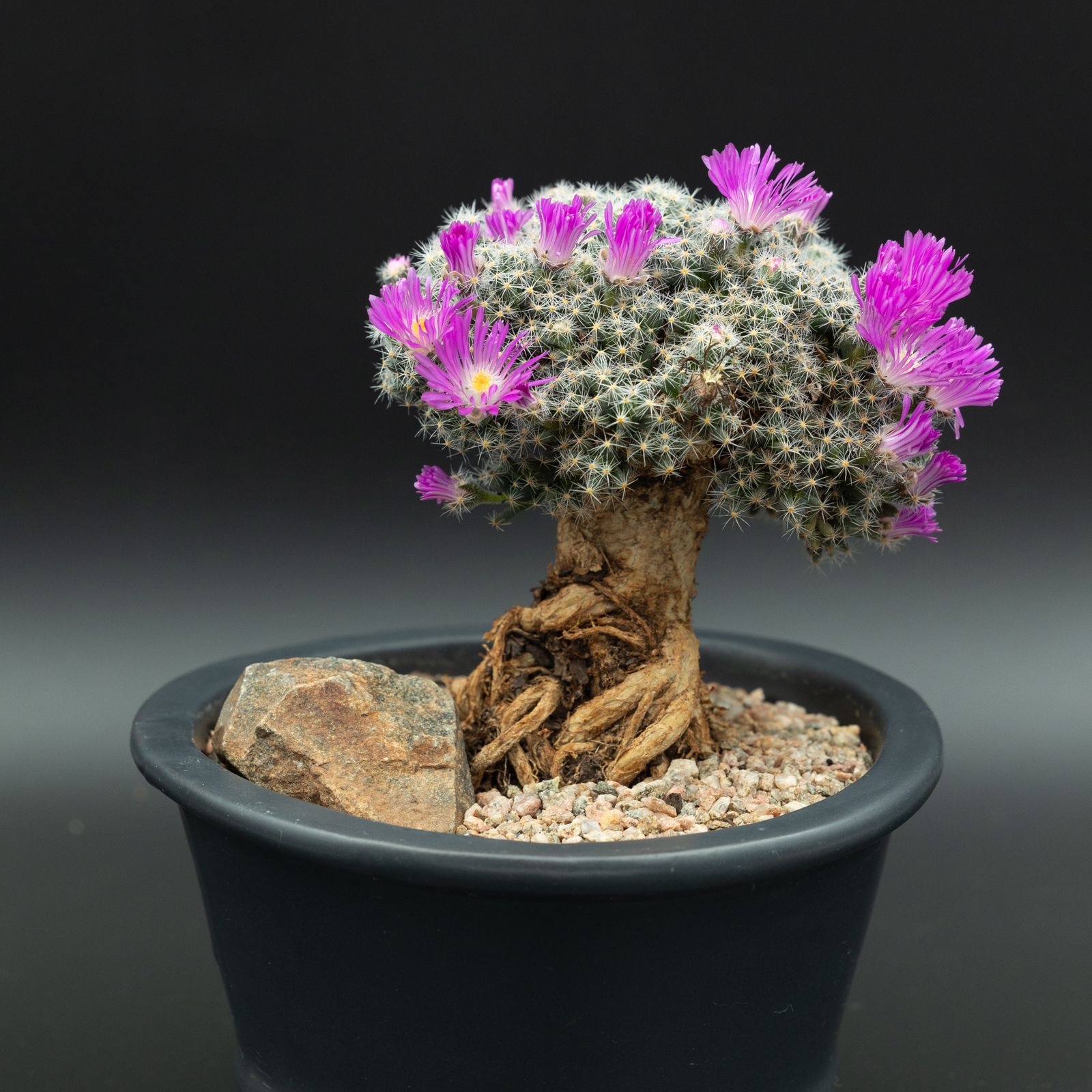
Bonsai in Plastic Training Pots – Size Guide and Pricing
Our bonsai trees in plastic training pots are available in sizes ranging from Size A to Size O, with Size A being the most affordable option and Size O representing our most premium trees in this range.
Each size reflects a thoughtful combination of factors that influence the value, development stage, and artistic quality of the bonsai:
-
Tree species: Indigenous or exotic varieties are considered based on their availability and botanical value.
-
Scarcity: Rare or slow-growing species are placed in higher size categories.
-
Training complexity: The level of care, shaping, and refinement invested in the tree impacts its classification.
-
Style and structure: Bonsai with refined flow, defined lines, and strong styling are placed in higher size grades.
-
Age: Older trees with established character and structure are more highly valued.
-
Growth type: Whether the tree is deciduous or evergreen influences its category.
-
Pot size and suitability: The plastic training pot is chosen to support the tree’s current stage of development.
This size system provides an accessible way to choose a tree based on both budget and level of refinement—ideal for beginners, collectors, or those who want to continue training their tree.
Additional Options
We also offer pre-sized bonsai in plastic training pots, ideal for gifting or entry-level collecting:
-
8 cm pots – Compact and affordable; perfect for small spaces or starter trees.
-
12 cm pots – A balance between size and refinement.
-
12 cm forest style – Multiple trees styled together in a forest composition.
-
15 cm pots – More established trees with further development and styling.
Bonsai in Plastic Grow Bags – Size Guide and Description
Our bonsai trees in plastic grow bags are available in a variety of sizes, designed for growers and enthusiasts looking for well-established, field-grown bonsai material. These trees are at various stages of development and are ideal for further training, potting, or landscape use.
Available Sizes:
-
1 Liter – Young starters or recently styled trees, ideal for beginners or further shaping.
-
3 Liter – Slightly more developed trees with early structure and potential for refinement.
-
4 Liter – Intermediate material showing more mature branching and form.
-
7 Liter – Well-established trees with thicker trunks, movement, and visible styling.
-
16 Liter – Large, mature bonsai material with excellent trunk taper, age, and advanced styling.
What Determines the Value:
Each tree’s value and size classification is influenced by:
-
Tree species – Indigenous or exotic, depending on availability and demand.
-
Tree age and maturity – Older trees have more character and development.
-
Trunk structure and movement – Thicker trunks and natural taper increase value.
-
Training and shaping – Trees that have undergone wiring, pruning, or root work are further along in bonsai development.
-
Growth habit – Deciduous or evergreen, each tree has its own training needs and aesthetic qualities.
Plastic grow bags offer affordability and practicality while maintaining the integrity of the tree’s root development. These bonsai are ideal for nurseries, collectors, or enthusiasts looking to take the next step in bonsai training.