Aloinopsis lodewykii
Aloinopsis lodewykii – The Resilient Rosette

Aloinopsis lodewykii, a unique succulent from the Aizoaceae family, is a charming, compact plant that originates from the arid landscapes of South Africa. Known for its vibrant winter blooms and distinctive, knobby foliage, A. lodewykii is a prized addition to succulent collections for its resilience and aesthetic appeal.
Common Characteristics
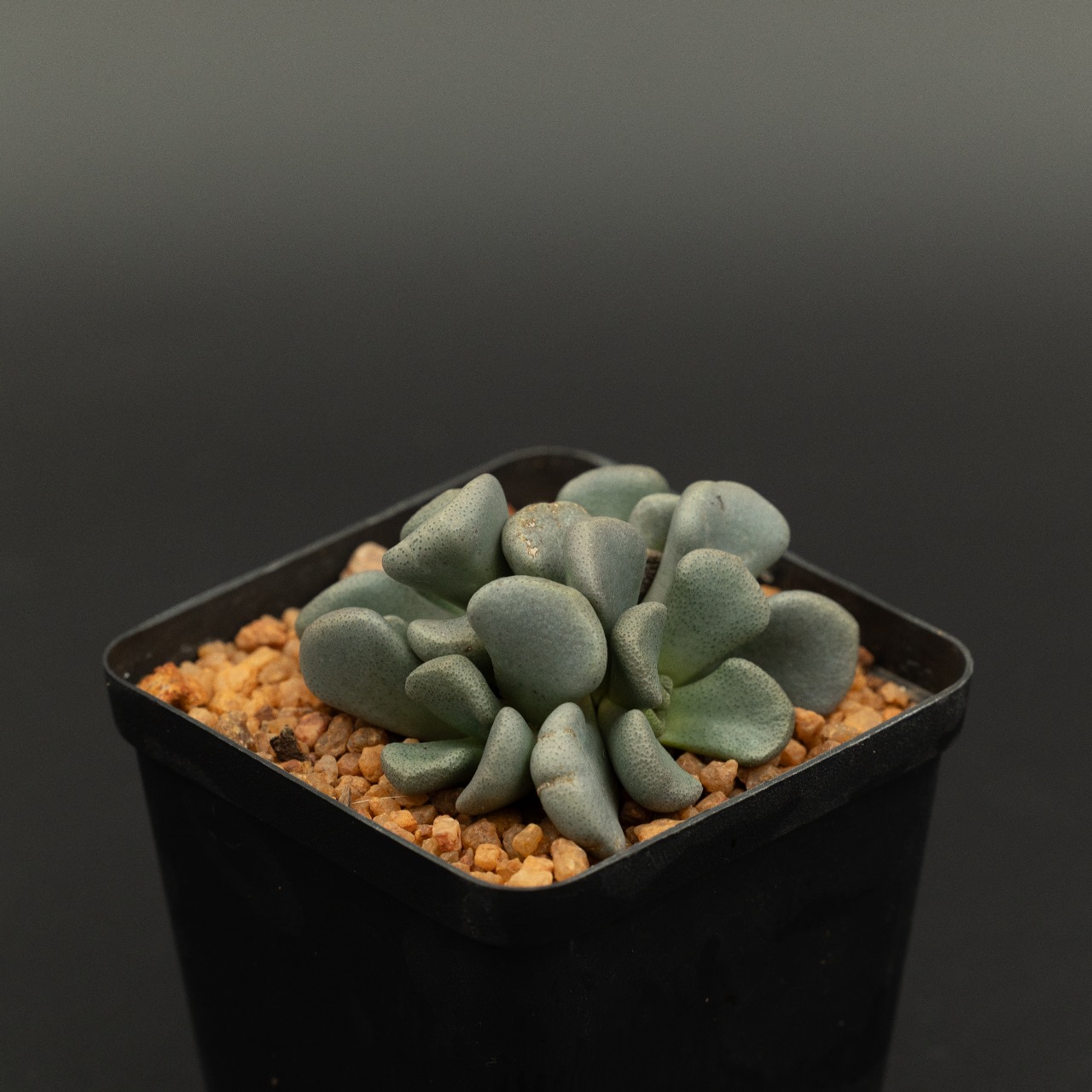
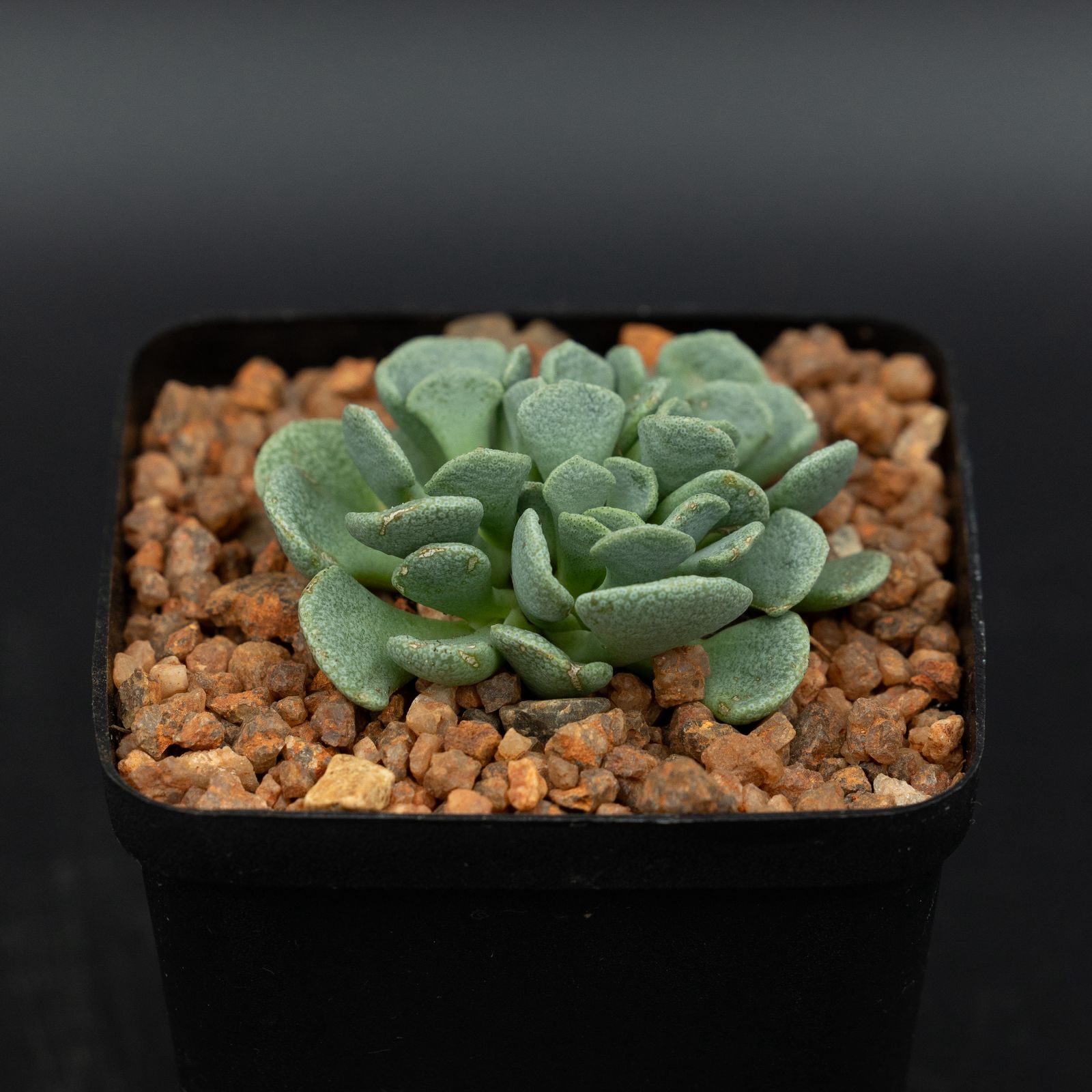
Low-Growing Rosettes: A. lodewykii forms small, compact rosettes that spread low to the ground. Its growth pattern makes it suitable for rock gardens or small containers.
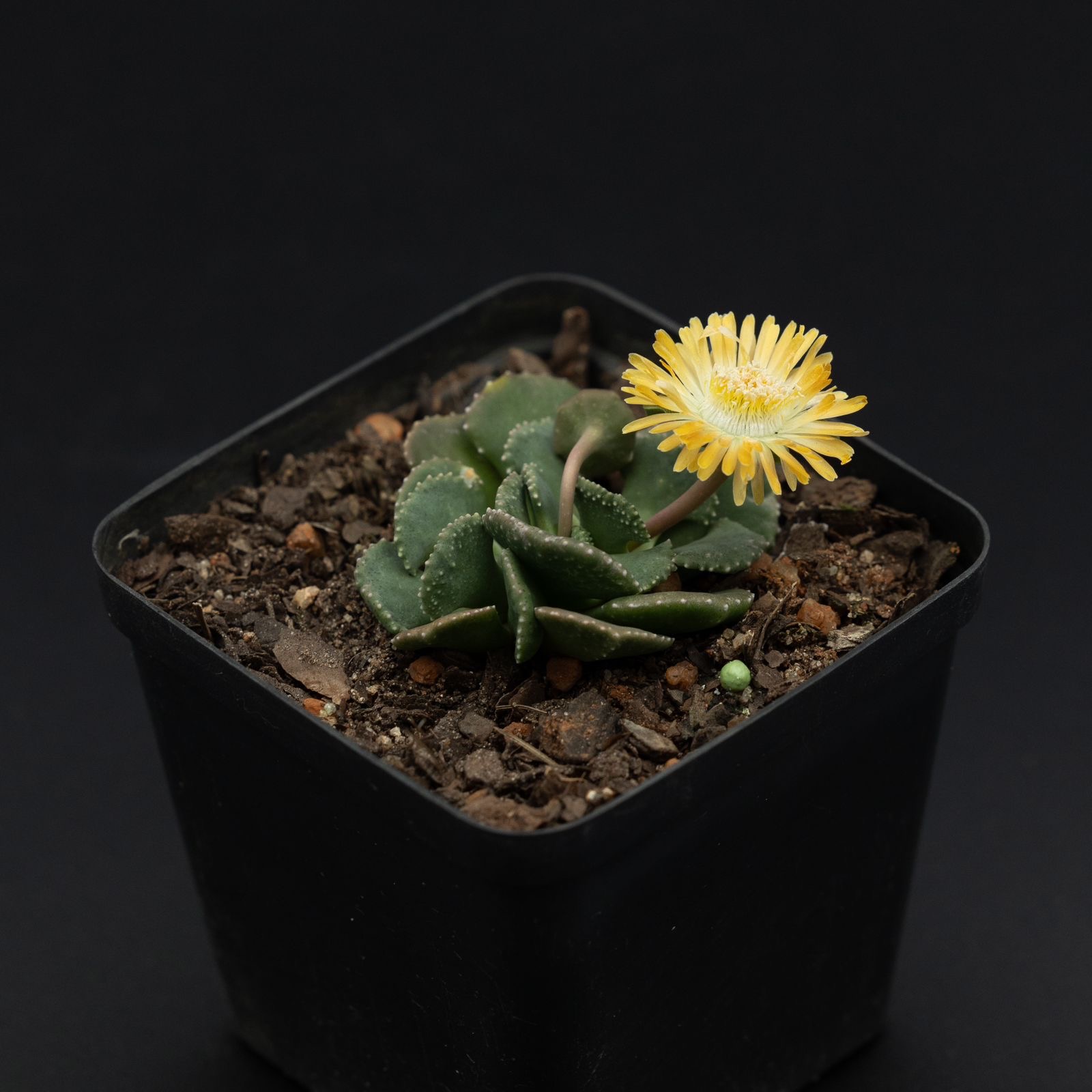
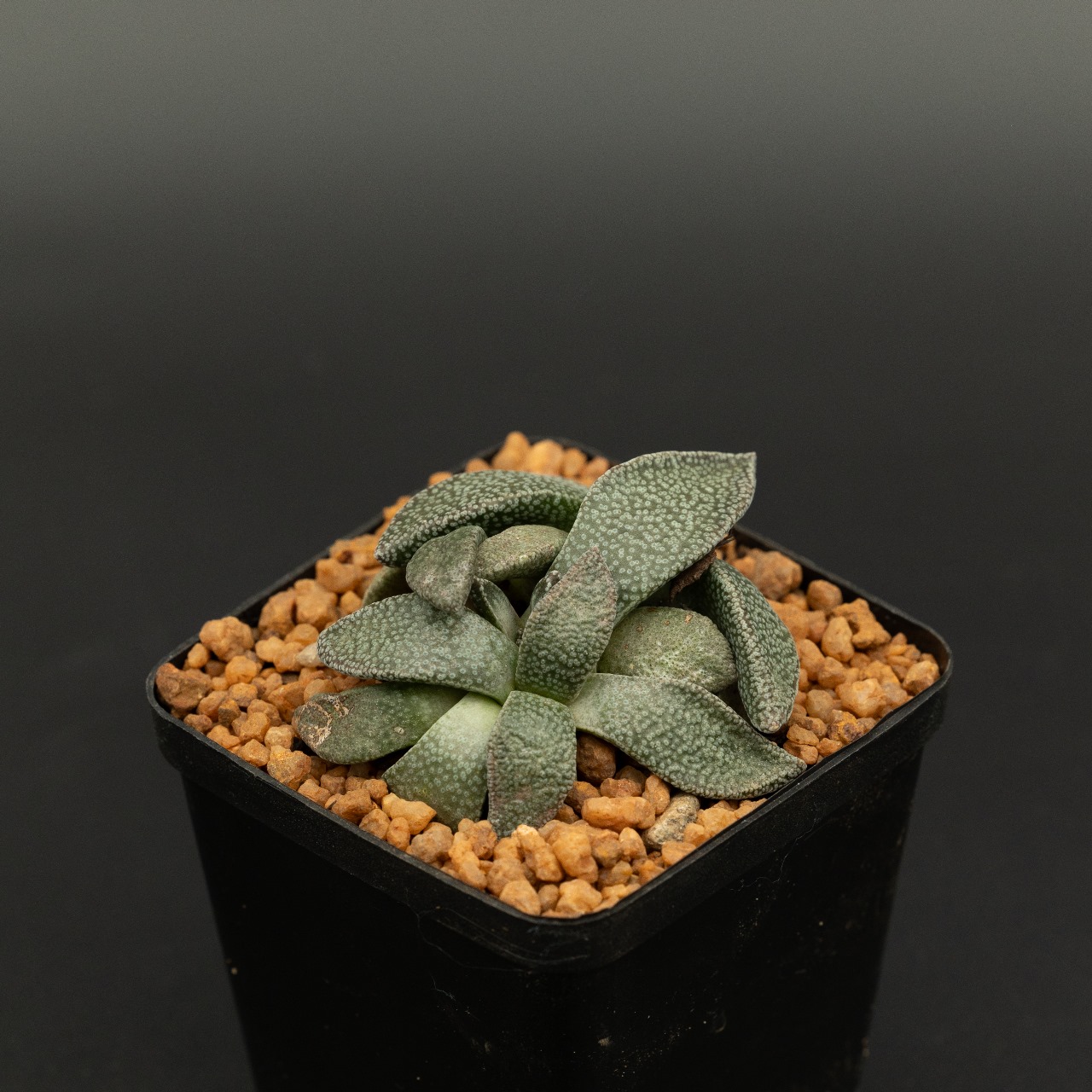
Textured, Warty Leaves: The plant has thick, fleshy leaves with a knobby, textured surface. The leaves are typically gray-green and may develop pinkish or purplish hues under intense sunlight.
During the winter, A. lodewykii produces daisy-like flowers in shades of Yellow, bright pink or purple. These blooms provide a striking contrast to the muted colors of the foliage.
Large Taproot: Like other Aloinopsis species, A. lodewykii has a substantial taproot, allowing it to access deep soil moisture and survive prolonged dry periods.
Native Habitat and Origins
Aloinopsis lodewykii is native to the Northern Cape region of South Africa, where it grows in rocky, sandy soils and barren terrain. This environment is characterized by high temperatures, intense sunlight, and very little rainfall, necessitating the plant’s strong drought tolerance and sun adaptation.
Care Guide for Aloinopsis lodewykii
While hardy, A. lodewykii does best with specific care that mimics its natural habitat:
Soil: Use a well-draining cactus or succulent mix with added grit, such as sand, pumice, or perlite, to prevent root rot.
Watering: Water sparingly, particularly in summer when the plant is dormant. During the winter growing season, water only when the soil is dry.
Light: A. lodewykii prefers bright, indirect sunlight and can handle some direct sun, which enhances the red and purple hues in its leaves.
Temperature: The plant can tolerate light frost, down to around 25°F (-4°C), but prolonged freezing should be avoided.
Fertilization: Use a diluted cactus fertilizer once or twice during the winter growing season to encourage growth and flowering.
A Unique Feature: Exceptional Drought Tolerance
What sets Aloinopsis lodewykii apart is its extraordinary drought tolerance, made possible by its large taproot and water-storing leaves. This unique adaptation allows it to survive in some of the driest conditions, making it exceptionally resilient in drought-prone environments. The plant’s knobby, textured foliage not only gives it a rugged appearance but also offers a natural blend with rocky surroundings, making it both practical and beautiful in xeriscaping or rock garden designs.
Below are some species we are familiar with…