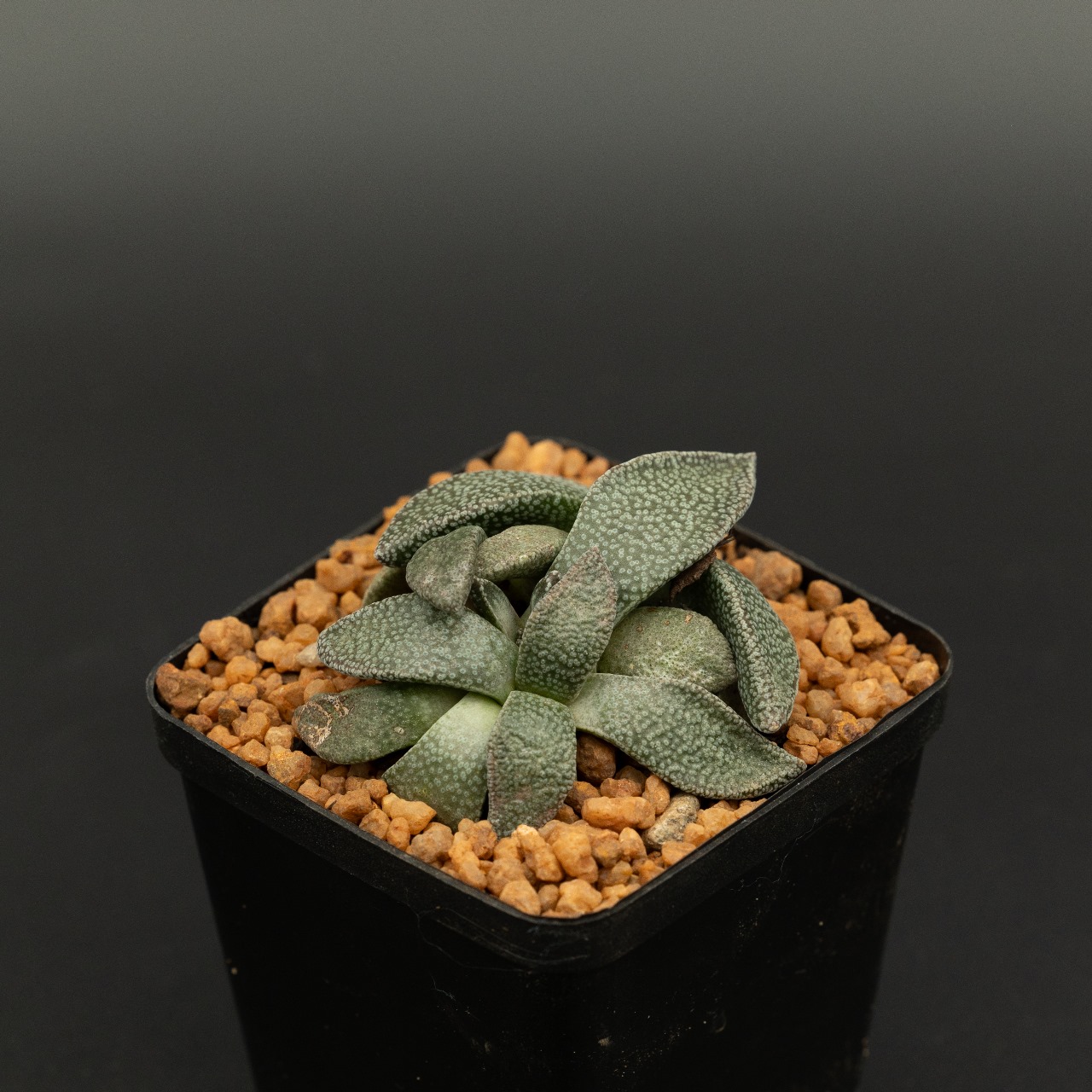
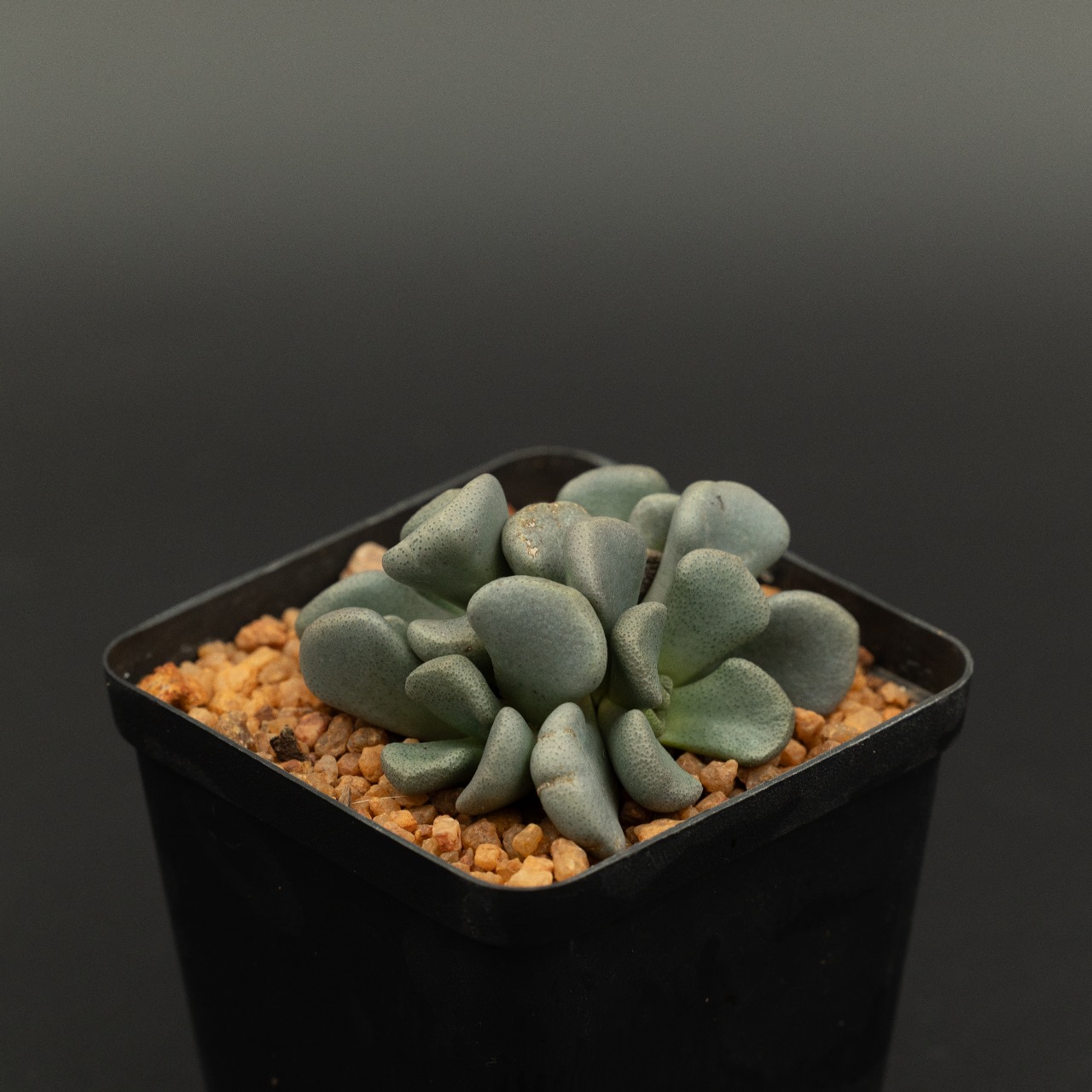
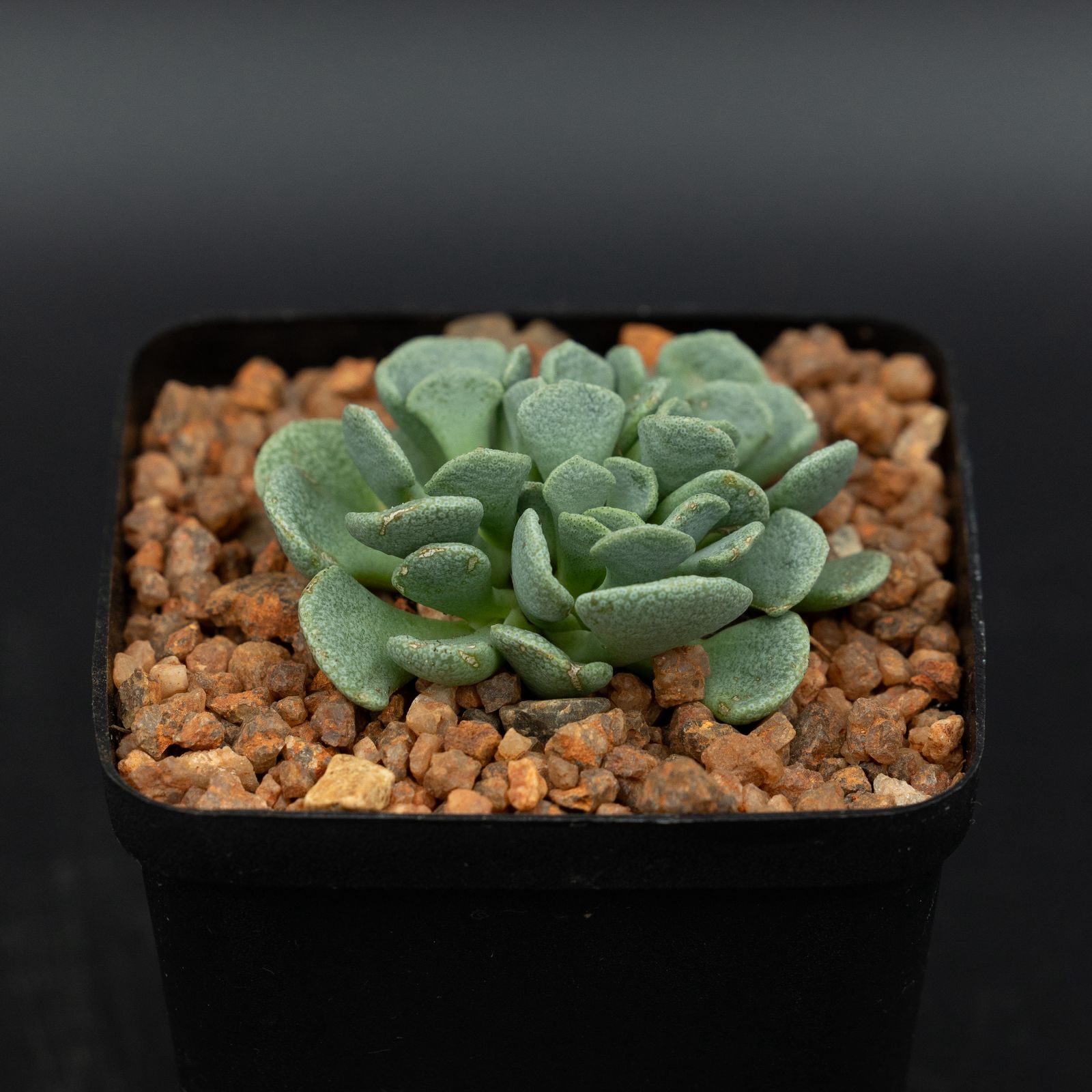
Aloinopsis malherbei
Aloinopsis malherbei – The Jewel of South African Succulents
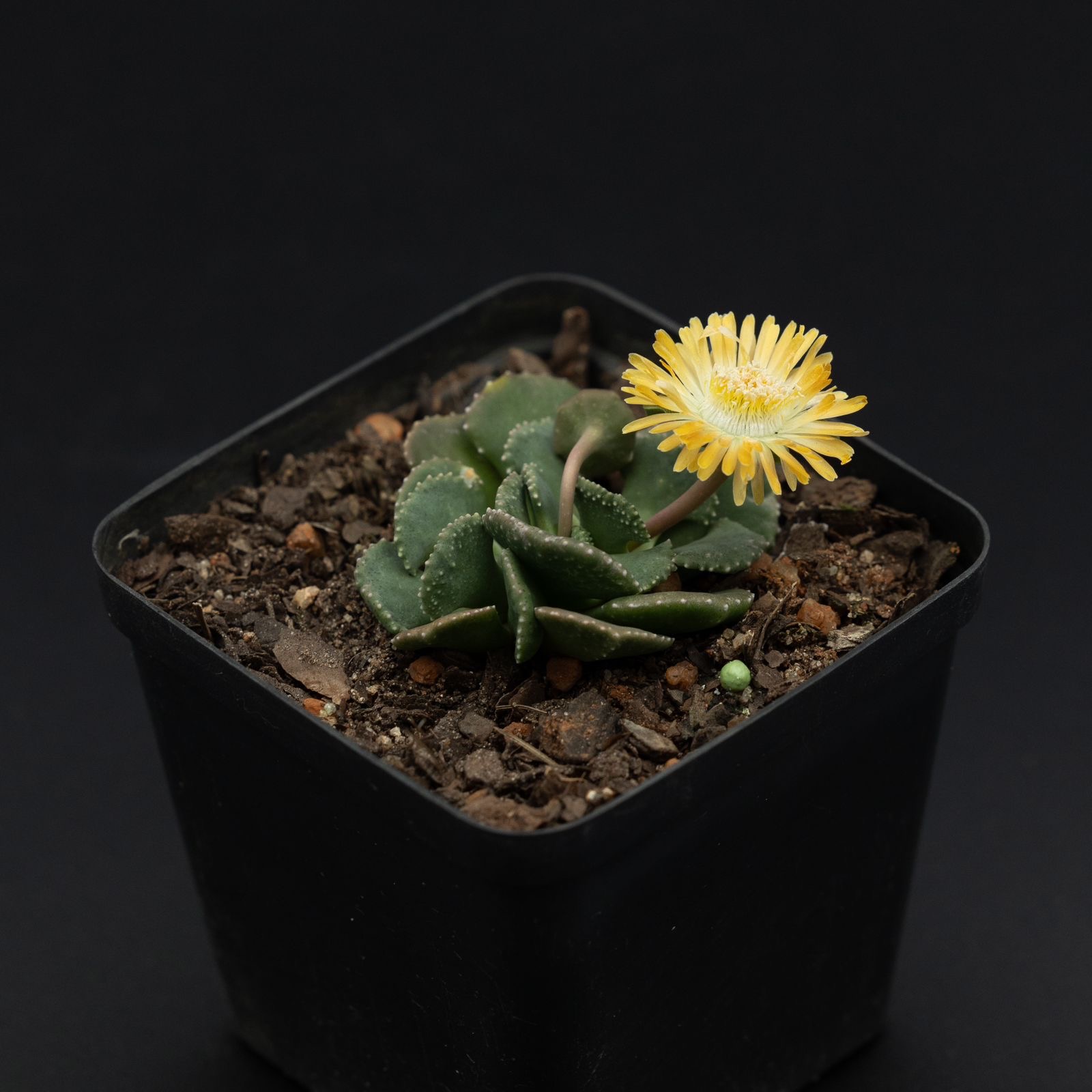
The species Aloinopsis malherbei, part of the Aizoaceae family, is a compact, resilient succulent from the arid landscapes of South Africa. Known for its unique, rock-like appearance and charming flowers, A. malherbei is often grown by succulent enthusiasts who appreciate its subtle beauty and hardy nature. This species’ remarkable adaptation to harsh environments makes it a standout among drought-tolerant plants.
Common Characteristics
Small Rosettes: Aloinopsis malherbei forms tight, low-growing rosettes of thick leaves, typically measuring just a few inches across. This compact size makes it ideal for small gardens or container displays.
Stone-Like Leaves: The plant has thick, warty, and textured leaves that blend well with rocky surroundings. The leaves are generally grayish-green, often taking on hints of purple or pink when exposed to bright sunlight.
Yellow, Daisy-Like Flowers: In the winter, A. malherbei produces cheerful, daisy-like blooms in shades of yellow, sometimes with an orange tint. The flowers stand out beautifully against the plant’s muted foliage.
Taproot System: Like other Aloinopsis species, A. malherbei has a substantial taproot that allows it to access water deep in the soil, ensuring its survival through extended dry periods.
Native Habitat and Origins
Aloinopsis malherbei is native to the rocky regions of South Africa, particularly in the Northern Cape province. Its natural habitat is characterized by a harsh climate with scorching summers, cold winters, and limited rainfall. A. malherbei grows in gravelly soils and rocky crevices, where it can camouflage with its surroundings and access water deep below the surface through its taproot.
Care Guide for Aloinopsis malherbei
Though resilient, A. malherbei requires specific care to thrive:
Soil: A gritty, fast-draining succulent or cactus mix is essential to prevent rot, particularly around the sensitive taproot. Adding perlite or pumice will further improve drainage.
Watering: Water sparingly, especially in summer when the plant may enter a semi-dormant phase. During winter, the growing season, water only when the soil is dry to the touch.
Light: A. malherbei needs bright, indirect sunlight to develop its full coloration. A location with morning sun and afternoon shade works well. Too much direct sunlight can scorch its leaves, while low light can lead to leggy growth.
Temperature: This species can tolerate light frost (down to around 25°F/-4°C), but it is best to protect it from freezing temperatures. A cool, dry environment is ideal in winter.
Fertilization: Use a diluted cactus or succulent fertilizer once or twice during the winter growing season to support healthy blooms and foliage.
A Unique Feature: A Master of Camouflage
One of the most unique features of Aloinopsis malherbei is its remarkable ability to blend into its surroundings. In its native habitat, the stone-like leaves of A. malherbei provide natural camouflage, allowing the plant to evade herbivores by resembling the rocks and gravel around it. This adaptation, combined with its deep taproot, makes A. malherbei a true survivor in its challenging environment. Its resilience and stealth-like appearance add a fascinating element to its character, making it a prized plant among succulent collectors.
Below are some species we are familiar with…