Aloinopsis orpenii
Aloinopsis orpenii – The Sun-Loving Survivor


Aloinopsis orpenii, part of the Aizoaceae family, is a captivating and resilient succulent species known for its low-growing, textured foliage and bright, cheerful flowers. Native to the arid regions of South Africa, A. orpenii is well-adapted to survive in rocky, dry landscapes, making it a popular choice among succulent enthusiasts who appreciate its hardiness and easy-care nature.
Common Characteristics
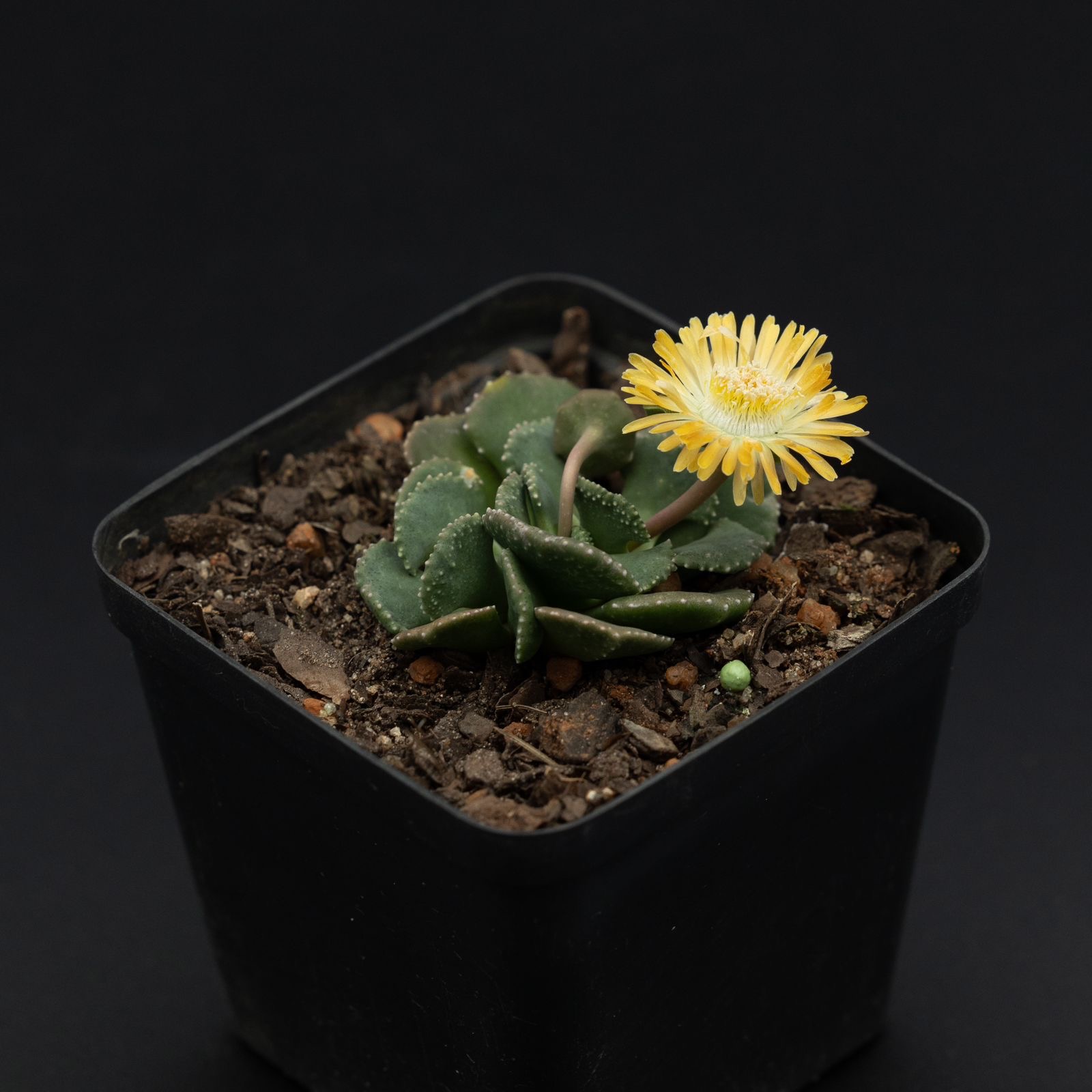
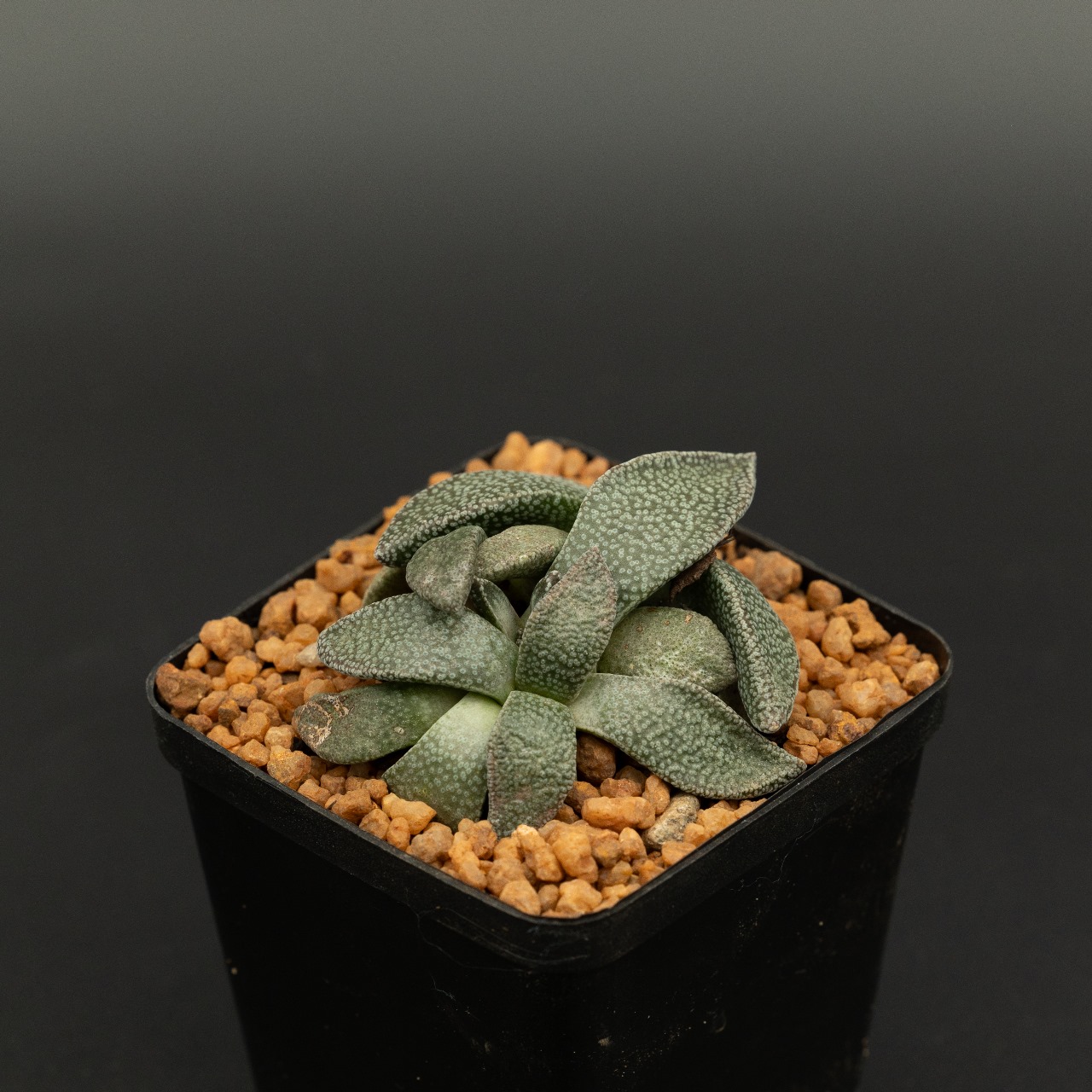
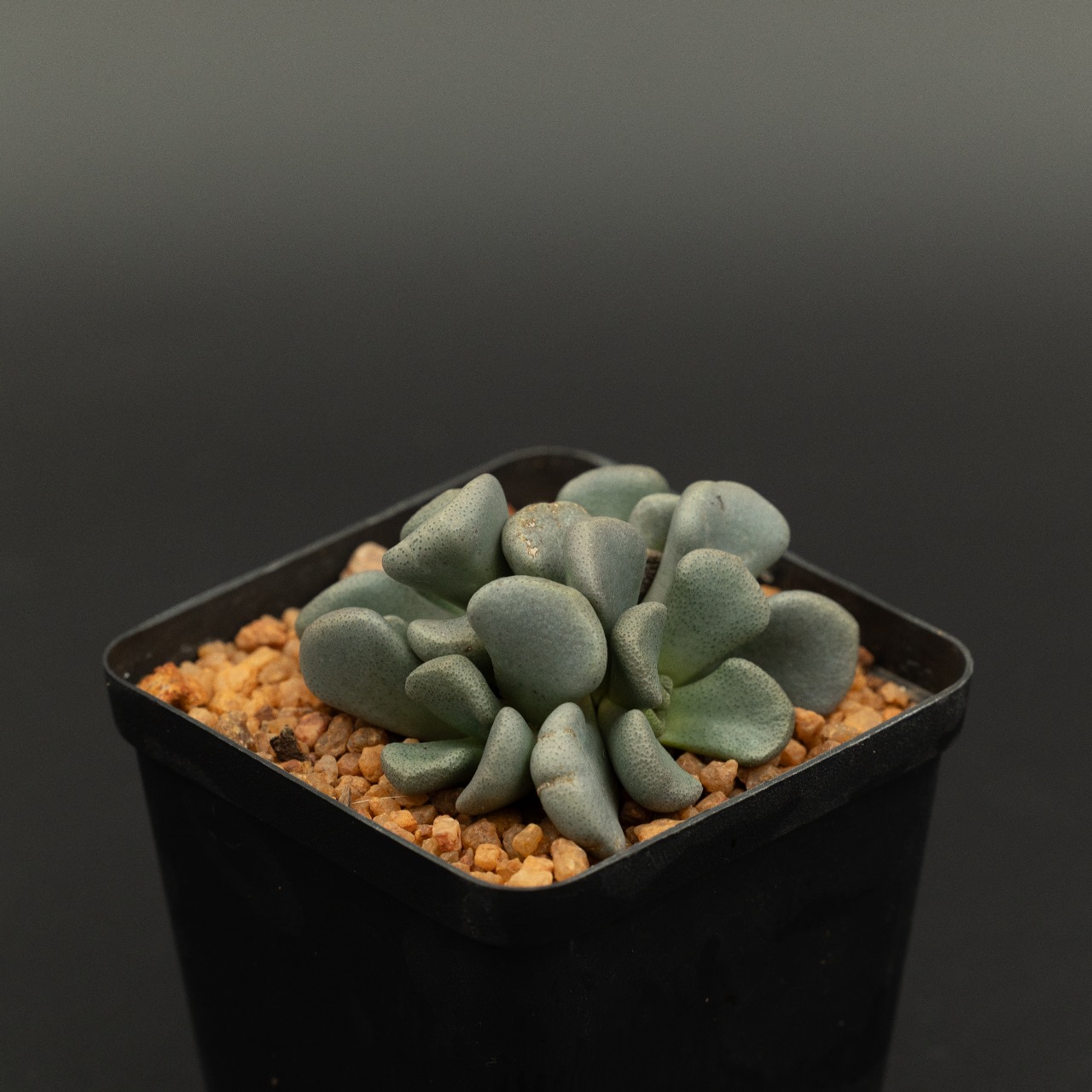
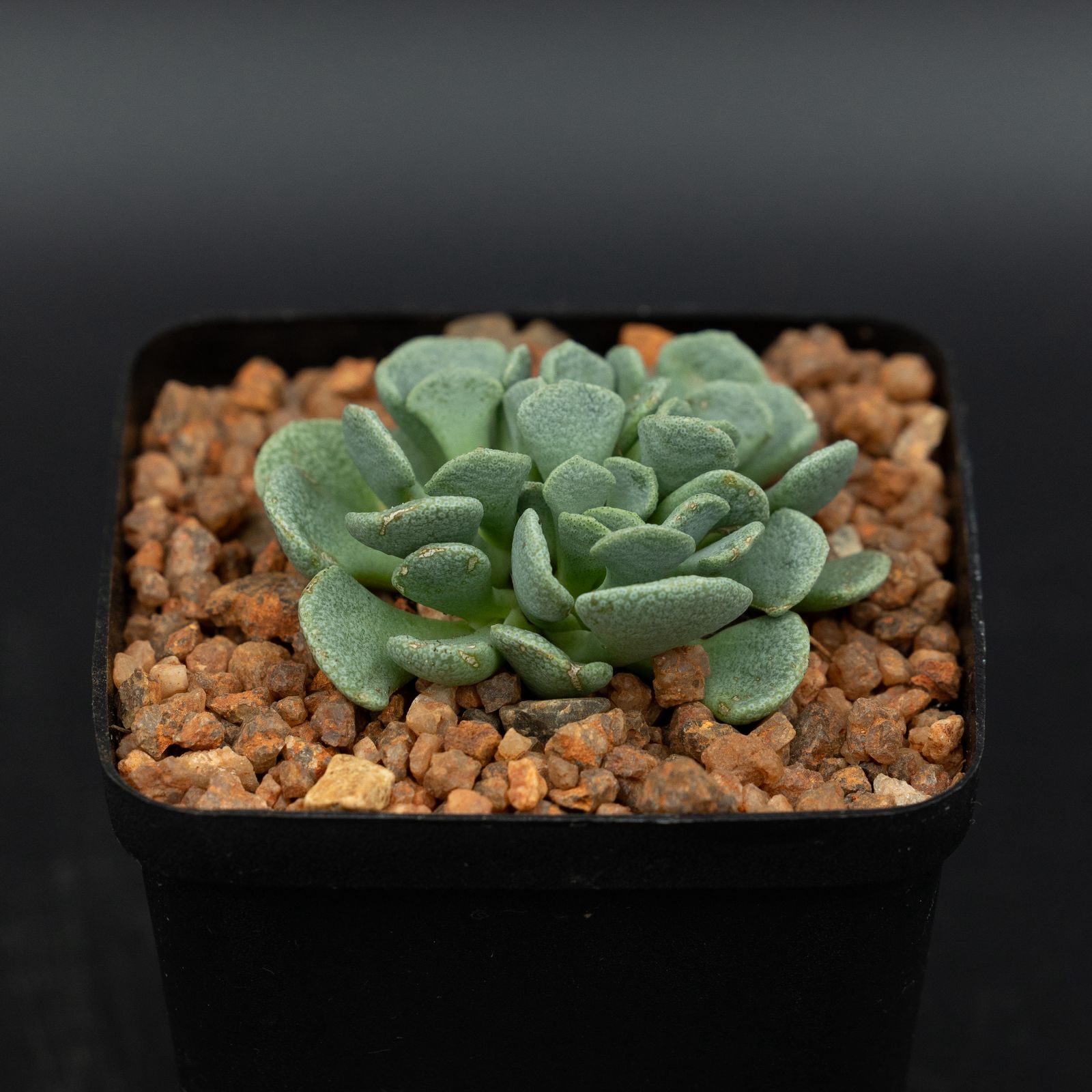
Compact, Rosette-Like Growth: A. orpenii forms low-growing, ground-hugging rosettes that generally reach just a few inches in diameter, giving it a compact, neat appearance.
Fleshy, Textured Leaves: The plant’s thick, fleshy leaves are textured with warty or pebbly surfaces and are usually green, but they can take on shades of purple or red when exposed to bright sunlight.
Golden-Yellow Blooms: A. orpenii is known for its daisy-like, bright yellow flowers that bloom during winter. These vibrant blooms stand out against the muted tones of the plant’s foliage, adding a splash of color to the winter garden.
Taproot System: Like other species in the genus, A. orpenii has a prominent taproot that helps it access deep moisture in arid conditions, allowing it to survive extended dry spells.
Native Habitat and Origins
Aloinopsis orpenii is native to the Northern Cape region of South Africa, an area known for its hot summers, cool winters, and minimal rainfall. This plant thrives in rocky, mountainous landscapes, often growing in crevices and gravelly soils that provide excellent drainage. The ability to blend into its surroundings, along with its deep-reaching taproot, helps it adapt to these challenging conditions.
Care Guide for Aloinopsis orpenii
Despite its resilience, A. orpenii benefits from specific care to thrive in a home environment:
Soil: Use a well-draining cactus or succulent mix with added grit or perlite to improve drainage. This prevents moisture buildup around the roots and reduces the risk of rot.
Watering: Water sparingly, especially during the summer dormant season. During the winter growing season, water only when the soil is completely dry, as this species is adapted to survive on minimal moisture.
Light: A. orpenii does best with bright, indirect light. It can tolerate some direct sun, which helps bring out its purple or red leaf tones, but intense afternoon sunlight should be avoided.
Temperature: This species can tolerate brief, light frost, down to around 25°F (-4°C). Protect it from prolonged cold and keep it in a cool, dry area during winter.
Fertilization: Fertilize lightly with a diluted cactus fertilizer once or twice during the winter growing season to encourage blooming.
A Unique Feature: Leaf Coloration and Adaptability
One of the most fascinating aspects of Aloinopsis orpenii is its ability to change leaf color in response to sunlight. Under bright light, the leaves develop purple or red hues, giving the plant an ever-changing appearance that adds to its visual appeal. This ability to shift colors not only makes A. orpenii visually interesting but also reflects its adaptation to intense sunlight, helping it thrive in its native sun-drenched environment. This colorful transformation, along with its hardy nature, makes A. orpenii a truly remarkable and dynamic addition to any succulent collection.
Below are some species we are familiar with…