
Aizoaceae








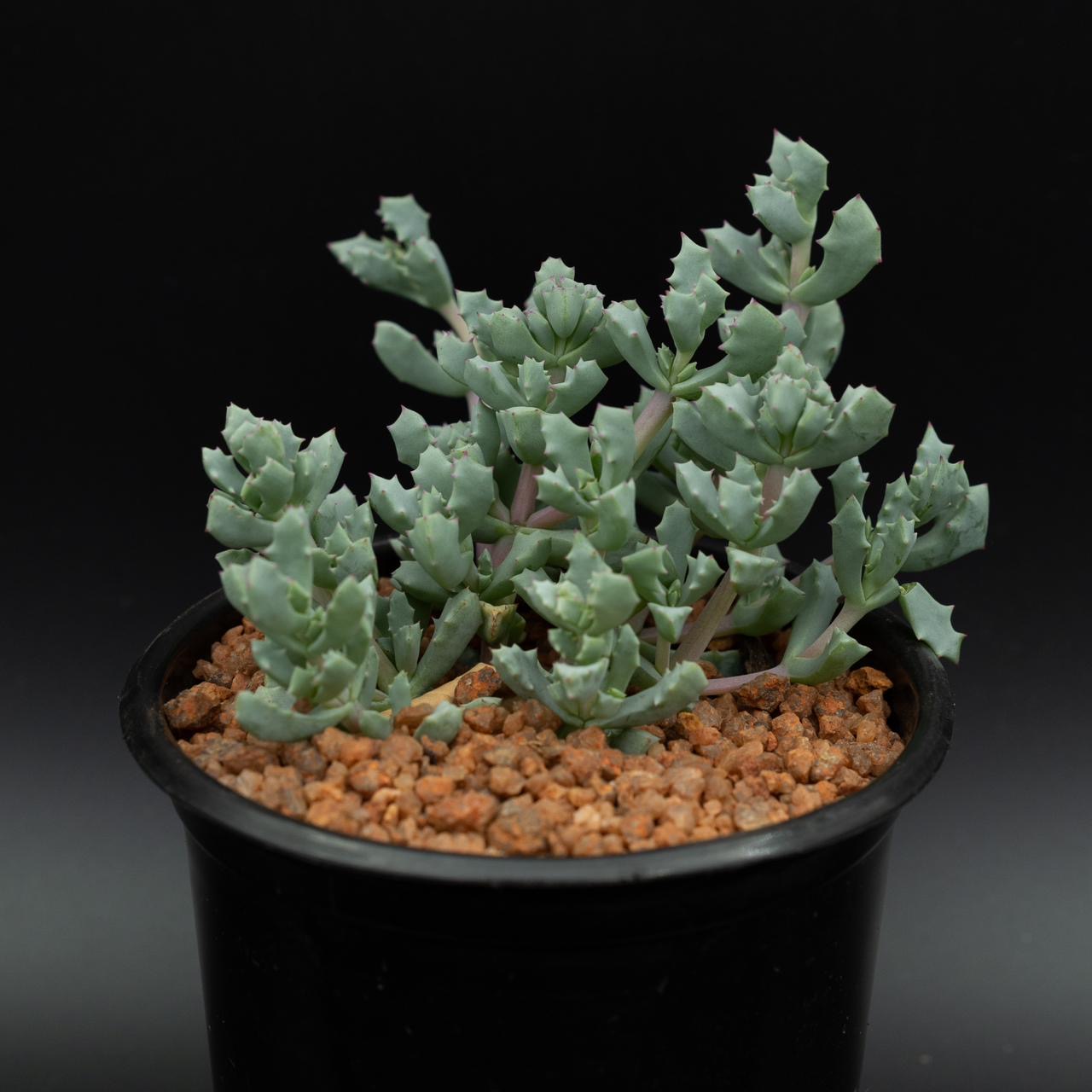


Trichodiadema
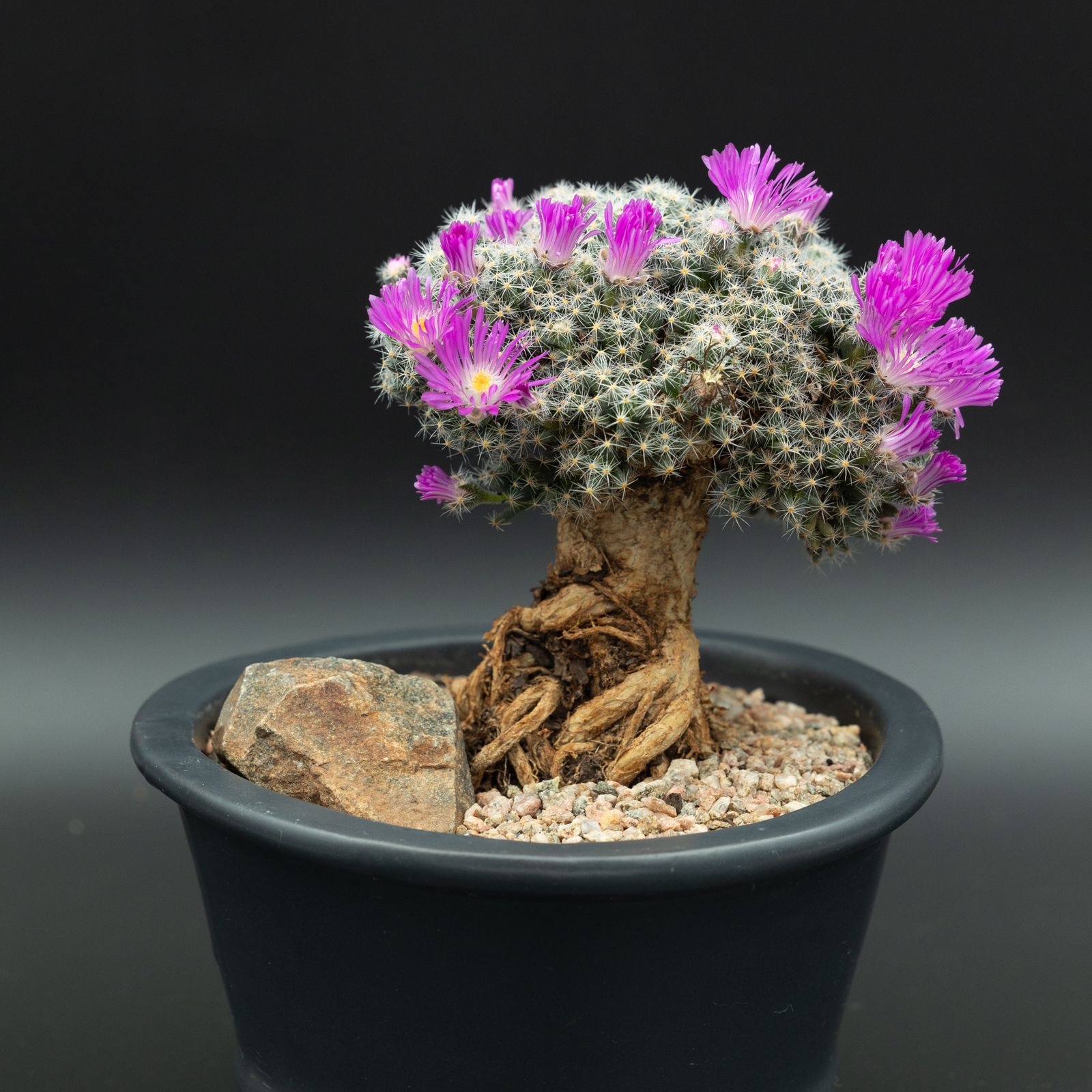
Argyroderma

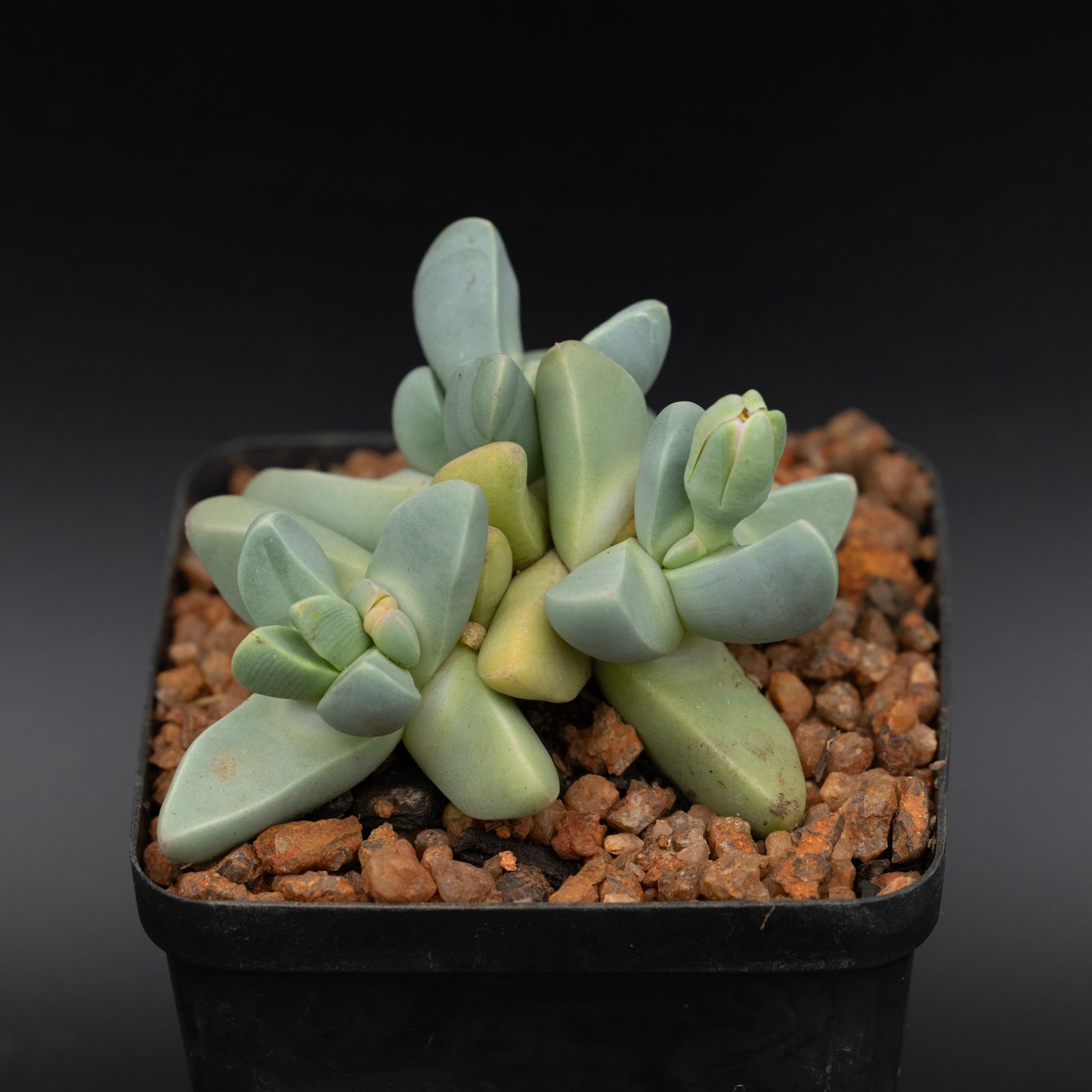
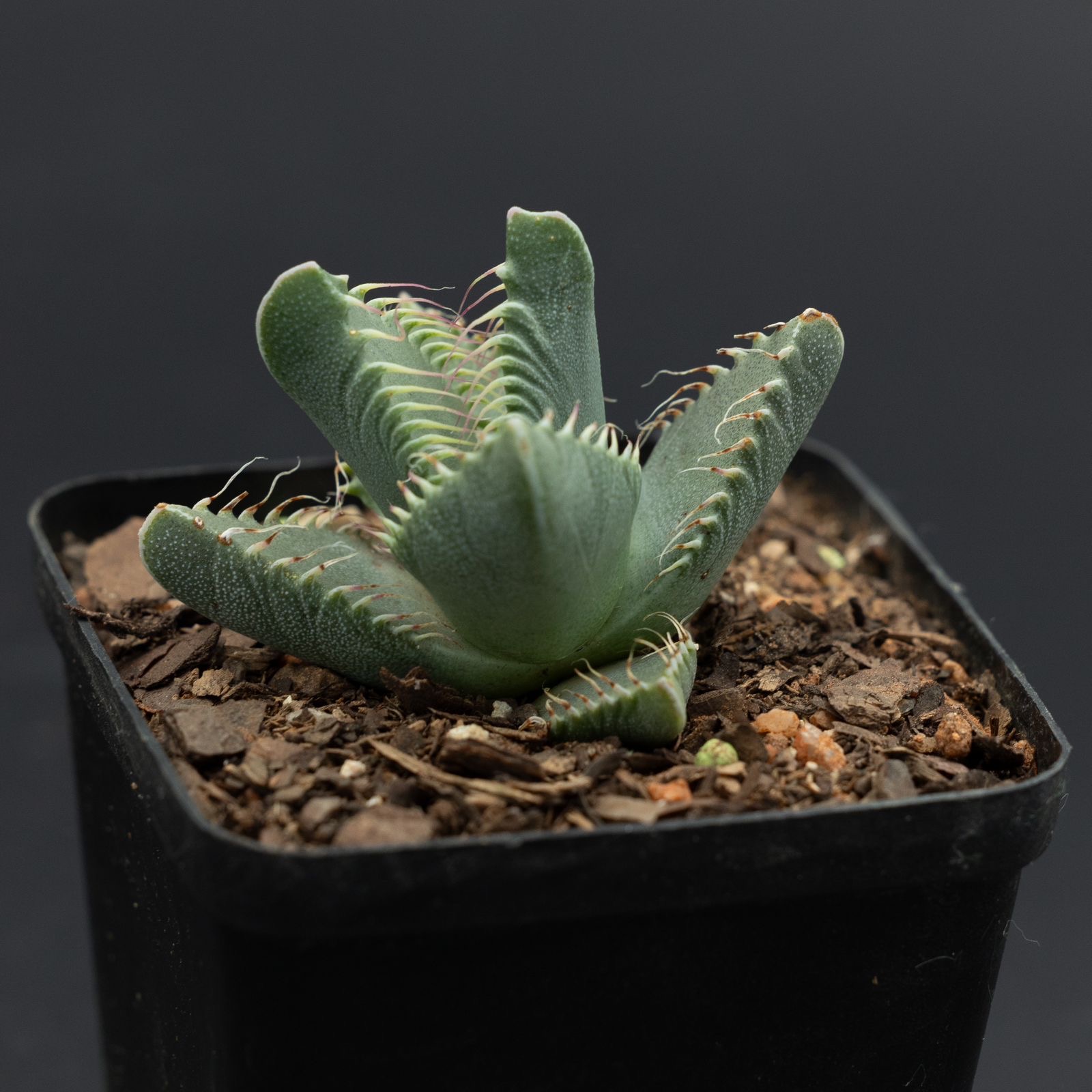
Gibbaeum
Aizoaceae – The Ice Plant Family
The Aizoaceae family, commonly known as the Ice Plant family, includes a vast range of succulent plants adapted to thrive in some of the most extreme environments on Earth. The family comprises over 1,800 species, including genera like Lithops, Conophytum, Delosperma, and Mesembryanthemum, all known for their remarkable drought tolerance and diverse, captivating forms. With unique adaptations for water conservation and sun protection, Aizoaceae plants are popular choices for xeriscaping, rock gardens, and collectors of rare succulents.
Common Characteristics
- Fleshy, Water-Storing Leaves: Aizoaceae species generally have thick, succulent leaves designed to store water, allowing them to survive extended periods without rainfall. These leaves may vary from cylindrical to flat, smooth, or textured.
- Specialized Surface Textures: Many species in this family exhibit unique surface textures, including warts, scales, or “windowed” tissues, which can help minimize water loss and manage intense sunlight.
- Daisy-Like Flowers: The flowers of Aizoaceae plants are typically bright and daisy-like, with colors ranging from yellow and orange to pink and purple. These blooms are often triggered by seasonal changes and can be stunningly profuse.
- Adaptations for Harsh Environments: These plants have developed specialized adaptations, including CAM photosynthesis, which enables them to open their stomata at night instead of during the day, reducing water loss.
Native Habitat and Origins
Aizoaceae plants are primarily native to arid and semi-arid regions of southern Africa, particularly South Africa and Namibia. However, some species can also be found in other parts of Africa, Australia, and the Mediterranean. They thrive in environments characterized by rocky soils, low humidity, and intense sunlight, where rainfall is sporadic and water is scarce.
Care Guide for Aizoaceae Plants
Caring for Aizoaceae plants is relatively easy, provided they are grown in conditions similar to their natural habitats:
- Soil: Use a well-draining, sandy, or gritty soil mix to prevent root rot. A cactus or succulent mix is ideal, often improved with added perlite, pumice, or sand for better drainage.
- Watering: Water sparingly, allowing the soil to dry out completely between waterings. Overwatering can lead to root rot, especially in these drought-tolerant plants. During the growing season (spring and fall for many species), water more frequently but still sparingly. Most Aizoaceae plants go dormant in summer or winter, requiring minimal water during these periods.
- Light: Aizoaceae plants prefer bright, direct sunlight, which helps them maintain their compact shape and vibrant colors. Indoor plants should be placed in the brightest location possible, or under grow lights if natural light is limited.
- Temperature: Many Aizoaceae plants can tolerate cooler temperatures, but they are generally not frost-tolerant. Protect them from freezing by bringing them indoors or providing a frost cover if temperatures dip below 40°F (5°C).
- Fertilization: These plants do not require much fertilizer but can benefit from a light application in the early growing season. A diluted, balanced succulent fertilizer applied once in spring can encourage healthy growth.
A Unique Feature: Adaptation to Mimicry and Camouflage
One of the most fascinating aspects of the Aizoaceae family is its ability to blend into the landscape through mimicry. Genera like Lithops and Conophytum resemble stones or pebbles, allowing them to camouflage and avoid predation in their natural habitats. This mimicry not only serves as protection from herbivores but also helps reduce water loss by minimizing exposure to the harsh desert sun. The remarkable adaptation of Aizoaceae plants to their environments makes them some of the most visually intriguing and resilient succulents in the plant world, and they continue to captivate plant collectors and botanists alike.