
Deilanthe
Deilanthe – the Jewel of Miniature Succulents
The genus Deilanthe, a lesser-known yet charming group within the Aizoaceae family, comprises small, compact succulents that display beautifully textured leaves and petite flowers. Known for their intricate appearance and unique growth habits, Deilanthe species are prized by collectors for their miniature form and resilience in harsh, arid conditions.
Common Characteristics
- Small, Compact Rosettes: Deilanthe plants grow as small, compact rosettes. The leaves are fleshy, triangular, and often textured with tiny tubercles or raised spots, giving them a distinctive, bumpy surface.
- Mottled, Gray-Green Leaves: The leaves are typically gray-green, sometimes with hints of brown or purple, blending seamlessly with their native surroundings and providing a natural camouflage.
- Petite, Bright Flowers: In spring or early autumn, Deilanthe produces small, daisy-like flowers, usually yellow or white, that contrast strikingly against the muted foliage.
- Clumping Growth Habit: Deilanthe species tend to form clumps over time, creating clusters of rosettes that spread slowly and lend a unique appearance to small succulent collections or rock gardens.
Native Habitat and Origins
Deilanthe is native to the arid regions of southern Africa, particularly in South Africa’s Karoo desert. This habitat is characterized by rocky, sandy soils, intense sunlight, and minimal rainfall. As a result, Deilanthe has evolved to conserve water and withstand harsh, drought-prone conditions, thriving in environments where other plants may struggle.
Care Guide for Deilanthe
While Deilanthe has specific needs, it is relatively low-maintenance for those familiar with succulent care:
- Soil: Use a well-draining cactus or succulent mix, with extra sand or pumice to ensure rapid drainage. This reduces the risk of root rot, which Deilanthe is susceptible to.
- Watering: Water sparingly during the growing season (spring and autumn). Allow the soil to dry out completely between waterings, and avoid watering during the winter dormancy period.
- Light: Bright, indirect light is ideal for Deilanthe. Although it can tolerate some direct sunlight, it may become scorched if exposed to intense afternoon sun. Indoors, place it near a south- or east-facing window.
- Temperature: Deilanthe prefers mild to warm temperatures and is sensitive to frost. Protect it from temperatures below 40°F (4°C) by bringing it indoors or providing shelter during cold months.
- Fertilization: Fertilize lightly in the growing season with a diluted, balanced succulent fertilizer. Avoid excessive feeding, as it may affect the plant’s natural compact growth.
A Unique Feature: Camouflage Adaptation
One of the most fascinating aspects of Deilanthe is its natural camouflage. The color and texture of the leaves closely resemble the rocky surfaces of its native habitat, allowing it to blend seamlessly with its surroundings. This camouflage serves as protection from herbivores and helps the plant retain moisture by reducing exposure to intense sunlight. This adaptation, combined with its intricate form, makes Deilanthe a true hidden gem among succulents, providing collectors with a beautiful and resilient addition to their collections.
Below are some species we are familiar with…
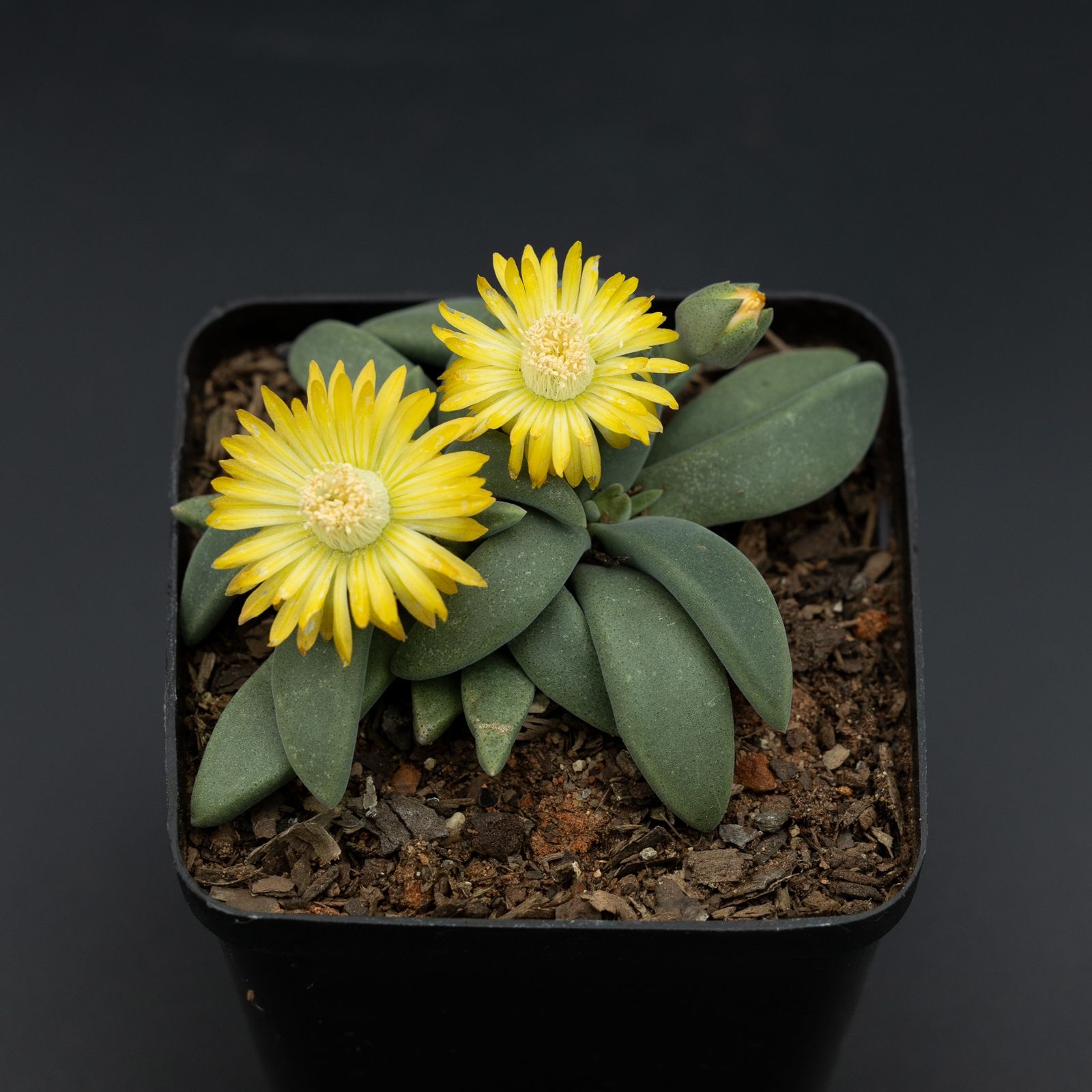
Deilanthe peersii
