
Asparagaceae

Asparagaceae – The Asparagus Family
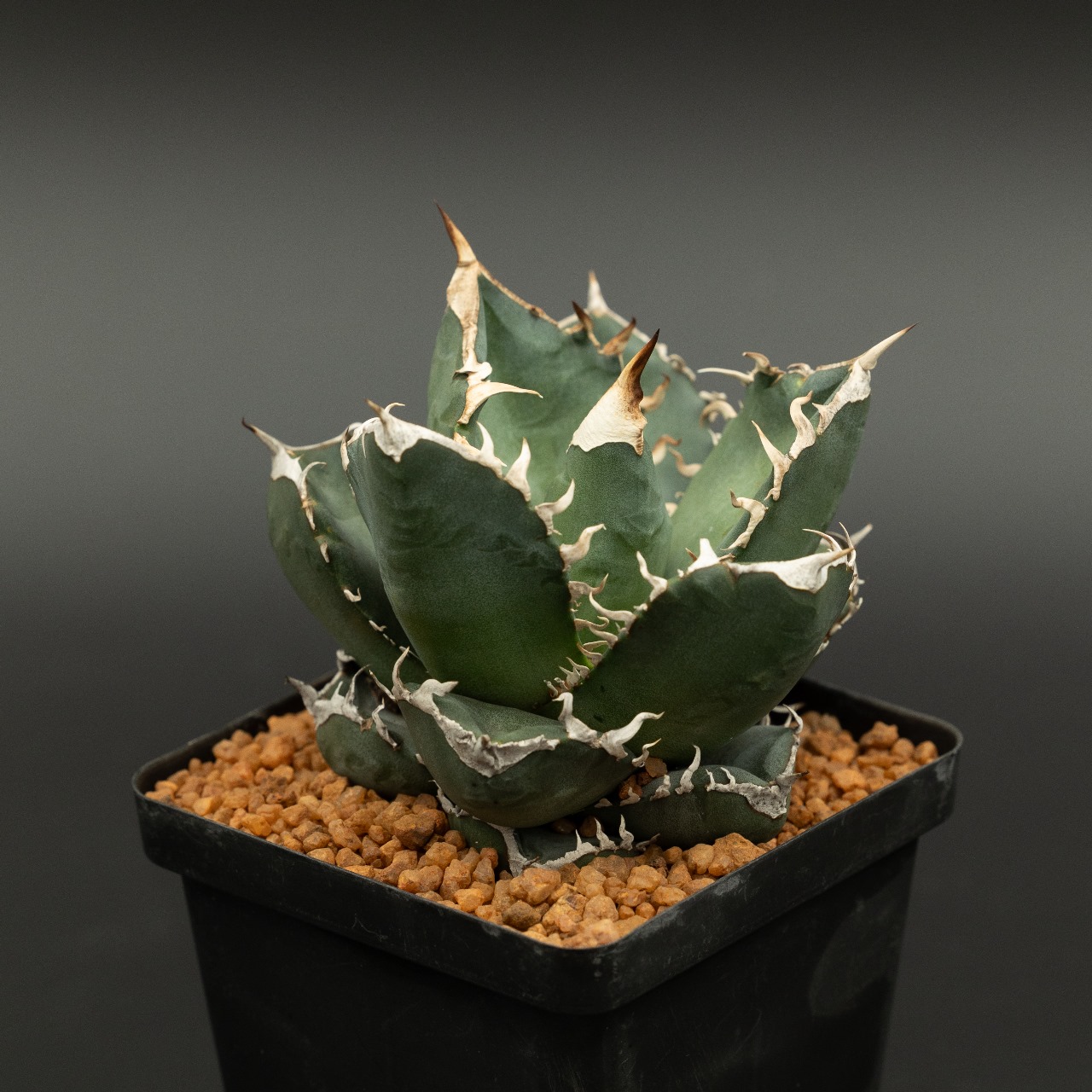
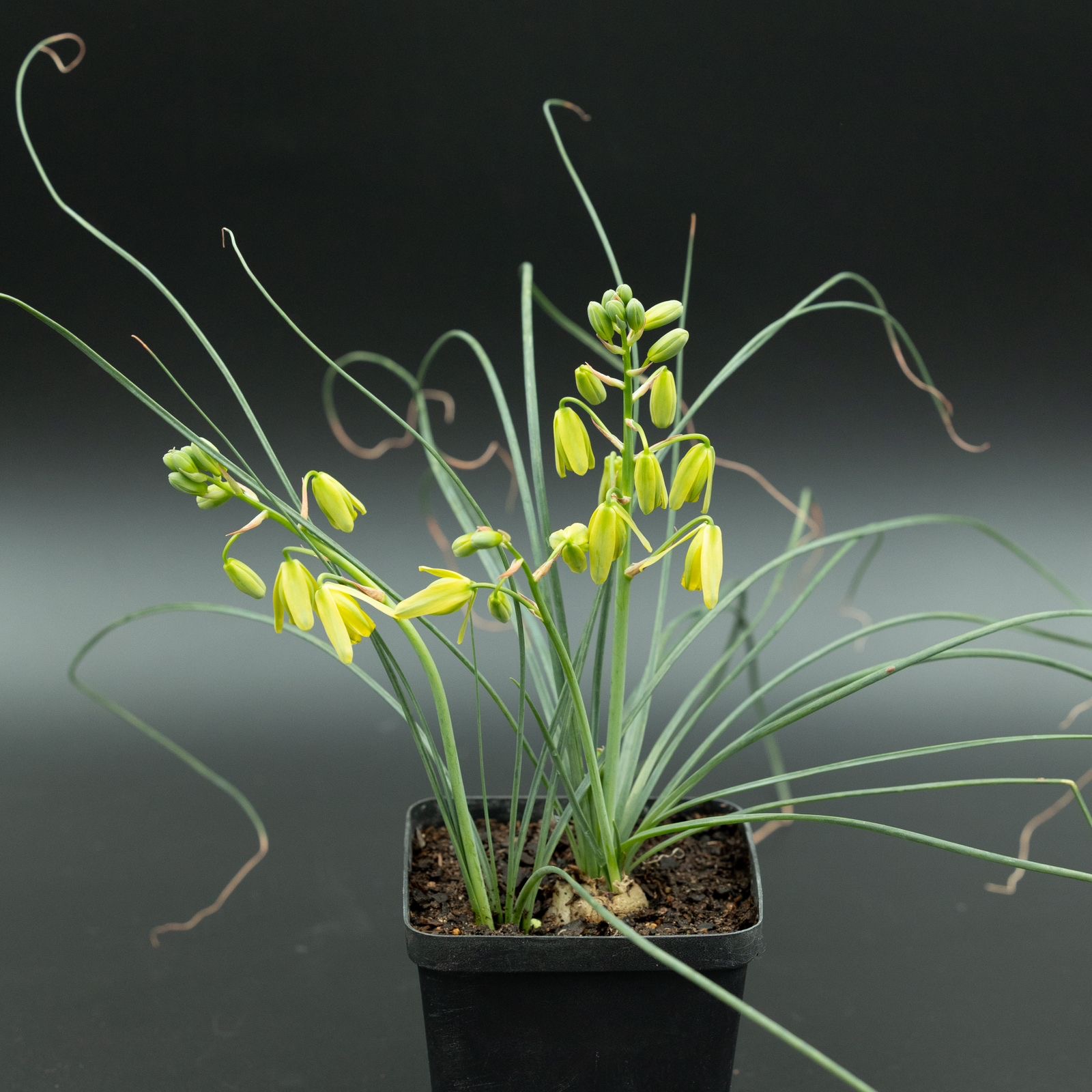
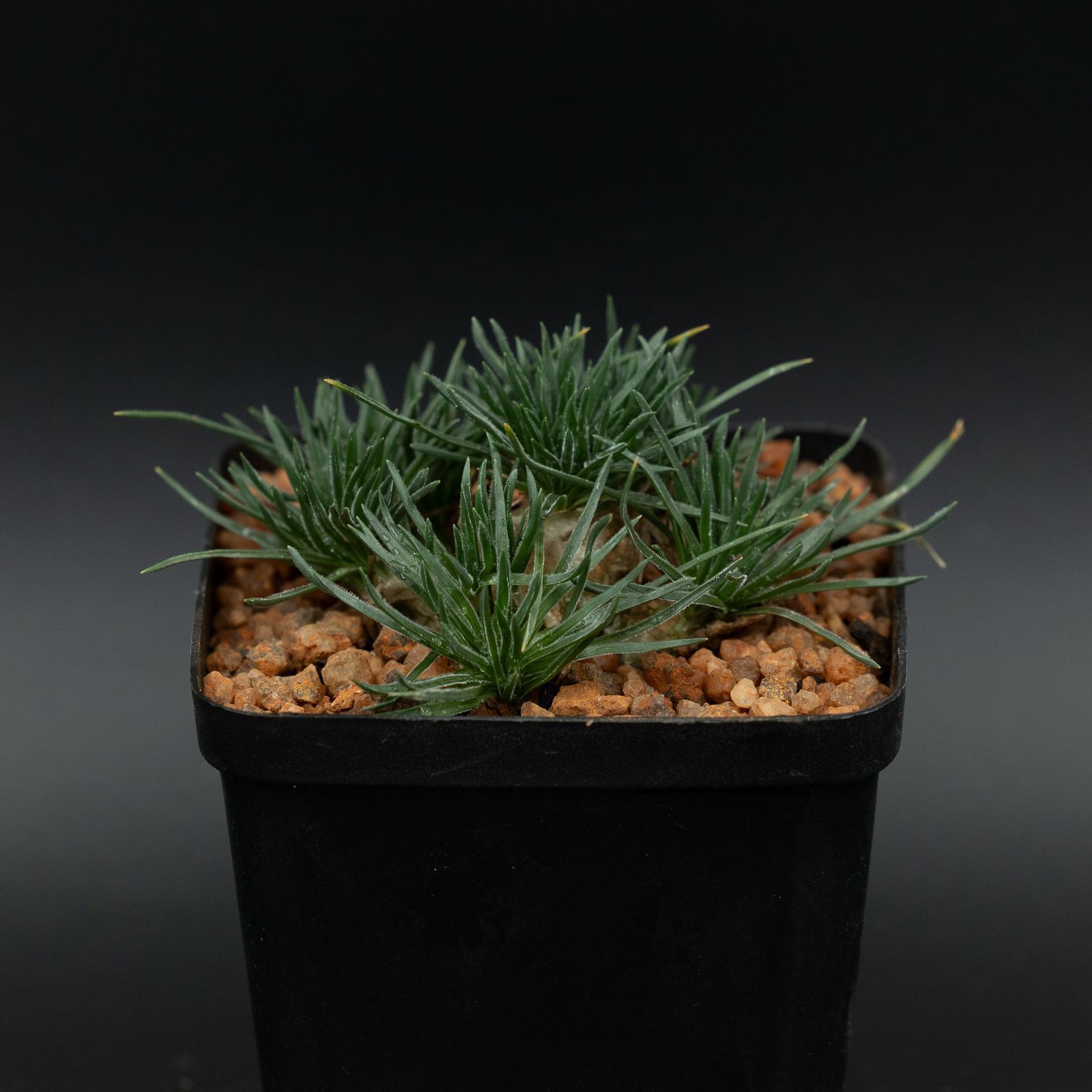
The Asparagaceae family, commonly known as the asparagus family, is a large and diverse family of flowering plants that includes well-known genera such as Asparagus, Agave, Yucca, and Sansevieria. With approximately 114 genera and over 2,500 species, members of this family are highly adaptable and can be found in a variety of habitats, from arid deserts to lush tropical forests.
Common Characteristics
- Growth Forms: Plants in the Asparagaceae family display a wide range of forms, including herbaceous perennials, succulents, shrubs, and even trees. Many are rosette-forming, with thickened leaves or stems that allow them to store water.
- Leaves: Leaf structure varies, with some genera like Agave having thick, fleshy leaves, while others, like Asparagus, have delicate, feathery foliage. In some genera, such as Sansevieria, leaves are stiff and upright, with unique patterns and colors.
- Flowers: Flowers tend to be small and inconspicuous, although some genera produce showy inflorescences, especially Agave and Yucca. The flowers typically have six tepals, are often arranged in clusters, and may be white, greenish, or occasionally colorful.
- Root Structure: Many members of this family have specialized root systems, with tuberous roots or rhizomes that help them endure drought conditions by storing water and nutrients.
Native Habitat and Origins
Asparagaceae plants are native to a wide range of environments, primarily across Africa, Asia, and the Americas. They thrive in diverse habitats, from deserts and dry scrublands to rainforests and woodlands. This versatility allows them to adapt to both arid and tropical climates, depending on the genus and species.
Care Guide for Asparagaceae Plants
Due to their diverse range, care for Asparagaceae plants can vary depending on the specific genus. Here are some general care tips for common types:
- Soil: These plants generally prefer well-draining soil. Succulent members, such as Agave and Sansevieria, benefit from a cactus or succulent mix, while others, like Asparagus fern, do well in a standard potting mix with good drainage.
- Watering: Watering needs depend on the plant’s growth habit. Succulents in this family require infrequent watering and should be allowed to dry out completely between waterings. Non-succulents may need more regular watering, though they should still avoid standing in water to prevent root rot.
- Light: Asparagaceae plants are generally light-loving. Succulent varieties do best in bright, direct light, while others, like Asparagus and Dracaena, prefer indirect light and can tolerate some shade.
- Temperature: Most members of the Asparagaceae family are not frost-tolerant and prefer warm to temperate climates. They generally thrive in temperatures above 50°F (10°C).
- Fertilization: Apply a balanced fertilizer during the growing season for optimal health. Fertilize lightly for succulents, while non-succulents may benefit from more regular feeding to support leaf growth.
Unique Feature: The Long-Lived Agave Bloom
One of the most remarkable characteristics of the Asparagaceae family is the blooming process of certain long-lived species, such as Agave. These plants can take many years—sometimes decades—to bloom. Once they do, they produce a tall, striking flower stalk that can reach up to 30 feet in height in some species. After this spectacular bloom, some species of Agave die, making this flowering event an awe-inspiring, once-in-a-lifetime spectacle. This unique flowering habit symbolizes resilience and endurance, adding a mystical appeal to the family as a whole.