
Agave
Genus Agave – The Century Plant
The genus Agave is a group of succulent plants within the family Asparagaceae, known for their striking rosettes of fleshy leaves and their ability to thrive in arid environments. These plants are highly diverse, with over 200 species found across the Americas. The common characteristics of the Agave genus include:
- Rosette Growth: Agave plants typically grow in a rosette shape, with the leaves arranged in a spiral pattern. These rosettes can range from small to massive, depending on the species.
- Fleshy, Spiny Leaves: The leaves are thick, fleshy, and often pointed, with sharp spines along the edges. The leaves can be gray, green, blue, or variegated, and many have a waxy coating that helps conserve water.
- Tough, Hardy Plants: Agaves are known for their toughness. They are well adapted to survive in harsh, dry environments. Their fleshy leaves store water, allowing them to endure droughts.
- Flowering and Inflorescences: Agave plants usually flower only once in their lifetime, after many years of growth (often 10-30 years, depending on the species). The flowering stalks can reach impressive heights, sometimes over 10 feet (3 meters). After flowering, the plant typically dies, but it produces offsets or “pups” before it dies, ensuring propagation.
- Root System: Agave plants have a fibrous root system that is efficient at absorbing water during rainfall. However, their roots are shallow and can be easily disturbed, which is why they are best grown in well-draining soil.
Native Habitat:
Agave species are native to the hot and arid regions of North and South America, particularly in places like Mexico, the southwestern United States, and parts of Central and South America. They are well-adapted to survive in desert environments with long periods of drought and intense sun. Agave species can be found in rocky soils, grasslands, scrublands, and along mountain slopes.
Care Requirements:
- Light: Agave plants thrive in full sunlight, requiring at least 6 hours of direct sunlight each day. They do best in bright, sunny spots but can also tolerate some partial shade, especially in extremely hot climates.
- Watering: Like many succulents, Agave plants are drought-tolerant and require minimal watering. Allow the soil to dry out completely between waterings. Overwatering can lead to root rot, so it’s essential to ensure that the plant is not sitting in moist soil for extended periods. During the growing season (spring and summer), watering should be more frequent, but in the winter months, reduce watering as the plant enters a dormant phase.
- Soil: Well-draining soil is crucial for Agave plants. A cactus or succulent mix is ideal, or you can create your own by mixing regular potting soil with sand and perlite. The soil should not retain moisture for too long, as the plant’s roots are prone to rot.
- Temperature: Agave plants prefer warm temperatures, typically ranging from 70°F to 90°F (21°C to 32°C) during the growing season. Some species can tolerate cooler temperatures, but most are not frost-hardy. Protect Agave plants from freezing temperatures by bringing them indoors or placing them in a frost-free area during the winter months.
- Humidity: These plants thrive in low-humidity environments, which is why they do well in dry, desert-like conditions. High humidity can encourage fungal growth, so avoid placing them in overly humid spaces.
- Fertilization: Agave plants do not require frequent fertilization. During the growing season, you can feed them with a diluted cactus or succulent fertilizer about once a month. Avoid fertilizing during the winter when the plant is dormant.
- Repotting: Agave plants should only be repotted when their roots outgrow their pot. When repotting, use a container with good drainage, and make sure not to disturb the roots too much. Choose a pot that allows the plant to spread its roots but isn’t too large, as over-potting can cause the plant to become stressed.
Unique Feature:
One of the most unique aspects of Agave plants is their ability to produce a tall, dramatic flowering stalk (or “inflorescence”) after many years of growth. This stalk can grow several feet tall and is covered with small, tubular flowers, which attract pollinators such as bees, bats, and birds. What’s truly fascinating about Agave is that after flowering, the plant typically dies, but not before producing numerous offsets or “pups” at the base, which can be separated and replanted to grow new plants. Additionally, Agave is famously used to produce the alcoholic beverages tequila and mezcal, making it culturally significant in addition to its ornamental appeal. Its leaves are also used in traditional weaving and crafting, making it an incredibly versatile and important plant in many societies.
Below are some species we are familiar with…
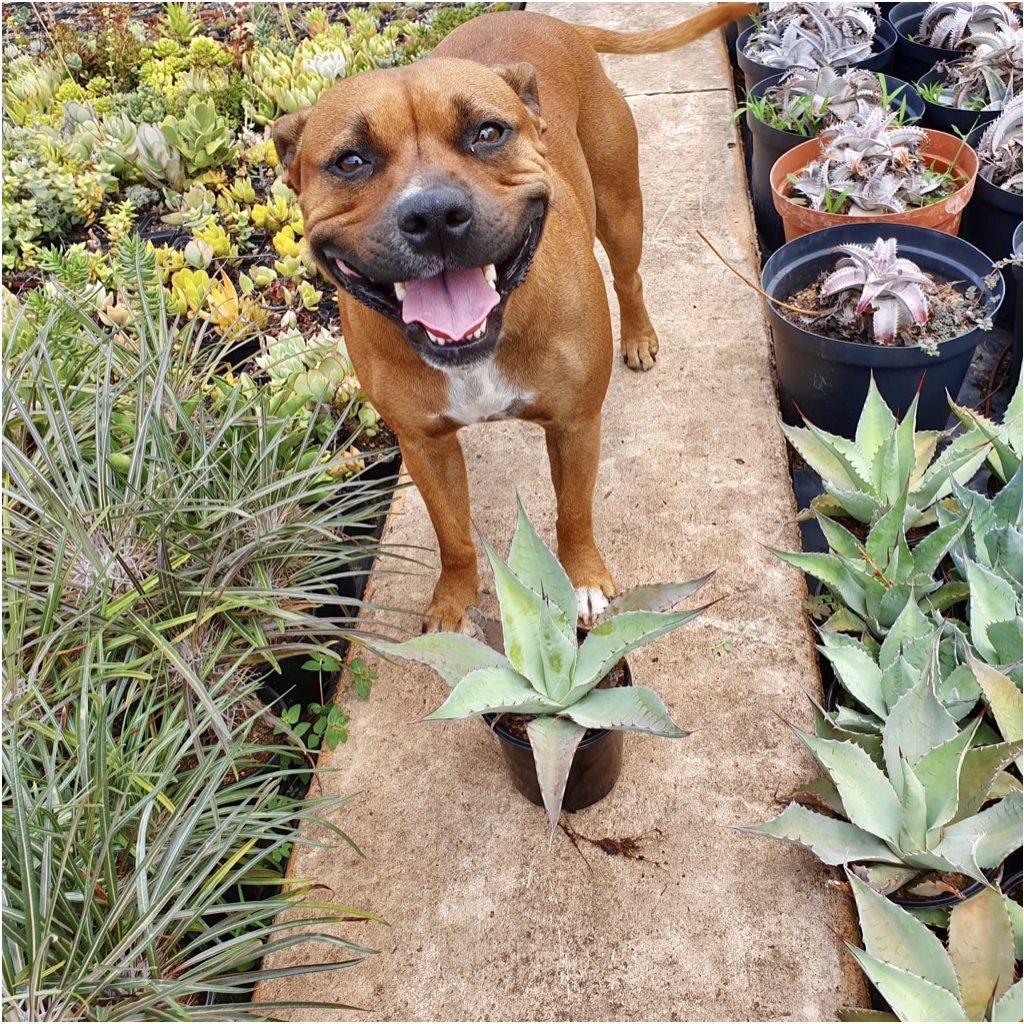
Agave americana mediopicta alba
Agave applanata creme spike
Agave colorata
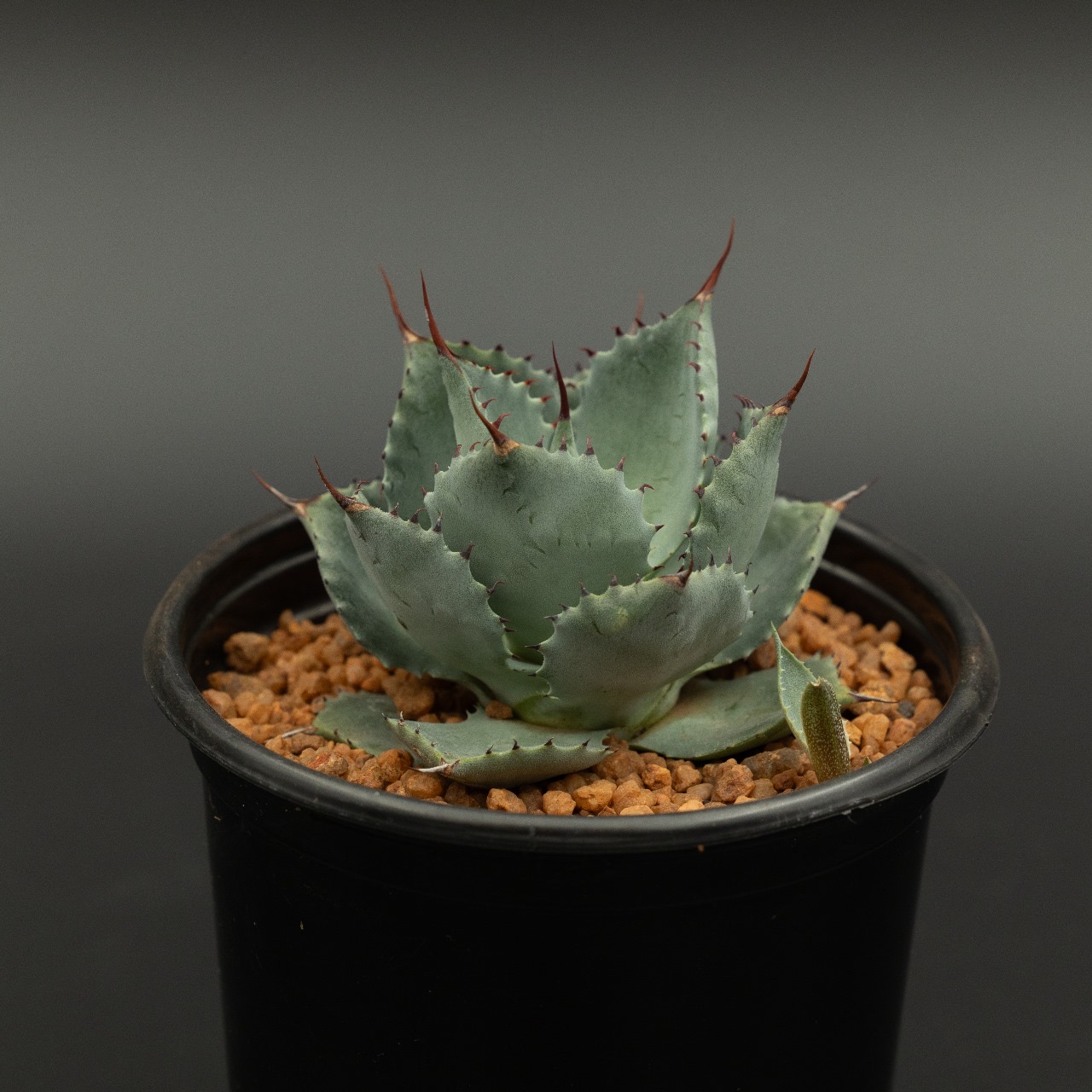
Agave confederate rose
Agave creme brulee
Agave filifera
Agave geminiflora
Agave isthmensis
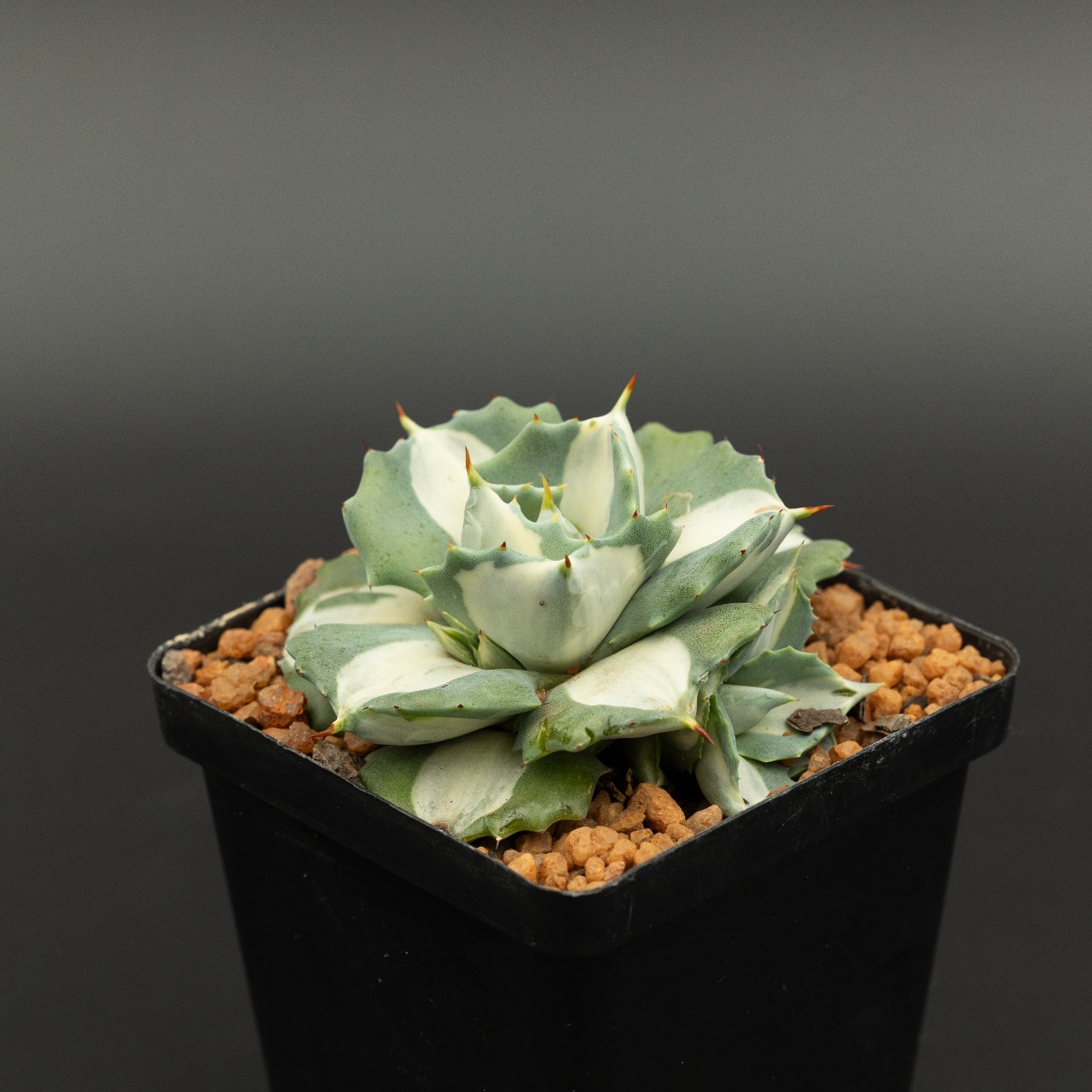
Agave isthmensis variegata
Agave kichiokan
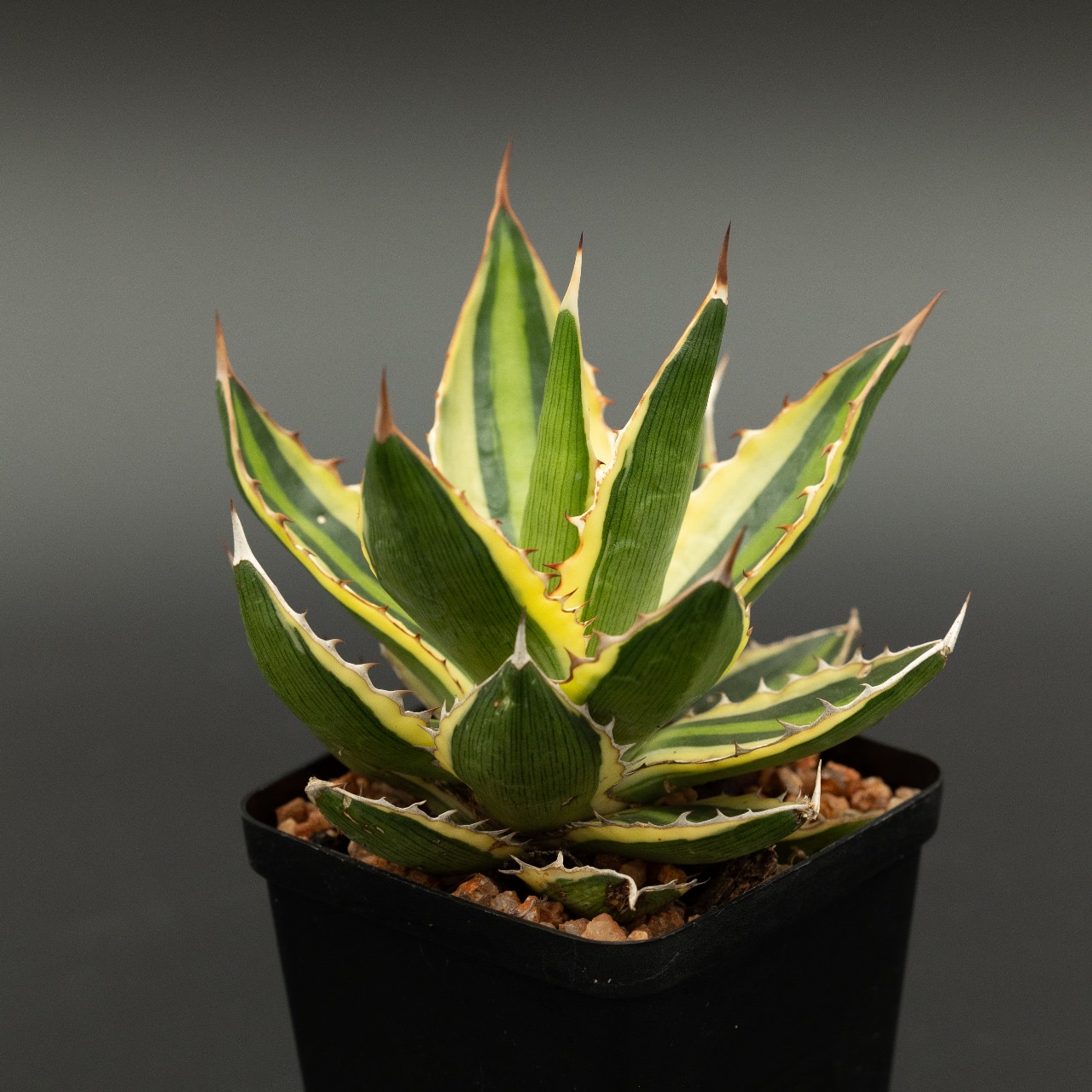
Agave lophantha
Agave ovatifolia
Agave parryi
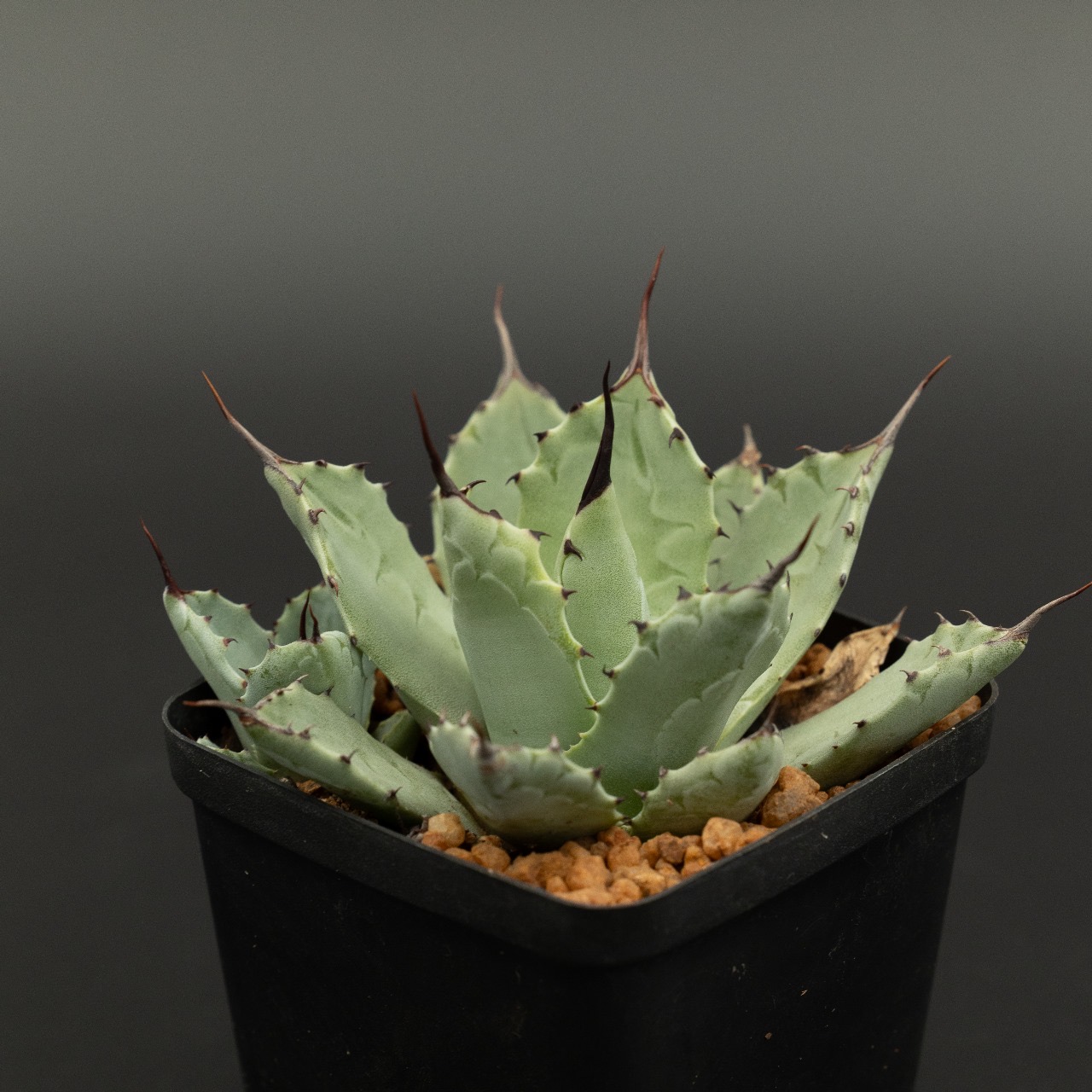
Agave parryi huachucensis
Agave paryi truncata
Agave stricta
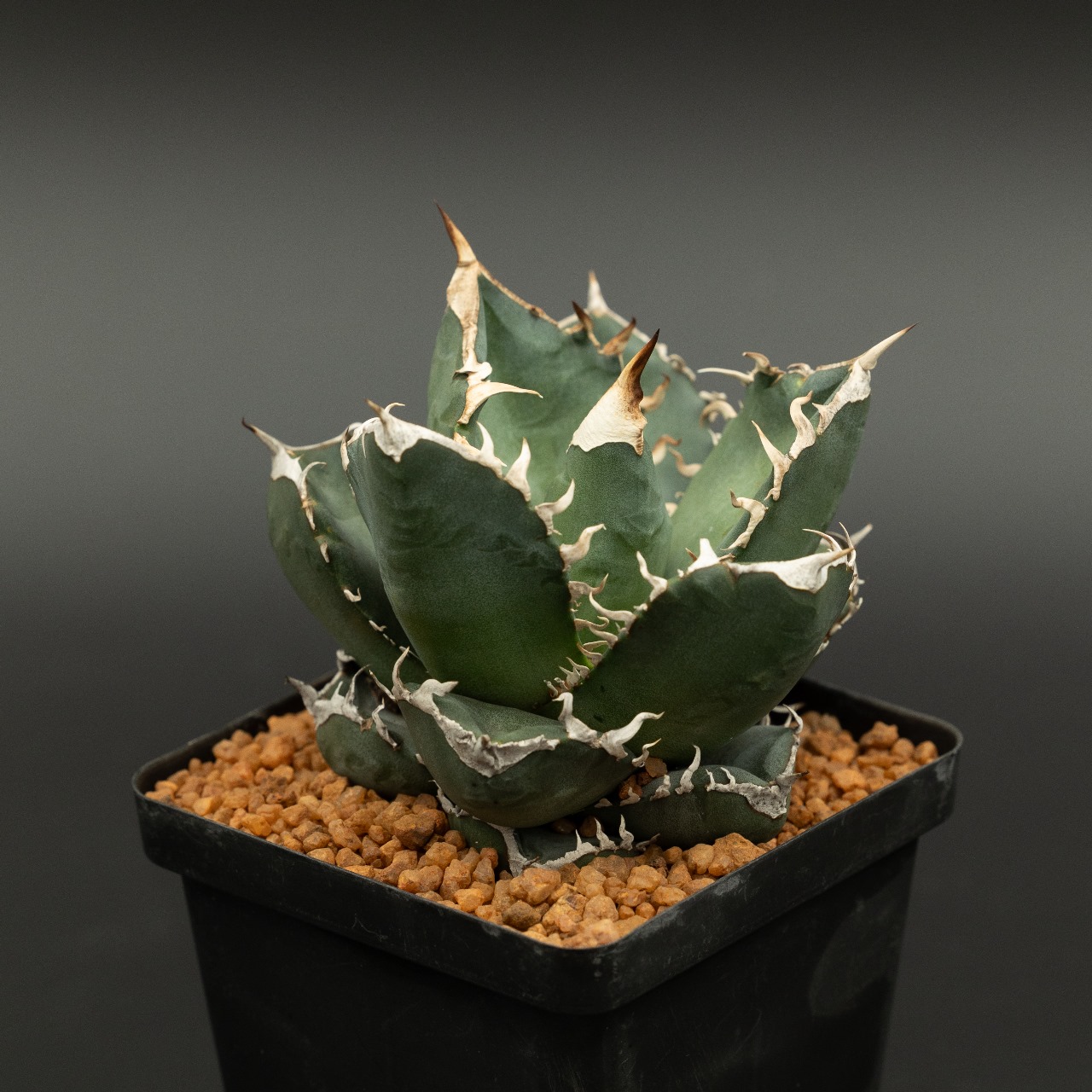
Agave titanota
Agave toumeyana
Agave vilmoriniana
Agave victoriae-reginae
Agave victoriae-reginae picasso
Agave victoriae-reginae snow princess
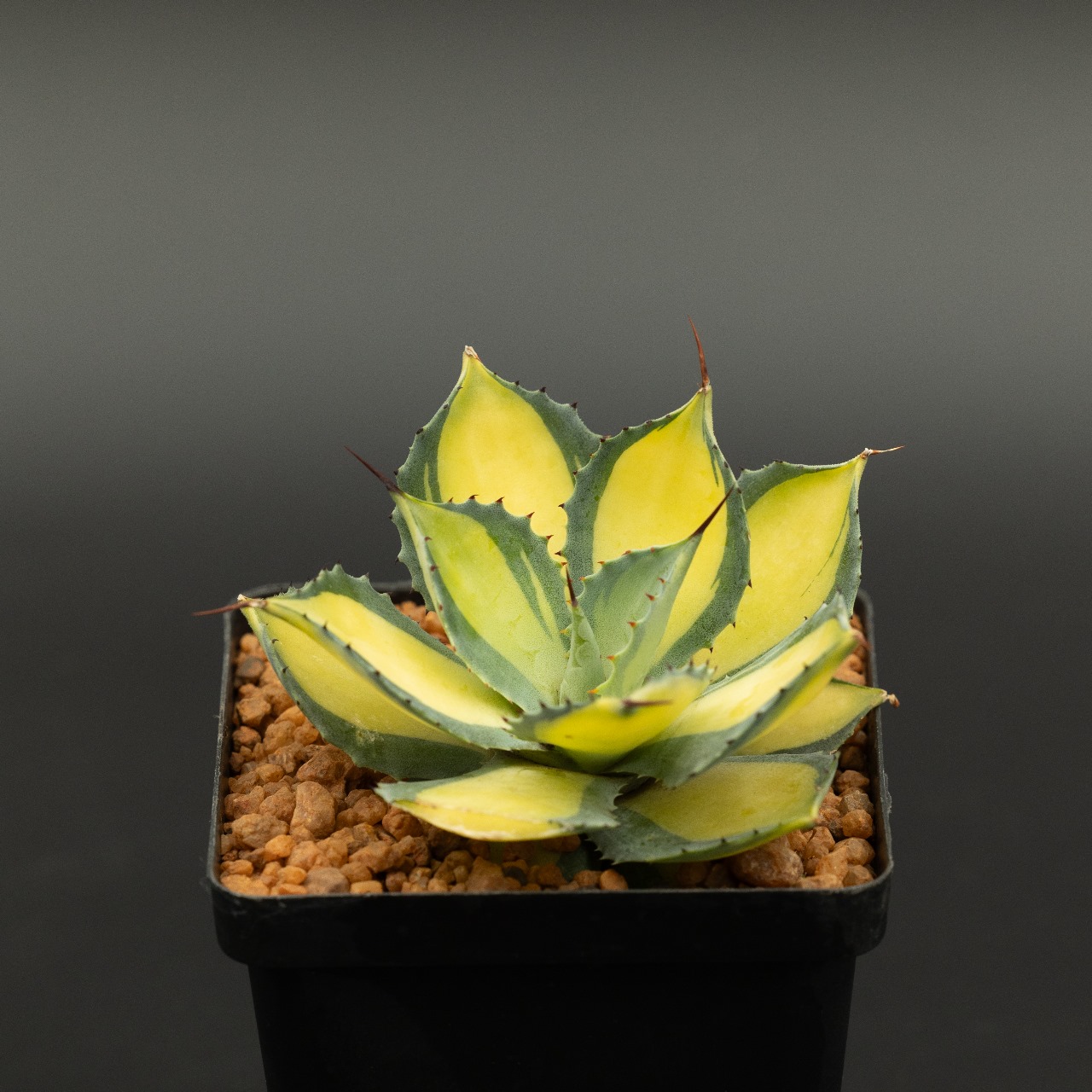
Agave rum runner