
Agave parryi
Agave parryi – Parry’s Agave
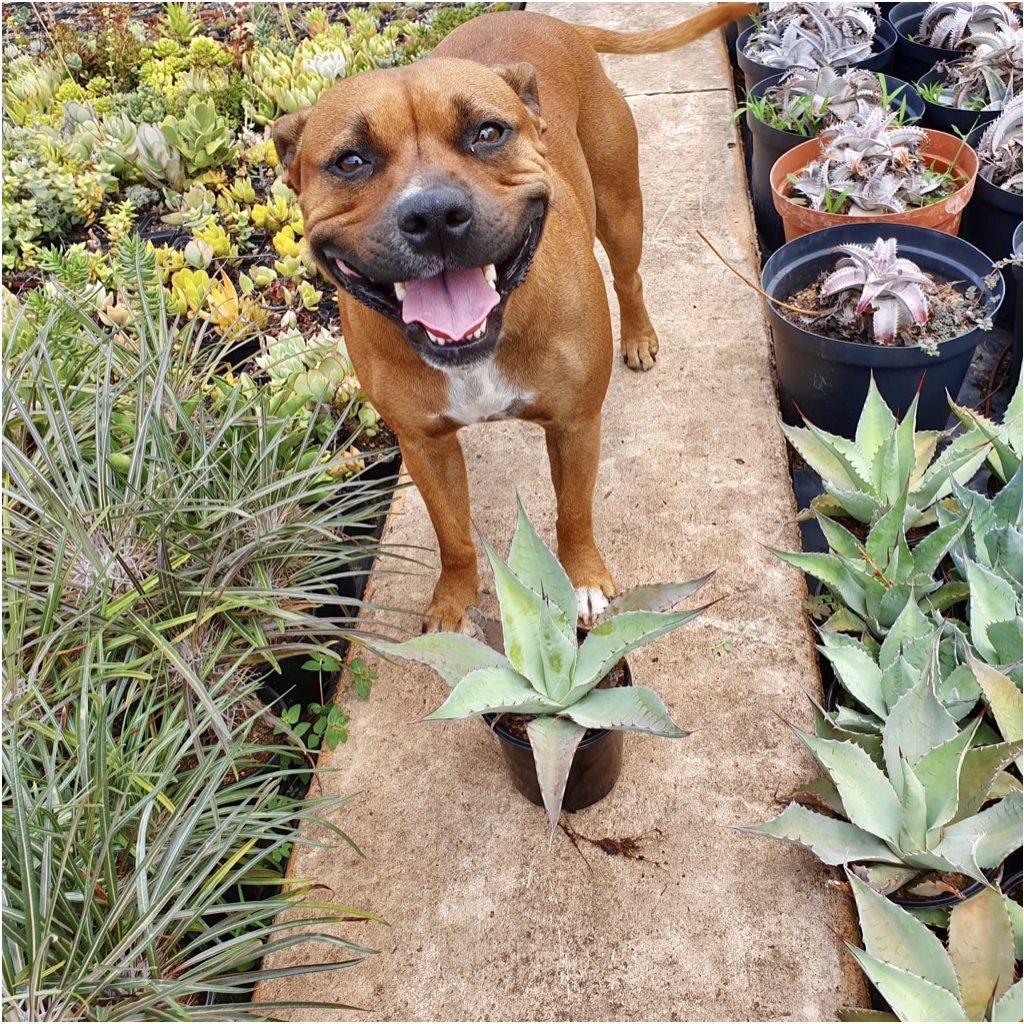
Agave parryi, also known as Parry’s Agave, is a stunning species from the Asparagaceae family, native to the southwestern United States and northern Mexico. This species is highly admired for its striking appearance and ability to thrive in arid environments. It’s a popular choice in xeriscaping and desert gardens due to its drought-tolerant nature and architectural form.
Common Characteristics:
- Size: Agave parryi forms a compact, symmetrical rosette that typically grows up to 2 feet (60 cm) in height and can spread 3 to 4 feet (90 to 120 cm) in diameter. Its size makes it suitable for both small and large gardens.
- Leaves: The plant’s thick, fleshy, and blue-gray to silver leaves are its most distinguishing feature. These leaves are lance-shaped with smooth edges, sometimes armed with small spines along the margins and a sharp terminal spine at the tip. The leaves are often arranged in a spiral pattern, giving the plant a geometric, almost sculptural look.
- Flowering: Agave parryi produces a tall flower stalk that can reach up to 10 feet (3 meters). The flowers are usually yellow or greenish, appearing in late spring or summer. As with other agaves, Agave parryi blooms only once in its lifetime, followed by the death of the plant, though it often produces offsets or pups before flowering, allowing for propagation.
- Offsets: This agave produces offsets at the base, allowing it to propagate and spread over time.
Native Habitat:
Agave parryi is native to the arid regions of the southwestern United States (Arizona, New Mexico) and northern Mexico. It thrives in rocky, well-drained soils and is often found in desert foothills and mountain slopes, typically at elevations ranging from 3,000 to 7,000 feet (900 to 2,100 meters). It is adapted to the dry, hot conditions of the region, with minimal rainfall and extreme temperatures.
Care Instructions:
- Light: This species thrives in full sun and requires at least 6 hours of direct sunlight daily to develop its characteristic coloration and strong form. In regions with intense afternoon heat, some light afternoon shade can help prevent sunburn.
- Watering: Agave parryi is highly drought-tolerant. It requires very little water once established. During the growing season (spring and summer), water deeply but infrequently, allowing the soil to dry out completely between waterings. In the winter months, water sparingly or not at all as the plant enters a dormant phase.
- Soil: Well-drained, sandy, or rocky soil is ideal for this species. A cactus or succulent soil mix is recommended to ensure proper drainage. The plant does not tolerate waterlogged conditions, which can lead to root rot.
- Temperature: Agave parryi is hardy to USDA zones 5-9. It can tolerate temperatures down to 15°F (-9°C) when mature, making it suitable for colder desert climates. In colder areas, it can be grown in containers and moved indoors during freezing weather.
- Fertilization: Agave parryi does not require frequent fertilization. Apply a balanced, low-nitrogen fertilizer once in the spring to support healthy growth during the growing season. Avoid over-fertilizing, as this can lead to weak or leggy growth.
- Pruning: Remove any dead or damaged leaves, especially those that die off after flowering. If the plant produces pups, you can remove them for propagation or to maintain the plant’s shape.
Unique and Special Feature:
Agave parryi is highly regarded for its symmetrical and compact rosette, making it a favorite among collectors and landscapers. Its striking blue-gray color, combined with the sharp spines along the leaf margins, gives it a bold, architectural presence. This agave species is also well-known for its cold hardiness compared to other agaves, making it an excellent choice for gardeners in cooler desert climates.
Fun Fact: Agave parryi is sometimes used to make agave spirits such as mezcal, although it is less common than other agave species like Agave angustifolia or Agave tequilana. The plant’s versatility, from ornamental to utilitarian uses, further enhances its appeal in both gardening and cultural contexts.
In addition to its aesthetic value, Agave parryi serves as a vital part of the ecosystem in its native habitat, supporting local wildlife by providing shelter and attracting pollinators like bees and hummingbirds.
Below are some species we are familiar with…
Agave americana mediopicta alba
Agave applanata creme spike
Agave colorata
Agave confederate rose
Agave creme brulee
Agave filifera
Agave geminiflora
Agave isthmensis
Agave isthmensis variegata
Agave kichiokan
Agave lophantha
Agave ovatifolia
Agave parryi
Agave parryi huachucensis
Agave parryi truncata
Agave stricta
Agave titanota
Agave toumeyana
Agave vilmoriniana
Agave victoriae-reginae
Agave victoriae-reginae picasso
Agave victoriae-reginae snow princess
Agave rum runner