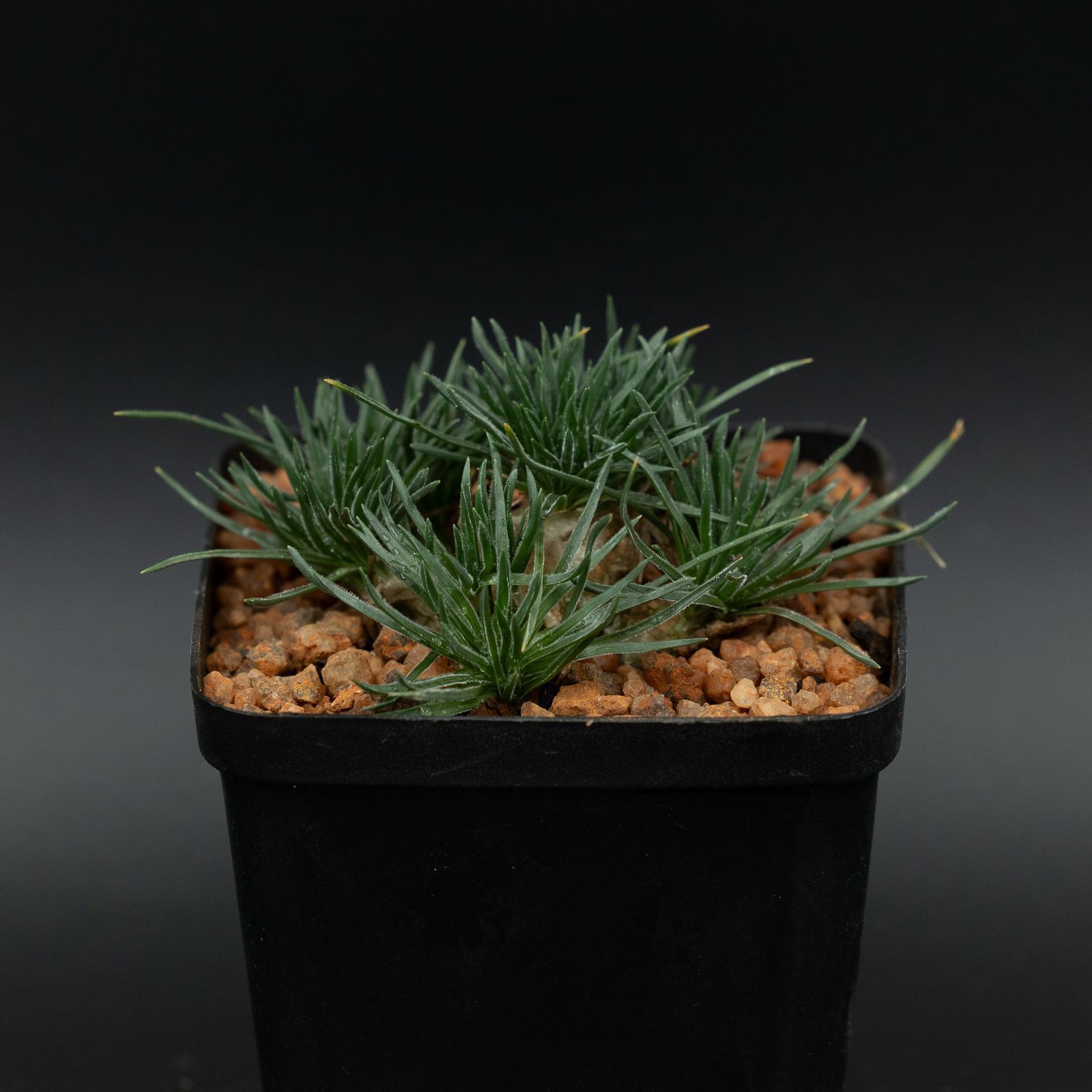
Ornithogalum
Genus Ornithogalum – The Star of Bethlehem
The genus Ornithogalum is a diverse group of bulbous perennials within the Asparagaceae family, commonly known as “star-of-Bethlehem” plants. These plants are recognized for their striking, star-shaped flowers and their graceful, linear foliage. With over 100 species, Ornithogalum plants are found in a variety of shapes and sizes, ranging from small, delicate varieties to larger, more robust species.
Key characteristics of the Ornithogalum genus include:
- Bulbous Growth Habit: Ornithogalum species grow from bulbs that store water and nutrients, which allow them to survive through dry seasons. The bulbs produce long, slender, narrow leaves that emerge in a rosette pattern at the base.
- Flowers: The flowers of Ornithogalum are the genus’s most striking feature. They are typically star-shaped with six petal-like tepals and are often white, although they can also be yellow, orange, or pink, depending on the species. The flowers tend to bloom in clusters or umbels atop tall, erect stems. In many species, the flowers feature dark markings at the center, adding to their beauty.
- Leaf Shape and Texture: The leaves of Ornithogalum species are typically long, narrow, and grassy in appearance, often with a waxy coating that helps conserve water. The foliage may have a somewhat bluish-green or greyish hue, providing contrast to the vibrant flowers.
- Height: Depending on the species, Ornithogalum plants can range in height from 6 inches (15 cm) to over 3 feet (1 meter). The flower spikes can add significant vertical interest to a garden or container.
- Flowering Season: While flowering times vary by species, most Ornithogalum species bloom in spring or early summer. They are prized for their long-lasting flowers, which can last for weeks in favorable conditions.
Native Habitat:
Ornithogalum species are native to a wide range of regions, from the Mediterranean and Europe to parts of Asia and Africa. They are commonly found in rocky, well-drained soils in dry or seasonally arid habitats. Some species are endemic to specific regions, while others have a broader distribution.
These plants are well adapted to regions with distinct wet and dry seasons, where they can store water in their bulbs during dry spells and emerge with lush growth when conditions are more favorable. Ornithogalum species often thrive in open fields, meadows, and woodland edges.
Care Requirements:
- Light: Ornithogalum plants prefer full sun to partial shade, depending on the species. In full sun, they will produce the most vigorous growth and abundant flowers. However, some species can tolerate lighter shade, especially in areas with hotter climates where they might benefit from some protection from intense midday sun.
- Watering: These plants are drought-tolerant once established but prefer regular watering during their growing season. Water them deeply, but ensure the soil drains well to prevent root rot. During their dormant period (usually in late fall and winter), reduce watering significantly and allow the soil to dry out completely.
- Soil: Ornithogalum prefers well-draining soil, ideally slightly sandy or loamy with good aeration. If grown in containers, use a potting mix designed for bulbs or cacti to ensure good drainage. In the garden, you can improve drainage by adding sand or grit to the soil.
- Temperature: Most Ornithogalum species thrive in moderate temperatures ranging from 60°F to 75°F (15°C to 24°C) during the growing season. They are hardy in USDA zones 5 to 9, though hardiness varies by species. Some species can tolerate colder climates, while others prefer warmer temperatures.
- Humidity: Ornithogalum prefers moderate humidity and should not be placed in excessively humid environments. They do well in the average humidity found in most homes and gardens but should be kept in well-ventilated areas to prevent fungal diseases.
- Fertilization: While not heavy feeders, Ornithogalum plants can benefit from occasional feeding during their growing season. A balanced, diluted liquid fertilizer applied once a month can encourage healthy foliage and more abundant flowers. Avoid fertilizing during their dormant phase.
- Repotting: Repotting is generally only necessary when the bulbs outgrow their container. When growing in the ground, Ornithogalum is usually left undisturbed after planting. If desired, the bulbs can be divided every few years to encourage more robust growth or to propagate the plant.
Unique Feature:
One of the most unique and special aspects of Ornithogalum is its flower shape and pattern. The star-shaped blooms, often with contrasting dark centers, make them stand out in gardens and flower arrangements. The flowers have an elegant simplicity that adds to their charm, and in some species, the flowers are fragrant, attracting pollinators such as bees and butterflies.
In addition, Ornithogalum is often appreciated for its ability to naturalize in gardens, spreading and multiplying over time. Its bulbous nature allows it to thrive in areas where other plants might struggle, especially in dry, rocky, or well-drained soils. Some species, like Ornithogalum umbellatum, are also known as “star-of-Bethlehem,” giving them symbolic and historical significance in various cultures.
Below are some species we are familiar with…
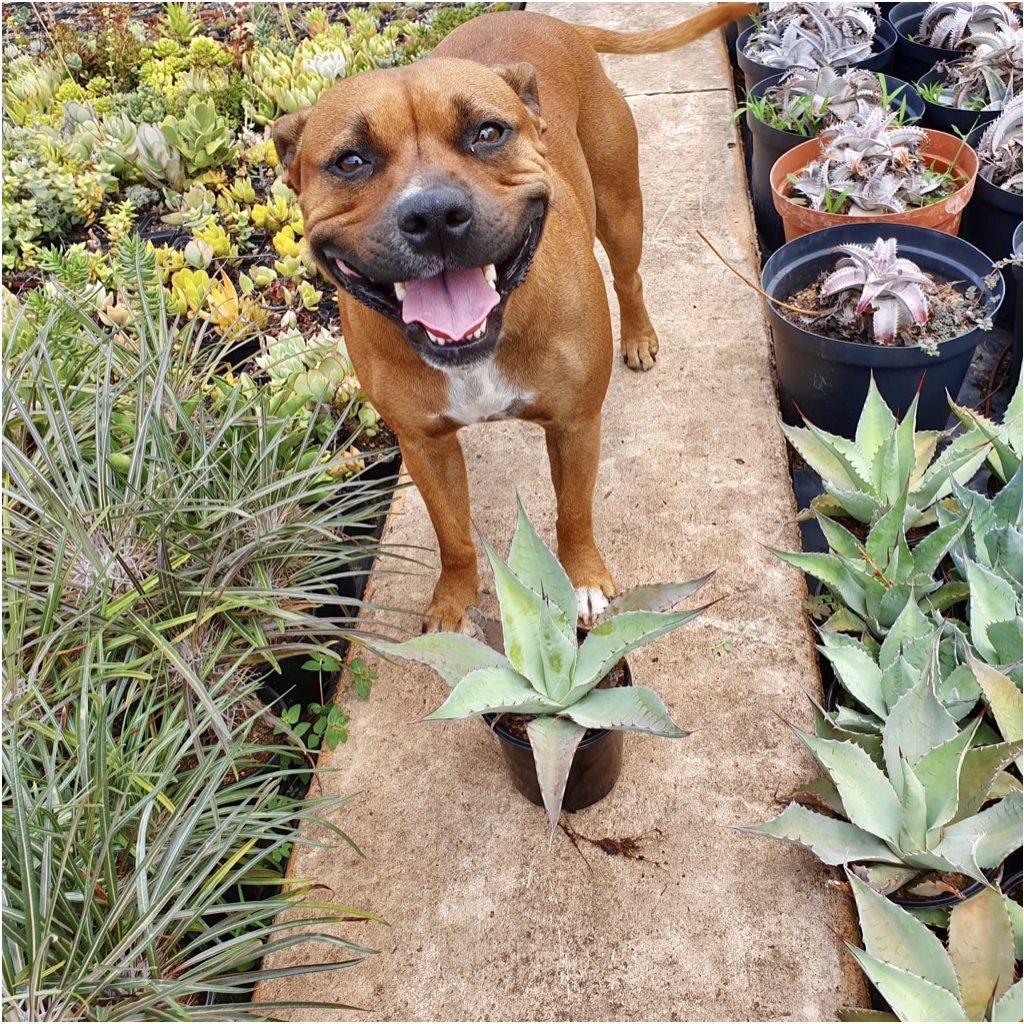
Ornithogalum juncifolium