
Asphodelaceae

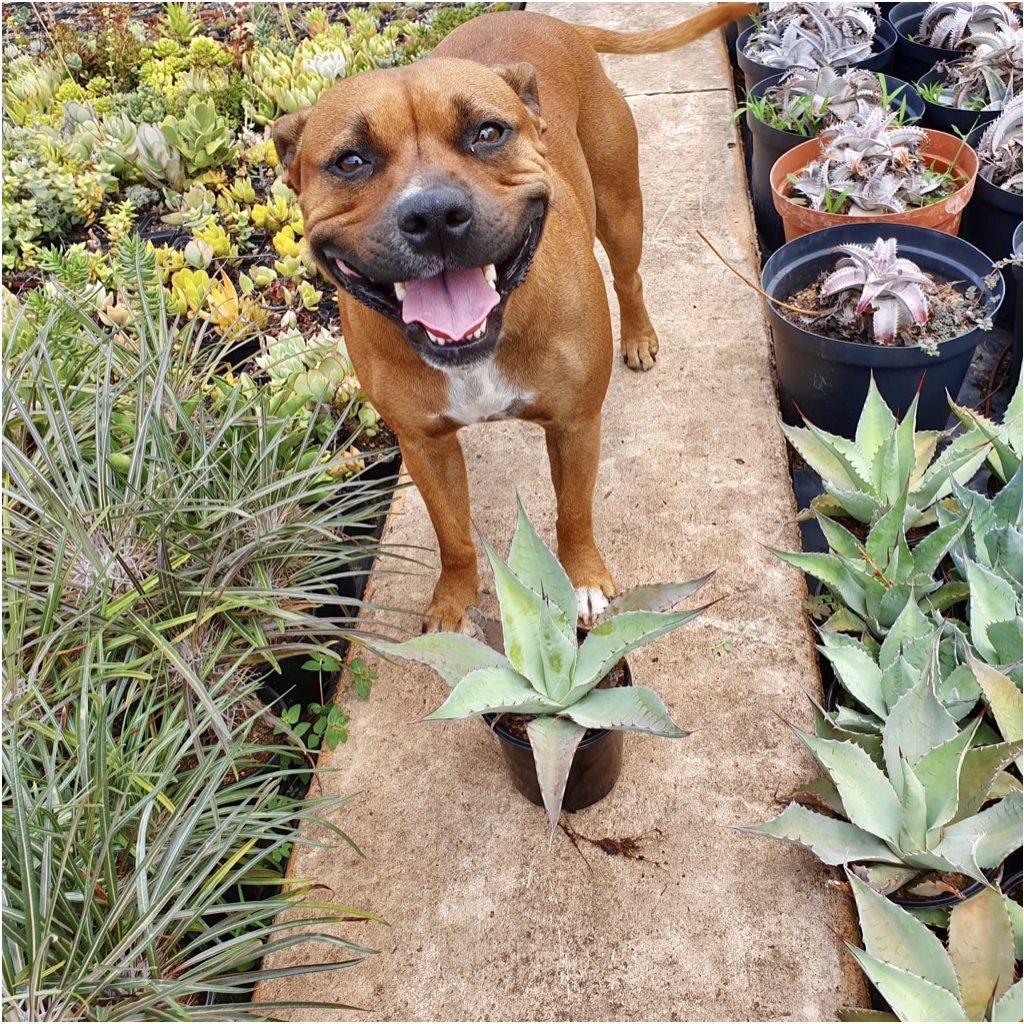


Asphodelaceae – The Asphodel Family
The Asphodelaceae family, commonly known as the asphodel family, is a fascinating family of flowering plants that includes popular and diverse genera such as Aloe, Haworthia, Kniphofia, and Bulbine. This family consists of about 800 species, most of which are succulents or semi-succulents adapted to arid and semi-arid environments.
Common Characteristics
- Growth Forms: Asphodelaceae plants vary in form, from rosette-forming succulents like Aloe and Haworthia to herbaceous perennials like Kniphofia. Many species are stemless or short-stemmed, with leaves arranged in rosettes, while others, such as Kniphofia, have taller, more upright growth.
- Leaves: The leaves are usually thick, fleshy, and often covered with a waxy coating or small spines along the edges. Leaf shapes vary from long and narrow to broad and compact, and colors can range from green to blue-green, with many varieties exhibiting spots or stripes.
- Flowers: Flowers in this family are typically tubular or bell-shaped, often arranged on long, upright stalks that rise well above the foliage. Colors can be vibrant, including shades of orange, yellow, pink, and red, particularly in Aloe and Kniphofia, adding a striking element to the landscape.
- Root Structure: Most members of this family have fibrous roots, though some may develop tuberous or swollen roots for additional water storage, a trait that aids in surviving dry conditions.
Native Habitat and Origins
Asphodelaceae plants are primarily native to arid and semi-arid regions in southern Africa and Madagascar, although some genera are found in the Mediterranean and Arabian regions. These plants are well adapted to challenging environments, with some thriving in deserts and others in rocky or grassland habitats.
Care Guide for Asphodelaceae Plants
Asphodelaceae plants are generally hardy and easy to care for, making them popular for both indoor and outdoor cultivation. Here are some general care guidelines:
- Soil: These plants prefer well-draining soil, ideally a cactus or succulent mix. If planting outdoors, ensure the soil has good drainage, especially in areas with higher rainfall.
- Watering: As succulents, most Asphodelaceae plants are drought-tolerant and require infrequent watering. Allow the soil to dry completely between waterings, particularly for genera like Aloe and Haworthia. Overwatering can lead to root rot.
- Light: Most Asphodelaceae plants thrive in bright, indirect light, although they can also handle direct sunlight, especially outdoor varieties. Indoor plants, like Haworthia, often do well with filtered sunlight or even partial shade.
- Temperature: These plants are generally suited to warm, dry climates and are not frost-tolerant. They do best in temperatures above 50°F (10°C), although some species can withstand brief cold spells if kept dry.
- Fertilization: Feed during the growing season with a balanced, diluted fertilizer. Avoid over-fertilizing, as Asphodelaceae plants are naturally adapted to low-nutrient environments.
Unique Feature: The Healing Power of Aloe Vera
One of the most well-known members of the Asphodelaceae family is Aloe vera, celebrated for its medicinal properties. The gel from the leaves of Aloe vera has been used for centuries for its soothing and healing effects, particularly in treating burns, skin irritations, and wounds. This remarkable adaptation has made Aloe vera a staple in homes and gardens worldwide, where it serves both as a hardy, attractive plant and a natural remedy, showcasing the family’s unique combination of beauty and utility.