
Tulista
Genus Tulista – The Pearl Plant
The genus Tulista is a small, yet striking group of succulent plants within the Asphodelaceae family, closely related to the Aloe and Gasteria genera. Tulista species are known for their compact, rosette-forming habit and their thick, fleshy leaves that have adapted to survive in arid environments. These plants are prized for their architectural form and ease of care, making them ideal for succulent enthusiasts.
Key characteristics of the Tulista genus include:
- Growth Habit: Tulista plants are typically slow-growing and form rosettes of thick, fleshy leaves. These rosettes tend to be relatively small but may grow larger over time, depending on the species. The leaves are arranged tightly, giving the plants a neat, compact look. Some species may branch or offset to create clumping growth, resulting in a multi-rosette appearance.
- Leaves: The leaves of Tulista plants are fleshy, typically thick, and sometimes have a slightly waxy or glaucous coating. They are often spiny or have marginal teeth or small spines along their edges. The color of the leaves can vary, with shades of green, greyish-green, or blue, and they may develop reddish or purplish hues when stressed by sun or drought. The leaves are generally smooth or slightly rough in texture, and some species have a unique blue or greyish bloom on the surface.
- Flowers: The flowers of Tulista species are typically tubular and appear on tall, slender flower spikes that emerge from the center of the rosette. These flowers can be white, yellow, or orange, and they often attract pollinators such as bees, butterflies, and hummingbirds. Flowering usually occurs in late winter or early spring, depending on the growing conditions.
- Size: Most Tulista species are small to medium in size, with most plants growing to about 8 to 12 inches (20 to 30 cm) in height and width. While slow-growing, they can eventually form larger clumps or colonies if left undisturbed. Their compact size makes them perfect for container gardening and indoor plant displays.
- Hardiness: Tulista plants are well-suited for dry, arid conditions. They are drought-tolerant and can survive on minimal water once established. However, they do not tolerate frost, and it is crucial to protect them from freezing temperatures to prevent damage to their fleshy tissues.
Native Habitat:
Tulista species are native to Southern Africa, specifically South Africa. They grow in dry, rocky, or sandy soils in regions with little rainfall and high temperatures. Their natural habitat includes semi-desert and scrubland areas, where they have evolved to store water in their thick, succulent leaves. They are often found in well-drained environments, such as rocky outcrops and hillsides, where they benefit from the occasional rainfall but still need to endure long dry periods.
Their native habitats are typically sunny and arid, with temperatures that can fluctuate dramatically. In cultivation, Tulista plants thrive in similar conditions, making them well-suited for dry, hot climates and xeriscaping.
Care Requirements:
- Light: Tulista plants prefer bright, indirect light, although they can tolerate some direct sunlight. They will thrive in sunny windowsills, under grow lights, or outdoors in a location that receives ample sunlight but is protected from the harshest midday sun. If grown outdoors, Tulista plants should be placed in a spot that gets morning sunlight or filtered sunlight to avoid sunburn.
- Watering: Like most succulents, Tulista plants have low water needs. It is essential to water them thoroughly but infrequently. Allow the soil to dry out completely between waterings, as overwatering can lead to root rot. During the growing season (spring and summer), water the plant about once every 2-3 weeks, but reduce watering significantly during the winter months when the plant is dormant.
- Soil: Tulista plants require well-draining soil to thrive. A cactus or succulent mix, or a combination of regular potting soil with sand or perlite, will provide the drainage they need. A porous, fast-draining substrate is essential to prevent water from accumulating around the roots. If planting outdoors, ensure the soil is sandy and well-drained.
- Temperature: Tulista plants are adapted to warm climates and prefer temperatures between 65°F to 85°F (18°C to 29°C). They are not frost-tolerant, and exposure to freezing temperatures can cause serious damage to the plant. If you live in a region with cold winters, it is best to grow Tulista in containers that can be brought inside during the colder months.
- Humidity: These plants thrive in low-humidity environments and should be kept in areas with good air circulation. Excess moisture in the air can lead to fungal issues, so avoid placing Tulista plants in overly humid rooms, such as bathrooms, unless there is good ventilation.
- Fertilization: Tulista plants do not need heavy feeding. You can fertilize them once or twice during the growing season (spring and summer) with a diluted, balanced fertilizer, or use a fertilizer designed for succulents. Avoid fertilizing during the winter months when the plant is not actively growing, as this can lead to overfeeding and potential harm.
- Repotting: Tulista plants grow slowly and may not need frequent repotting. Repot when the plant outgrows its container or the soil becomes compacted and less well-draining. Always choose a pot with drainage holes to ensure proper drainage and to avoid waterlogging the plant’s roots.
Unique Feature:
What sets Tulista apart from other succulents is its striking and intricate leaf patterning, especially in certain species. The leaves of some Tulista plants are often marked by fine spines or teeth along the edges, which give them a spiky, textured appearance. The coloration of the leaves can also shift based on environmental factors, with some plants displaying unique color changes when stressed, such as turning reddish or purple under intense sunlight or drought.
Additionally, the genus Tulista is often mistakenly lumped with other similar succulent genera like Aloe, but its distinctive rosette formation, spiny leaf margins, and beautiful flowering spikes make it a standout in any succulent collection. The plants’ tolerance for neglect and ability to thrive in dry, hot conditions also make them perfect for beginner gardeners and succulent lovers looking for a low-maintenance plant with a striking aesthetic.
If you’re seeking a hardy, visually captivating succulent that is as easy to care for as it is beautiful, Tulista is an excellent choice. Their compact size and interesting texture make them great for both indoor and outdoor displays, and they provide a unique aesthetic with their bold, spiky leaves and vibrant flower colors.
Below are some species we are familiar with…
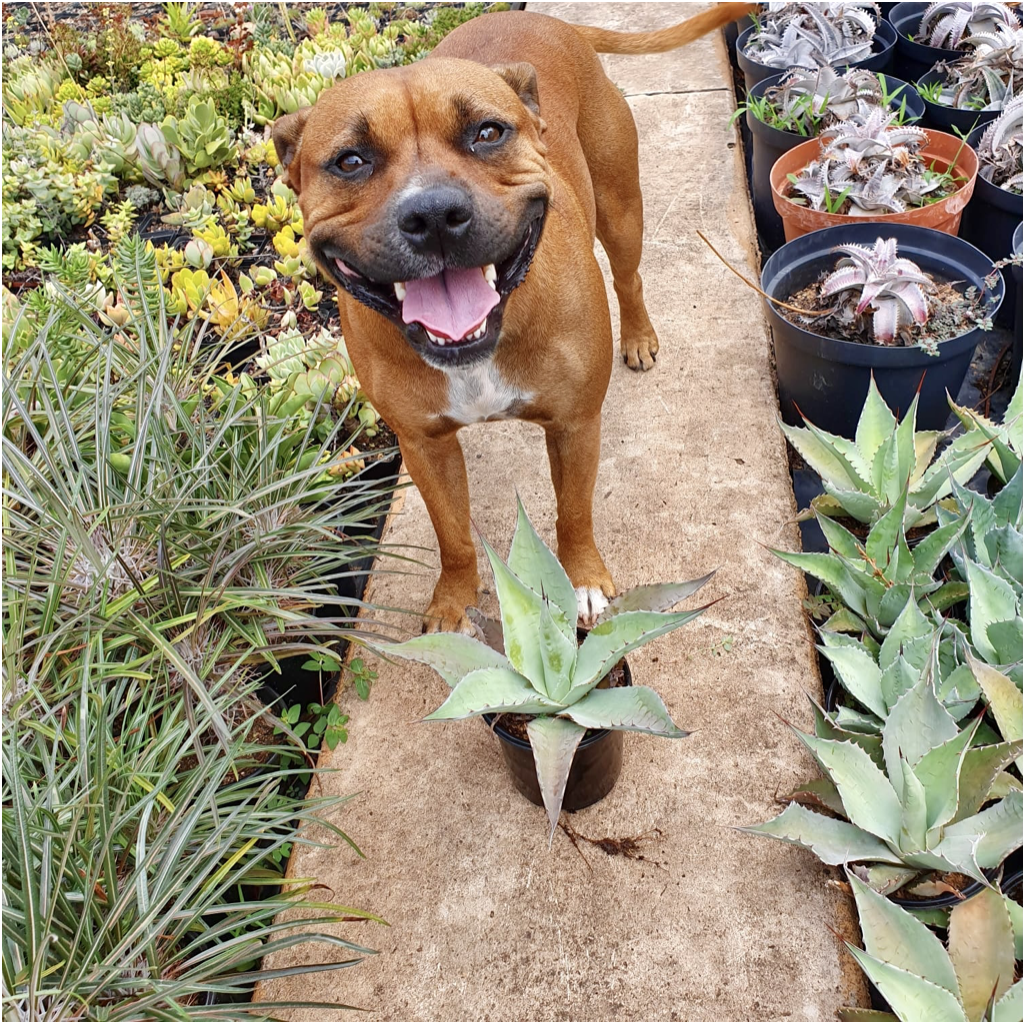
Tulista marginata hybrid