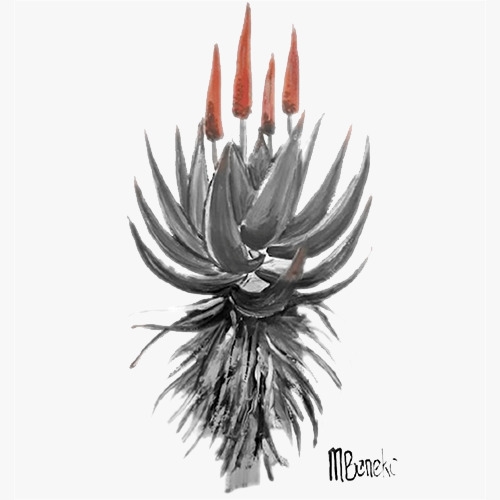
GAsteria
Genus Gasteria – The Lawer’s Tongue
The genus Gasteria is a group of succulent plants native to southern Africa, particularly in regions of South Africa and Namibia. They are small to medium-sized plants, valued for their striking, thick, and fleshy leaves, which are often patterned with spots or stripes. Gasteria species are closely related to Aloe but are typically smaller and more compact.
Key characteristics of the Gasteria genus include:
- Growth Habit: Gasteria plants typically form rosettes of fleshy leaves. Some species may grow in a more upright or clustered manner, while others have a sprawling growth form. The rosettes are often arranged in a spiral pattern, which gives the plants an attractive symmetry. In general, the plants are relatively small, with a compact, low-growing habit.
- Leaves: The leaves of Gasteria are thick, fleshy, and lance-shaped or triangular. They often have a distinctive, smooth or slightly rough texture with spots, bands, or stripes that range from white to light green. These patterns are one of the defining features of Gasteria plants. The leaves are arranged in a spiral rosette and are typically dark green, although the patterns and color can vary depending on the species.
- Flowers: Gasteria plants produce tubular, pendulous flowers on long, thin stalks that rise above the plant. The flowers are typically orange, red, or yellow, and they bloom in late winter or early spring. While the flowers are not as showy as some other succulents, they are still an interesting feature of the plant, attracting pollinators such as bees and birds.
- Size: Most Gasteria species remain relatively small, typically growing to about 1 to 2 feet (30 to 60 cm) in height. Their compact size makes them ideal for container gardening or as accent plants in a succulent arrangement.
- Hardiness: Like other members of the Asphodelaceae family, Gasteria species are well-adapted to drought and can tolerate dry conditions. However, they do require proper care to ensure they thrive in cultivation, particularly when it comes to their water and light needs.
Native Habitat:
The native habitat of Gasteria plants is the arid and semi-arid regions of southern Africa. They are particularly found in South Africa, with some species also growing in Namibia. In the wild, Gasteria species typically grow in rocky outcrops, cliffs, and grassy slopes, often in well-drained soils. These plants are adapted to survive in environments where water is scarce, using their thick leaves to store moisture for extended periods.
Care Requirements:
- Light: Gasteria plants thrive in bright, indirect light but can also tolerate some direct sunlight. However, too much intense sunlight can scorch their leaves, especially if they are not acclimated to full sun. A spot with morning or evening sun is ideal, while protection from the harsh midday sun is recommended, especially in hotter climates.
- Watering: As succulents, Gasteria species are drought-tolerant but should not be overwatered. Water them thoroughly, but allow the soil to dry out completely between waterings. During the growing season (spring and summer), they may need water more frequently, but in winter, their watering needs decrease significantly, as they enter a dormant phase. Overwatering can lead to root rot, so it’s important to avoid letting the plant sit in waterlogged soil.
- Soil: Well-draining soil is essential for Gasteria plants. A cactus or succulent potting mix works well, or you can create your own mix by combining regular potting soil with sand or perlite to enhance drainage. Good drainage ensures that the roots don’t become waterlogged and helps prevent fungal or bacterial infections.
- Temperature: Gasteria plants prefer temperatures between 60°F and 85°F (15°C to 29°C). They are relatively frost-sensitive and should be protected from temperatures below 40°F (4°C). If grown outdoors, it’s important to bring them inside during cold weather, especially in regions that experience freezing temperatures.
- Humidity: These plants thrive in dry conditions and do not require high humidity. In fact, excessive moisture in the air can increase the risk of fungal diseases, so it’s important to keep humidity levels low. Homes with central heating or air conditioning are usually ideal environments for Gasteria.
- Fertilization: Gasteria plants are not heavy feeders but can benefit from occasional feeding during the growing season. Use a diluted, balanced fertilizer once or twice during spring or summer to encourage healthy growth. Avoid fertilizing in winter when the plant is dormant.
- Repotting: Gasteria plants grow slowly, so they do not need frequent repotting. However, they can eventually outgrow their pots, so repotting every 2-3 years is a good idea to refresh the soil and give the roots more space. Always use a pot with good drainage.
Unique Feature:
One of the most unique features of the Gasteria genus is the distinctive, variegated patterning of the leaves. Many species have white spots, bands, or lines across their green leaves, creating a striking and ornamental appearance. These patterns are not only visually appealing but also help the plant blend into its natural environment, where it grows among rocks and other vegetation. This camouflage is an important adaptation for protection from herbivores.
A standout species within this genus is Gasteria batesiana, which has beautifully speckled leaves and is highly sought after by succulent collectors. In addition to their stunning foliage, Gasteria plants are incredibly hardy and easy to care for, making them ideal for both novice and experienced succulent enthusiasts. Whether as a houseplant or in a succulent garden, their resilient nature and attractive appearance make them a wonderful addition to any collection.
Below are some species we are familiar with…
Gasteria amabala
Gasteria armstrongii