Aloe
Genus Aloe – The Aalwyn
The genus Aloe is a large and diverse group of succulent plants, consisting of over 500 species. These plants are well-known for their rosettes of thick, fleshy leaves, often adorned with spiny margins. Aloes are celebrated for their striking appearance and medicinal properties, particularly the sap extracted from the leaves, which has been used for centuries to treat burns, skin irritations, and other ailments.
Key characteristics of the Aloe genus include:
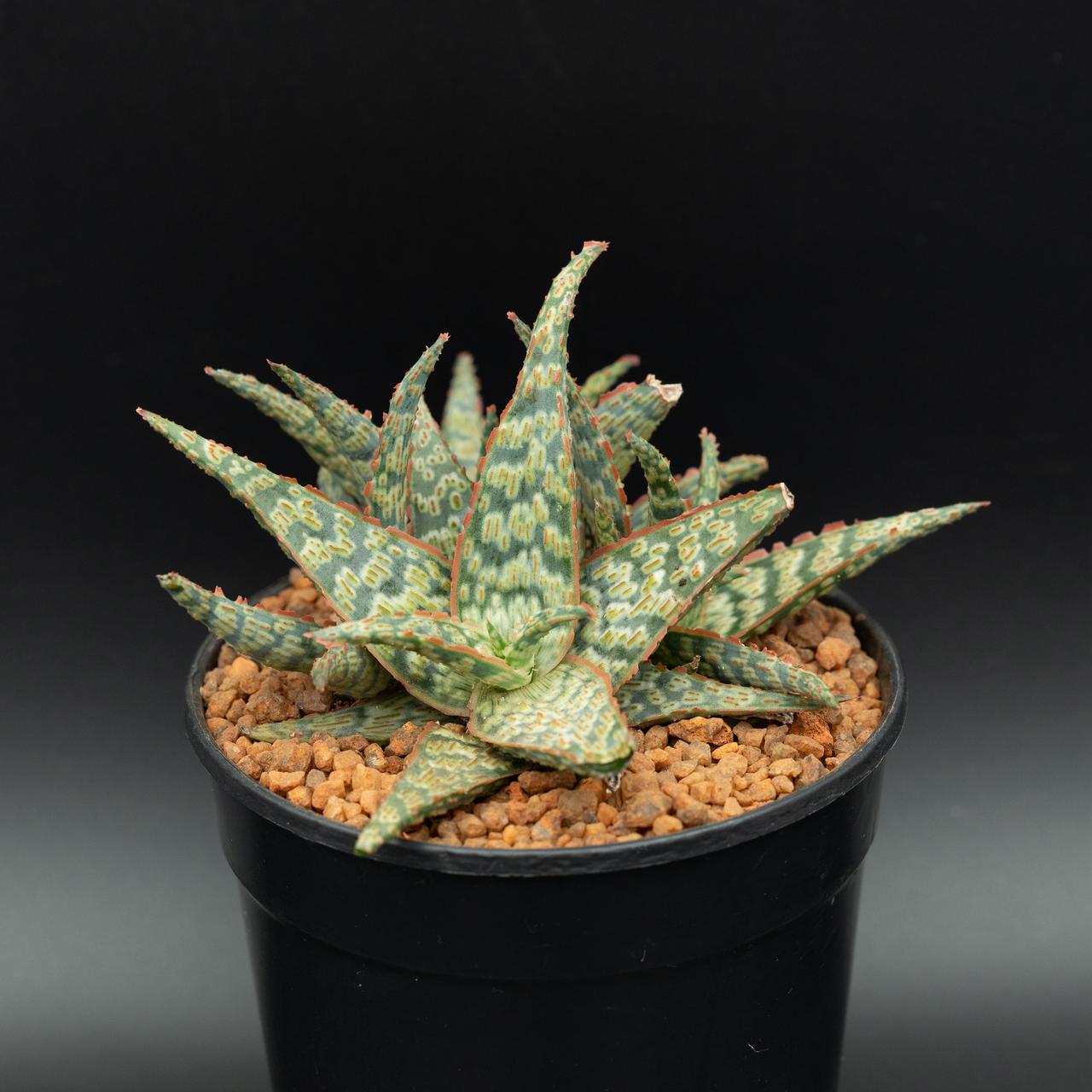
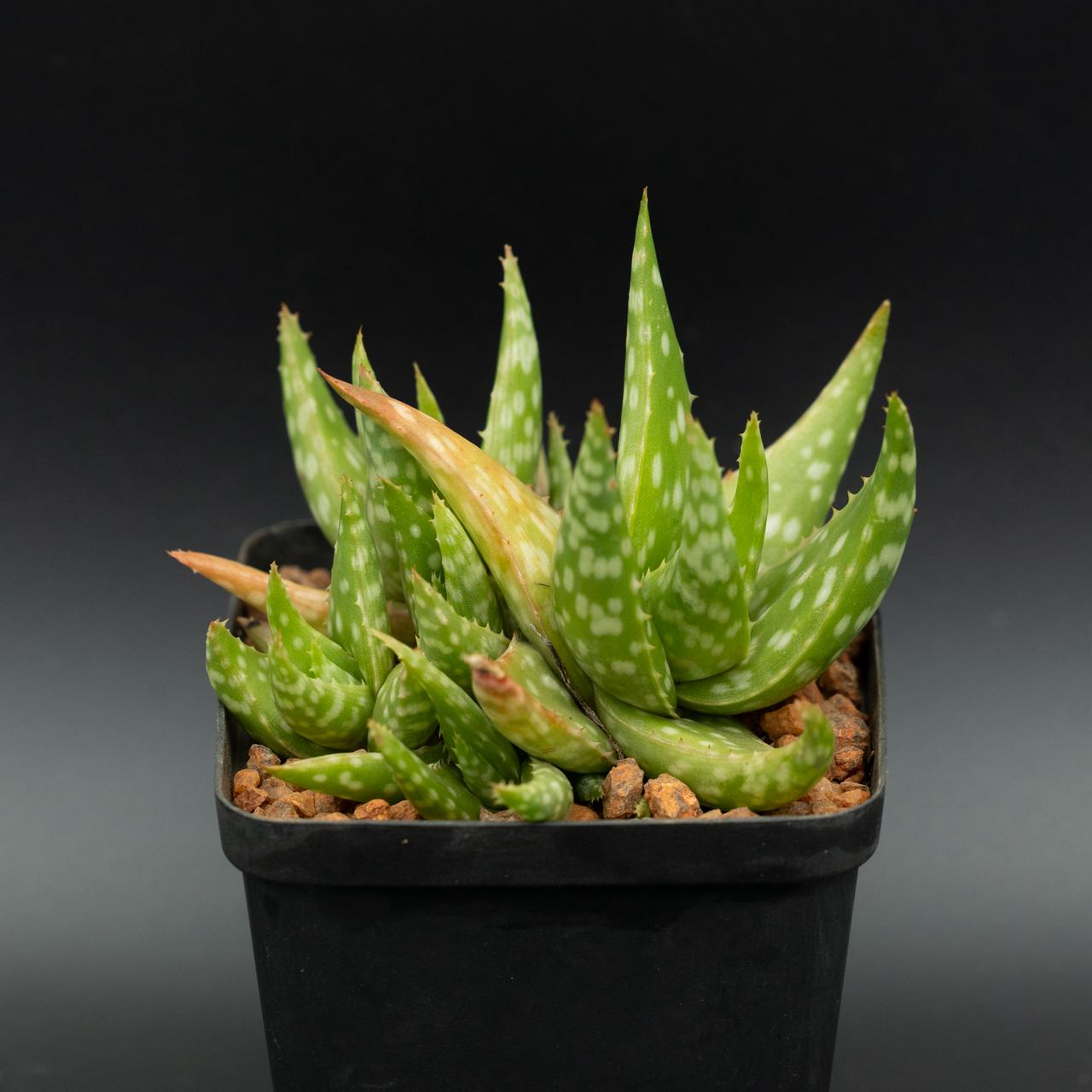
- Leaves: Aloe leaves are typically long, narrow, and succulent, with a fleshy texture that helps store water. The leaves are arranged in a rosette or spiral pattern. Most species have leaves that are green, though some can display hues of blue, gray, or reddish-purple, especially when stressed by sun exposure or drought. The margins of the leaves are often spiny or serrated, and the surface may have spots or streaks.
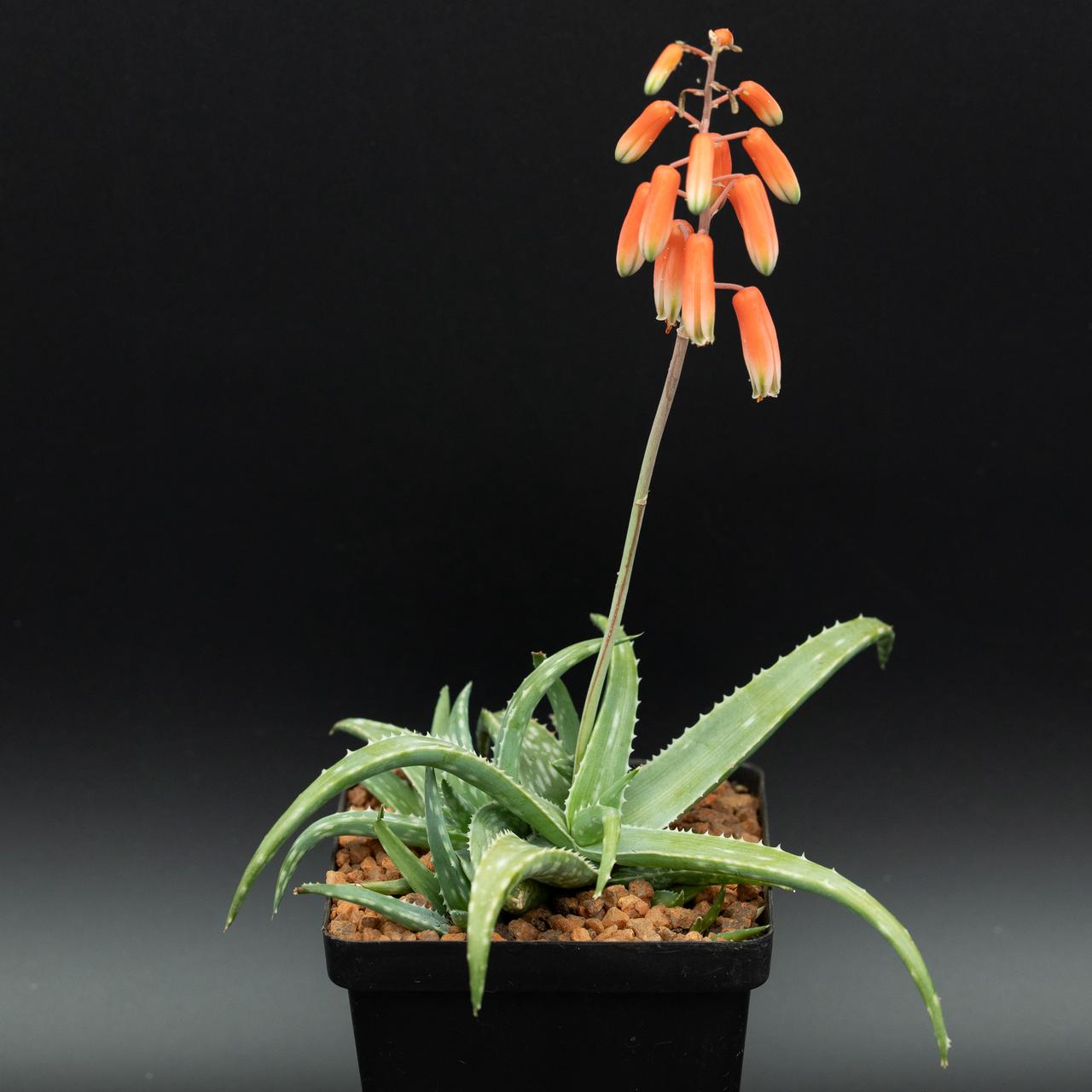
- Flowers: Aloe plants produce tall, tubular flowers that are often arranged in clusters on long spikes. The flowers can be orange, red, yellow, or pink, depending on the species. They bloom during the warmer months, usually in spring or summer, and are often visited by hummingbirds, bees, and other pollinators.
- Growth Habit: Aloe plants are typically low-growing rosettes, although some species can grow into small trees or shrubs. The plants can range from small, compact forms (such as Aloe vera) to larger, tree-like structures, such as Aloe ferox. Aloes are generally slow-growing, though some species can grow quite large over time.
- Size: Aloe species vary significantly in size, from small, clumping ground-hugging varieties to large, tree-like forms that can reach heights of 10-15 feet (3-4.5 meters).
- Hardiness: Aloes are well-suited for arid and semi-arid climates. They are adapted to withstand periods of drought and high temperatures. Most species are frost-sensitive, though some are more tolerant of cooler temperatures.
Native Habitat:
Aloe species are primarily native to Africa, with the highest diversity of species found in southern and eastern regions of the continent. They are also found in parts of the Arabian Peninsula and Madagascar. Aloes thrive in hot, dry climates, often growing in rocky, well-drained soils. They are typically found in deserts, savannas, and coastal regions, where they have adapted to survive harsh conditions with minimal water availability.
Care Requirements:
- Light: Aloes prefer bright, direct sunlight. Indoors, they should be placed in a sunny window with plenty of light, ideally with southern or western exposure. Aloes grown outdoors should be planted in a sunny spot, as they will thrive in full sun, but they can also tolerate partial shade, especially in very hot climates.
- Watering: Aloe plants are succulents and require minimal water. Overwatering is a common mistake, as it can lead to root rot. Water thoroughly when the soil is dry to the touch, and ensure that the plant is not left sitting in water. During the winter months, reduce watering as the plant enters a dormant period. Aloes are highly drought-tolerant and can go without water for extended periods.
- Soil: Aloe plants need well-draining soil, as they are prone to root rot in waterlogged conditions. A cactus or succulent potting mix works well, or you can create your own mix by adding sand or perlite to regular potting soil to improve drainage. If planting in the ground, choose a sandy or gravelly soil that drains easily.
- Temperature: Aloes prefer warm temperatures and thrive in environments ranging from 60°F to 85°F (15°C to 29°C). They can tolerate some heat but are sensitive to frost. If grown outdoors in areas with cold winters, aloe plants should be brought inside during frost season or grown in pots so they can be moved indoors. Protect them from temperatures below 40°F (4°C).
- Humidity: Aloe plants prefer dry air and do not require high humidity. They are well-suited for indoor environments where the air is typically not too humid. Avoid placing them in areas with excessive moisture, such as bathrooms or kitchens, as high humidity can lead to fungal problems.
- Fertilization: Aloe plants do not require heavy feeding. They can be fertilized once or twice a year during the growing season (spring and summer) with a diluted, balanced fertilizer. Avoid fertilizing during the winter, as the plant is not actively growing.
- Repotting: Aloe plants grow slowly, but they may need to be repotted every 2-3 years, especially as they outgrow their container. Choose a pot that is slightly larger than the current one, and ensure it has good drainage. Aloe plants can also be propagated by removing offsets (pups) that grow around the base of the main plant.
Unique Feature:
One of the most famous species in the Aloe genus is Aloe vera, known for its gel-filled leaves, which are widely used in the cosmetic, pharmaceutical, and health industries. The gel is packed with nutrients and has cooling, soothing properties, making it a popular treatment for burns, cuts, and skin irritations. Aloe vera’s healing properties have been recognized for thousands of years, and it continues to be a staple in natural remedies today.
Aloe plants are also special due to their ability to thrive in challenging environments, such as deserts and coastal regions, where other plants might struggle. Their fleshy leaves allow them to store water efficiently, making them not only survivors in harsh climates but also excellent examples of the resilience of nature.
Whether used for medicinal purposes, as ornamental houseplants, or in landscapes, Aloe species are incredibly versatile, offering both practical benefits and striking beauty.
Below are some species we are familiar with…