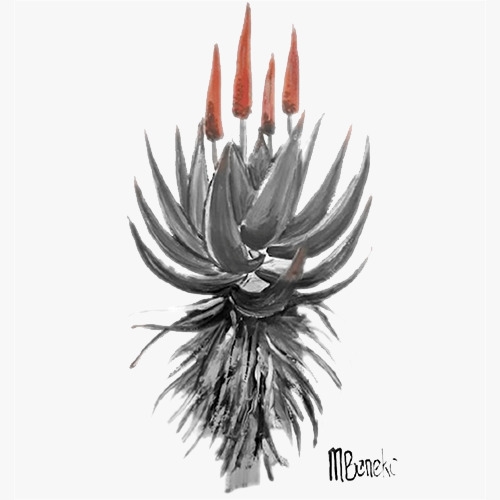
Agave isthmensis
Agave isthmensis – The Dwarf Butterfly Agave

Agave isthmensis, a member of the Asparagaceae family, is a small and attractive species of agave that is prized for its compact size and distinctive rosette of soft, green leaves. It’s a hardy, drought-tolerant plant that makes a great addition to succulent collections or xeriscaped gardens.
Common Characteristics:
- Size: Agave isthmensis is a relatively small agave species. It typically grows in a dense rosette formation, reaching a height of about 18 inches (45 cm) and can spread up to 2 feet (60 cm) in diameter as it matures.
- Leaves: The leaves are soft, smooth, and narrow, typically blue-green or grayish-green in color, with slightly wavy margins. The leaves end in a sharp, reddish-brown terminal spine, which is a characteristic feature of the agave family.
- Flowering: Agave isthmensis produces a tall, slender flower stalk, typically growing between 3 to 5 feet (90 to 150 cm) tall. The flowers are yellow-green, and while it does not bloom frequently, it produces a striking visual when in bloom.
- Growth Habit: It forms a low, rosette-shaped plant, which is often offset by suckers. These offsets can be carefully removed and propagated, making it an excellent candidate for growing in clusters or as part of a larger display.
Native Habitat:
Agave isthmensis is native to the Isthmus of Tehuantepec in Oaxaca, Mexico. It thrives in semi-arid to arid environments, typically found in rocky or well-drained soil conditions at higher elevations. This species is well adapted to the hot, dry conditions of its native habitat, with some protection from direct sunlight and light shade being beneficial for its growth.
Care Instructions:
- Light: Agave isthmensis thrives in full sun to partial shade. It benefits from bright, indirect light in regions with very hot summers but can tolerate direct sunlight in cooler climates.
- Watering: Like most agave species, it is drought-tolerant once established. During the growing season (spring to fall), water it thoroughly but allow the soil to dry completely between waterings. Reduce watering in the winter, as the plant enters a dormant phase.
- Soil: This agave requires well-draining soil to prevent root rot. A cactus or succulent mix is ideal, or you can enhance drainage by adding sand or perlite to your potting mix.
- Temperature: Agave isthmensis is cold hardy to around 20°F (-6°C) and is typically grown in USDA hardiness zones 9b to 11. It should be protected from frost and prolonged wet conditions, which can damage the plant.
- Fertilization: Feed it once or twice during the growing season with a diluted, balanced fertilizer suitable for succulents or cacti. Avoid fertilizing in the winter when the plant is dormant.
Unique and Special Feature:
What makes Agave isthmensis especially unique is its ability to adapt well to smaller spaces while still offering an impressive visual appeal. Its compact size, contrasted with its striking, symmetrical rosette, makes it a favorite among succulent collectors and gardeners with limited space. Furthermore, this species is less common than some of the larger, more well-known agaves, which makes it an excellent choice for collectors seeking something distinctive.
Another special aspect of Agave isthmensis is its longevity and resilience. Once established, it requires minimal care and is very drought-tolerant, making it an ideal plant for xeriscaping, especially in regions where water conservation is important. Its slow-growing nature also means it can be enjoyed for many years without requiring frequent repotting or pruning, which adds to its low-maintenance appeal.
In addition, Agave isthmensis is known for its attractive, soft appearance, with spines that are less harsh than other agaves, which makes it safer to handle. This characteristic makes it a favorite among gardeners who appreciate the sculptural form of agaves without the fear of sharp, needle-like spines.
Below are some species we are familiar with…
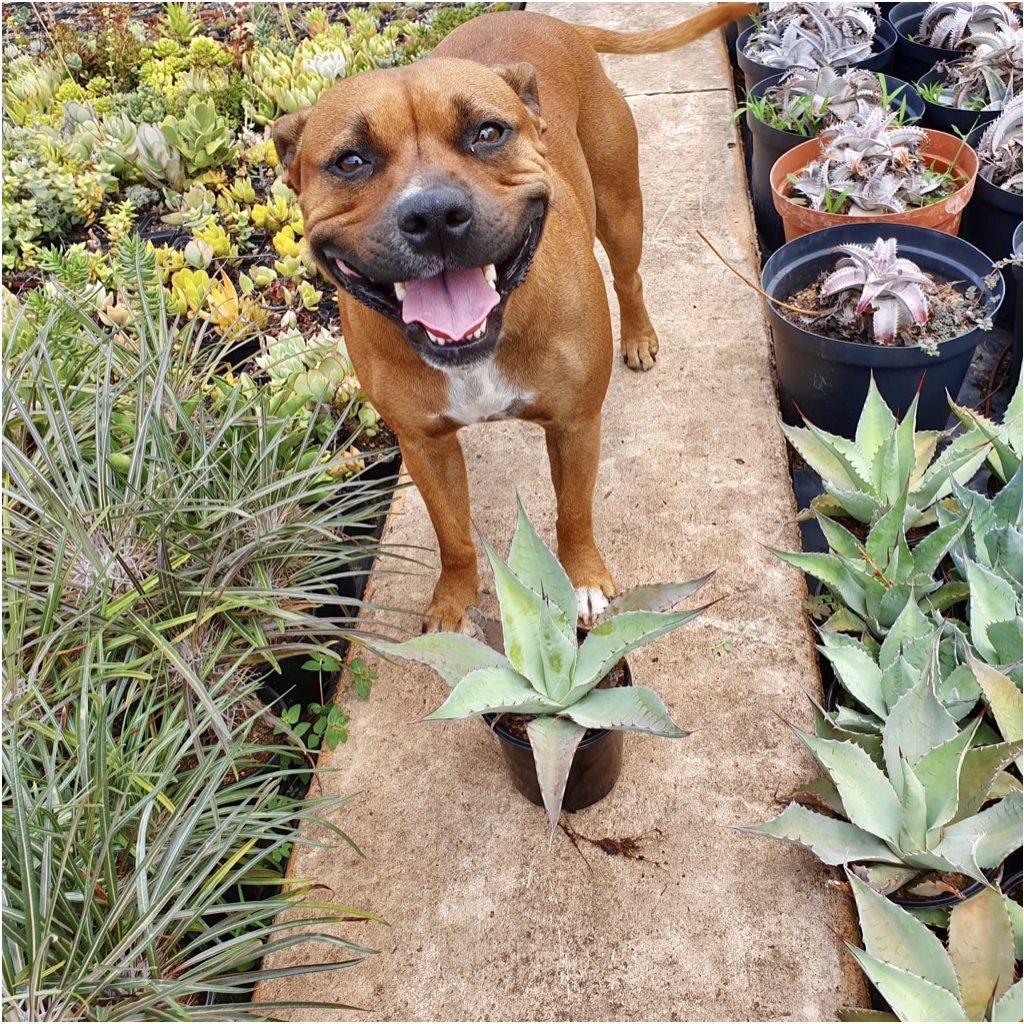
Agave americana mediopicta alba
Agave applanata creme spike
Agave colorata
Agave confederate rose
Agave creme brulee
Agave filifera
Agave geminiflora
Agave isthmensis
Agave isthmensis variegata
Agave kichiokan
Agave lophantha
Agave ovatifolia
Agave parryi
Agave parryi huachucensis
Agave parryi truncata
Agave stricta
Agave titanota
Agave toumeyana
Agave vilmoriniana
Agave victoriae-reginae
Agave victoriae-reginae picasso
Agave victoriae-reginae snow princess
Agave rum runner