
Agave isthmensis variegata
Agave isthmensis variegata – The Variegated Dwarf Butterfly Agave
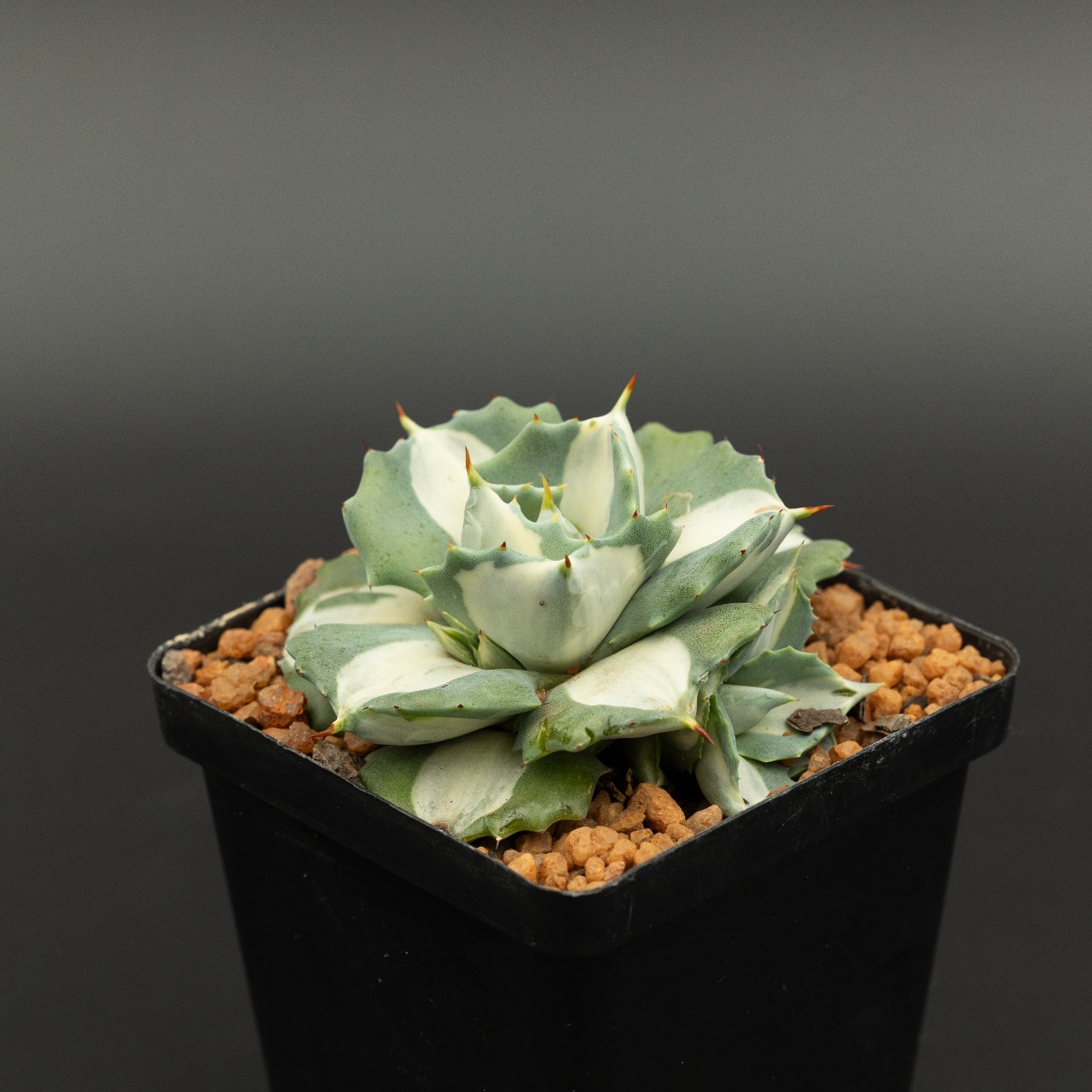
Agave isthmensis variegata, a striking cultivar of Agave isthmensis, is a variegated variety that showcases the beauty of this species with an added touch of ornamental appeal. It is a smaller, hardy succulent plant that thrives in well-drained soil and can be a stunning addition to both desert landscapes and potted succulent arrangements. This plant is renowned for its unique and beautiful foliage.
Common Characteristics:
- Size: Similar to the standard Agave isthmensis, the variegated form remains compact, typically growing up to 18 inches (45 cm) in height with a spread of 2 feet (60 cm). The variegation does not significantly affect the plant’s size but enhances its visual appeal.
- Leaves: The leaves of Agave isthmensis variegata are the key feature that distinguishes it from the standard variety. They exhibit pale yellow or cream-colored stripes alongside the usual blue-green or gray-green tones of the leaves. The variegation gives the plant a bold, colorful appearance that contrasts beautifully with the sharp, reddish-brown spines at the leaf tips.
- Growth Habit: Like the species, this variety forms a rosette of fleshy, narrow leaves that radiate outwards. It can produce offsets over time, which can be separated and propagated to create new plants.
- Flowering: Agave isthmensis variegata may produce a tall, slender flower stalk with yellow-green flowers when mature, though this is rare in ornamental settings. The plant usually focuses on its foliage, making it a primary attraction in gardens.
Native Habitat:
Agave isthmensis variegata is a cultivar of the species Agave isthmensis, which is native to the Isthmus of Tehuantepec in Oaxaca, Mexico. The species, and by extension the variegated cultivar, naturally grows in dry, rocky soils in the highlands, where it enjoys plenty of sunlight and minimal water. The variegation of this cultivar was likely selected for ornamental purposes, but it retains the resilience of its parent species.
Care Instructions:
- Light: Like other agaves, Agave isthmensis variegata thrives in full sun but can tolerate partial shade, especially in hotter climates. Ideally, it should receive at least 4–6 hours of direct sunlight per day for optimal growth and coloration.
- Watering: Water sparingly, as this plant is drought-tolerant once established. Allow the soil to dry out completely between waterings, and avoid overwatering to prevent root rot. During the winter months, water even less frequently, as the plant enters dormancy.
- Soil: Well-draining soil is essential for this agave. Use a cactus or succulent mix, or amend your potting mix with sand or perlite to improve drainage. This will help prevent water retention, which can lead to rot.
- Temperature: Hardy to about 20°F (-6°C), Agave isthmensis variegata does well in USDA hardiness zones 9b to 11. It should be protected from frost and can be brought indoors during colder months if grown in regions where temperatures drop significantly.
- Fertilization: Feed once or twice during the growing season with a balanced, diluted fertilizer designed for succulents or cacti. Avoid fertilizing during the dormant winter months.
Unique and Special Feature:
The most unique and special feature of Agave isthmensis variegata is its striking variegated foliage. The pale yellow or creamy stripes that run along the edges and midline of the leaves create a visually captivating contrast with the blue-green centers of the leaves. This gives the plant a more ornamental appearance compared to its non-variegated counterpart. The variegation enhances its aesthetic appeal, making it a sought-after choice for succulent collectors and gardeners who appreciate unusual, colorful foliage.
Another interesting feature is that, despite its beauty, Agave isthmensis variegata is relatively easy to care for, making it a low-maintenance plant that can adapt well to xeriscaping or dry gardens. Its compact size and slow-growing nature also mean it doesn’t require frequent repotting or pruning, which makes it perfect for gardeners with limited space. The plant’s resilience to drought and its stunning visual impact make it an excellent addition to succulent collections.
Below are some species we are familiar with…
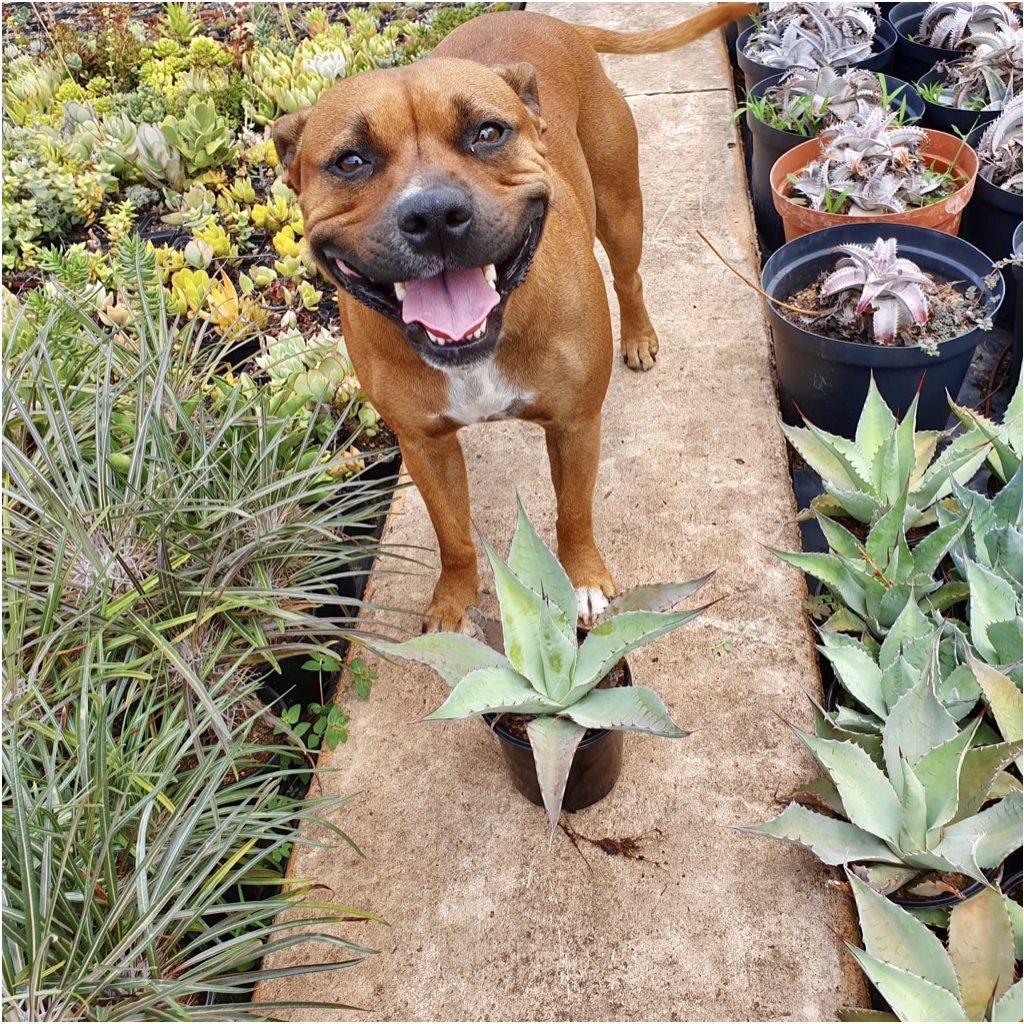
Agave americana mediopicta alba
Agave applanata creme spike
Agave colorata
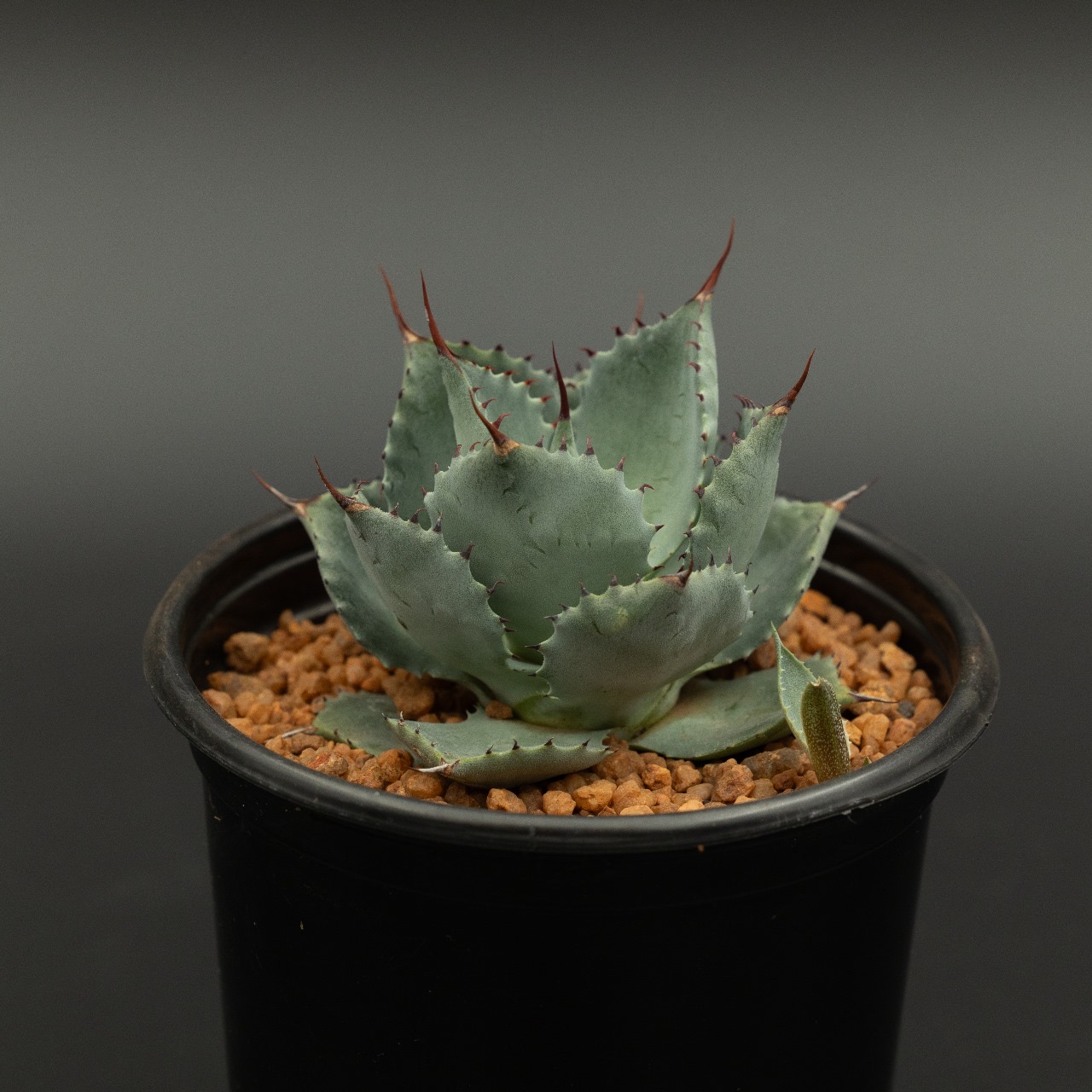
Agave confederate rose
Agave creme brulee
Agave filifera
Agave geminiflora
Agave isthmensis
Agave isthmensis variegata
Agave kichiokan
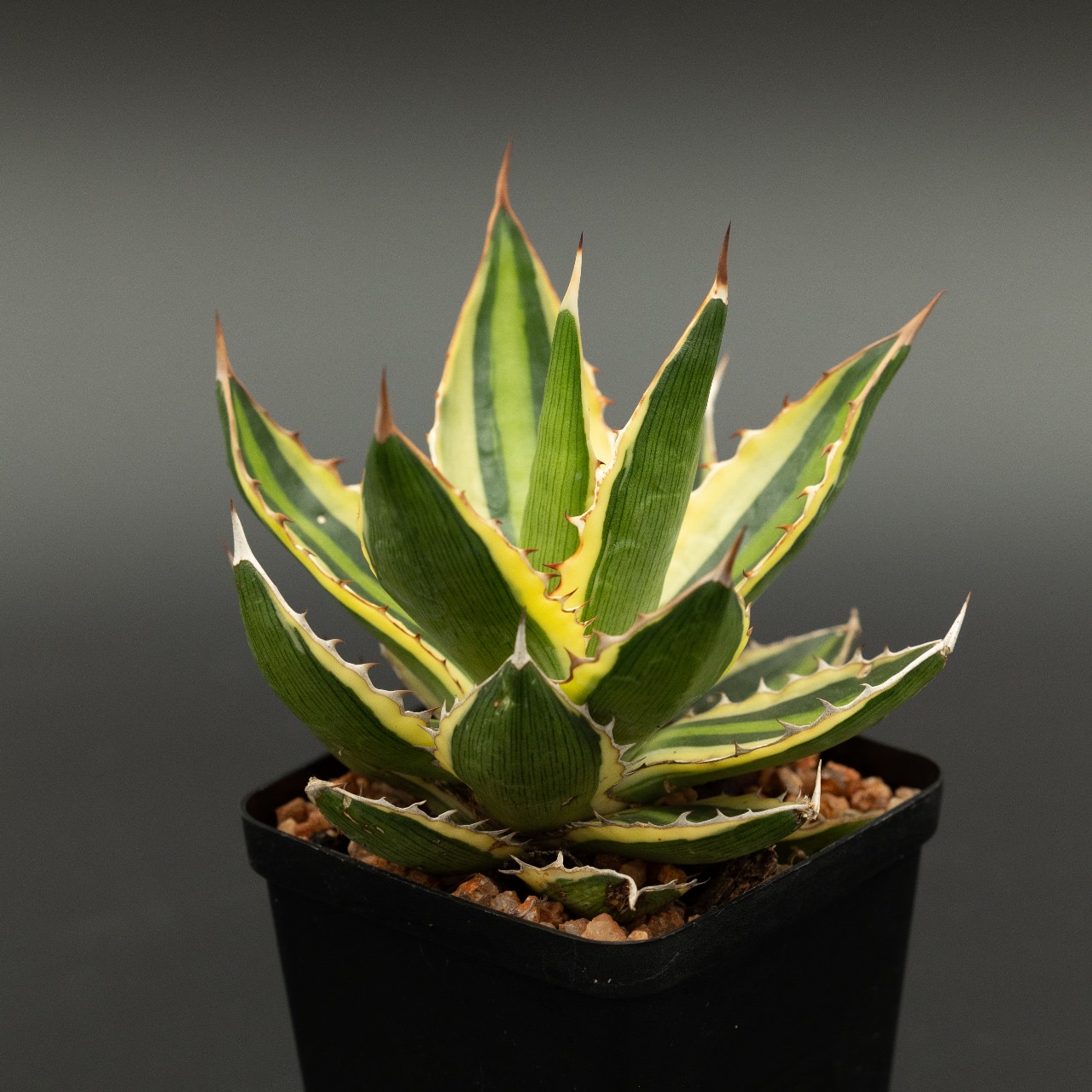
Agave lophantha
Agave ovatifolia
Agave parryi
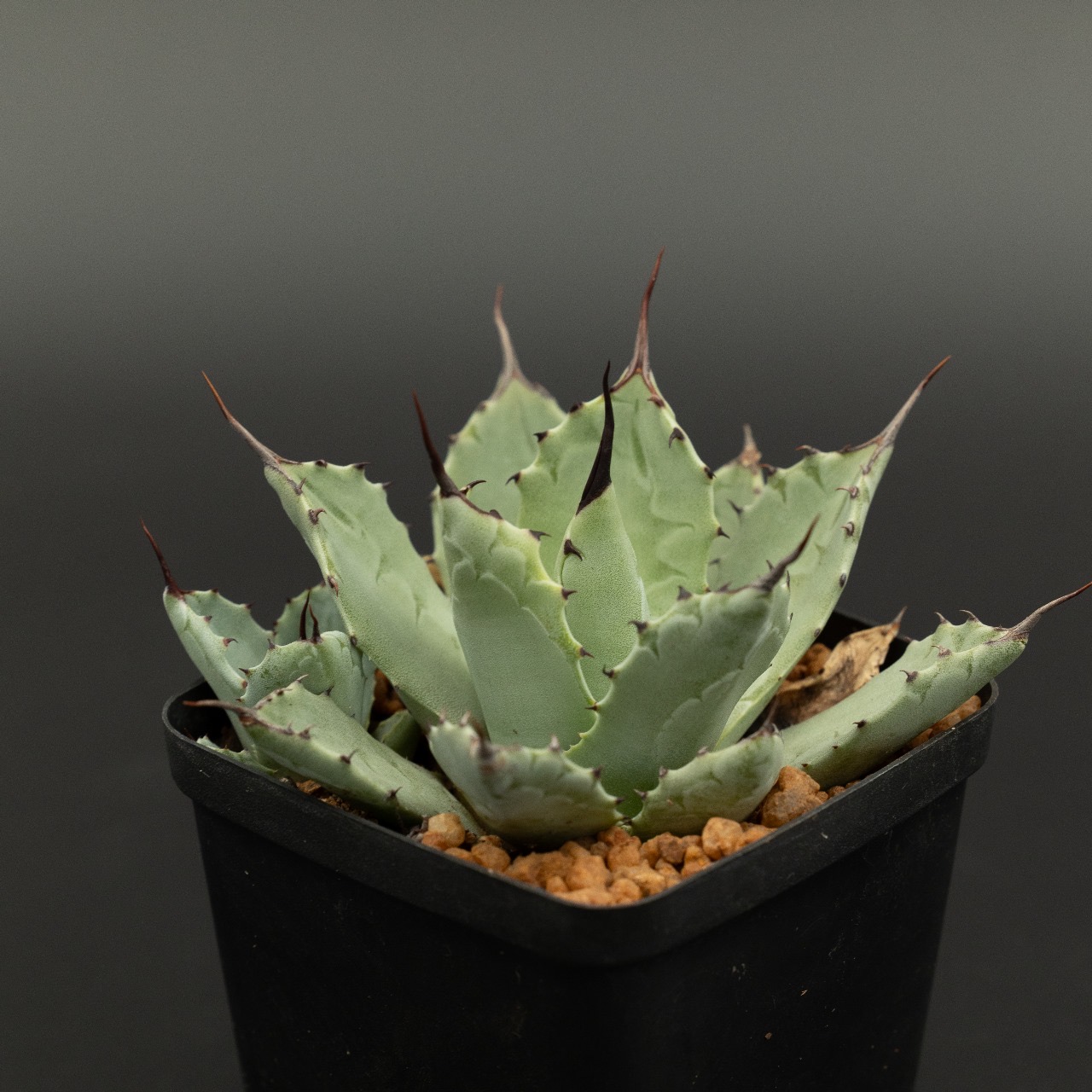
Agave parryi huachucensis
Agave parryi truncata
Agave stricta
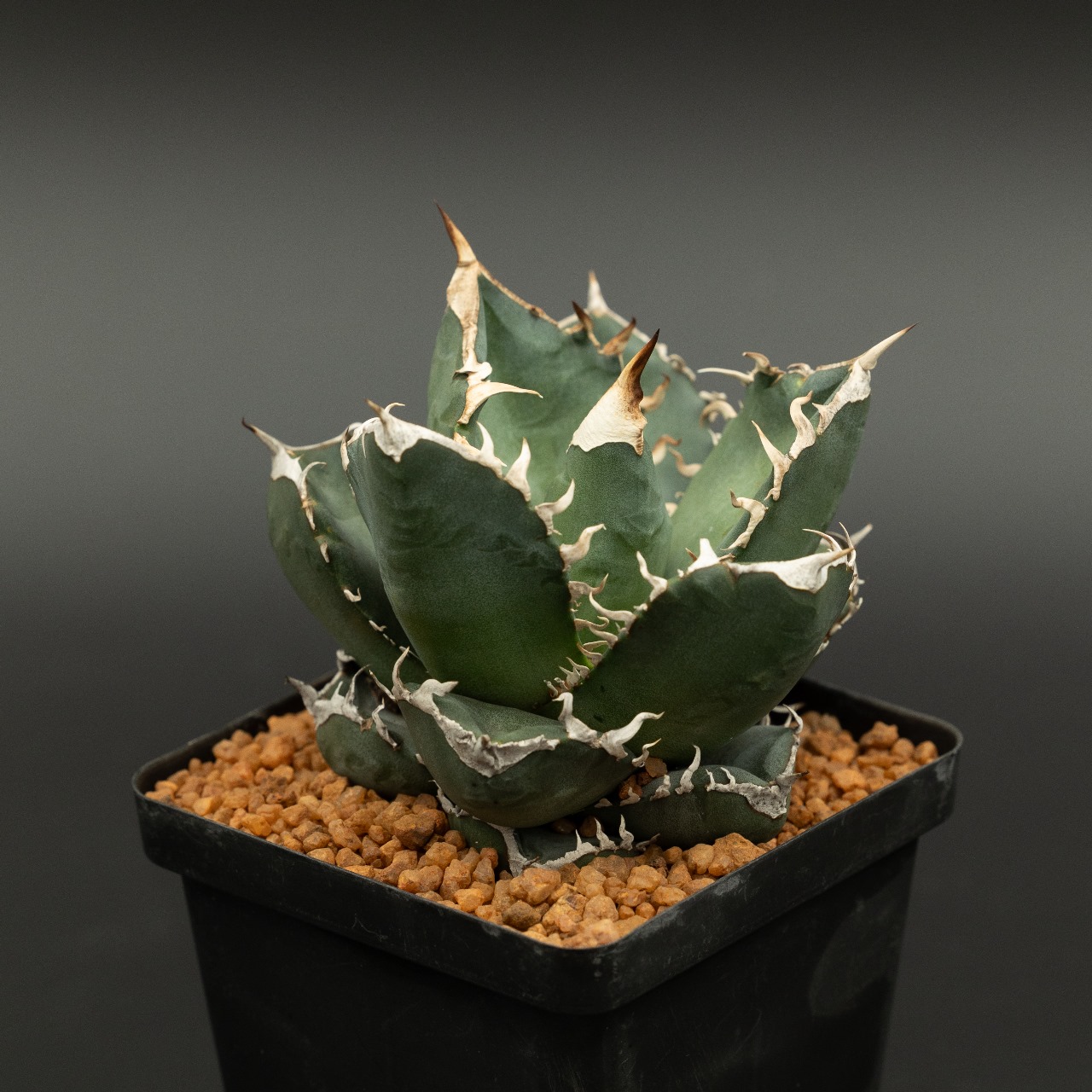
Agave titanota
Agave toumeyana
Agave vilmoriniana
Agave victoriae-reginae
Agave victoriae-reginae picasso
Agave victoriae-reginae snow princess
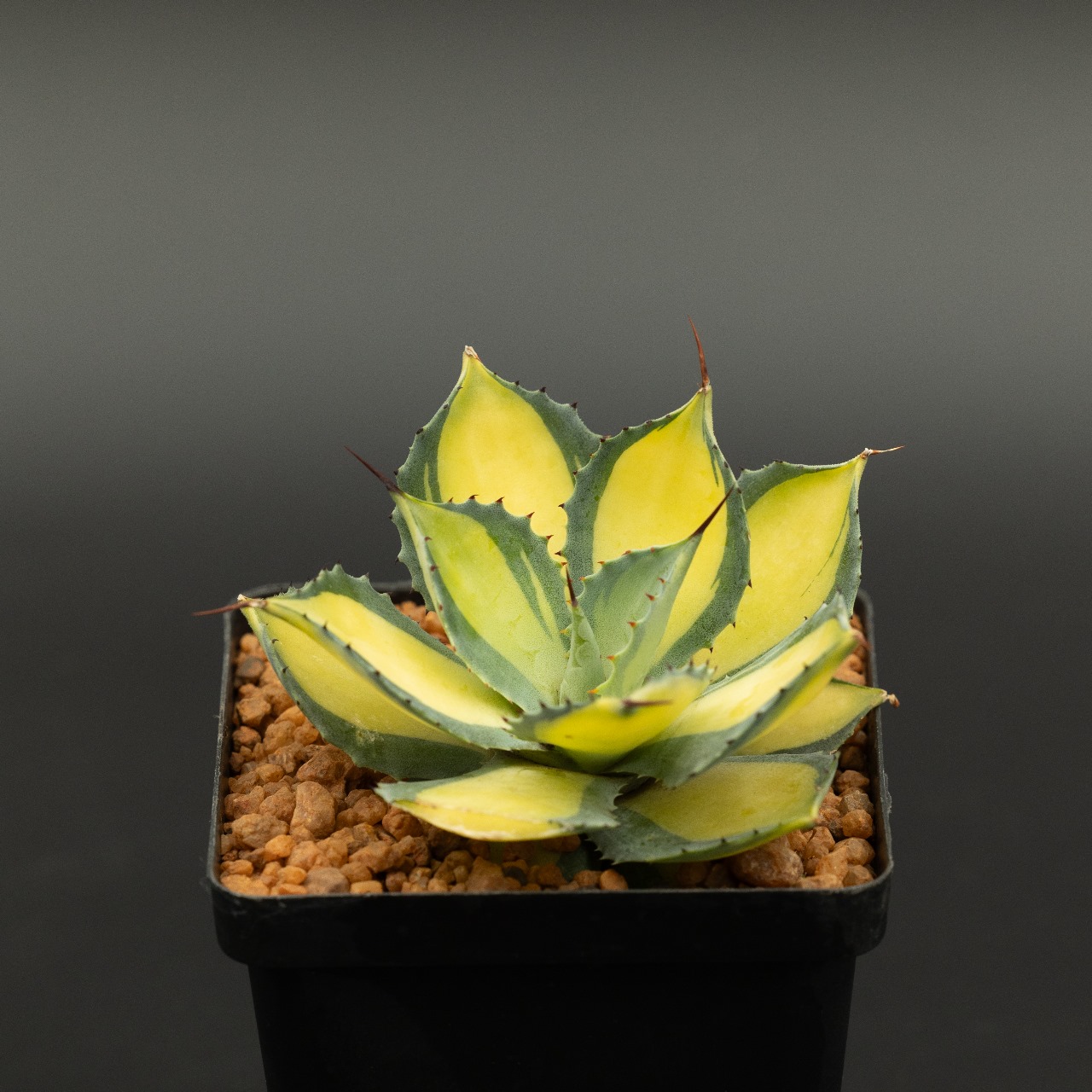
Agave rum runner