
Agave vilmoriniana
Agave vilmoriniana – The Octopus Agave
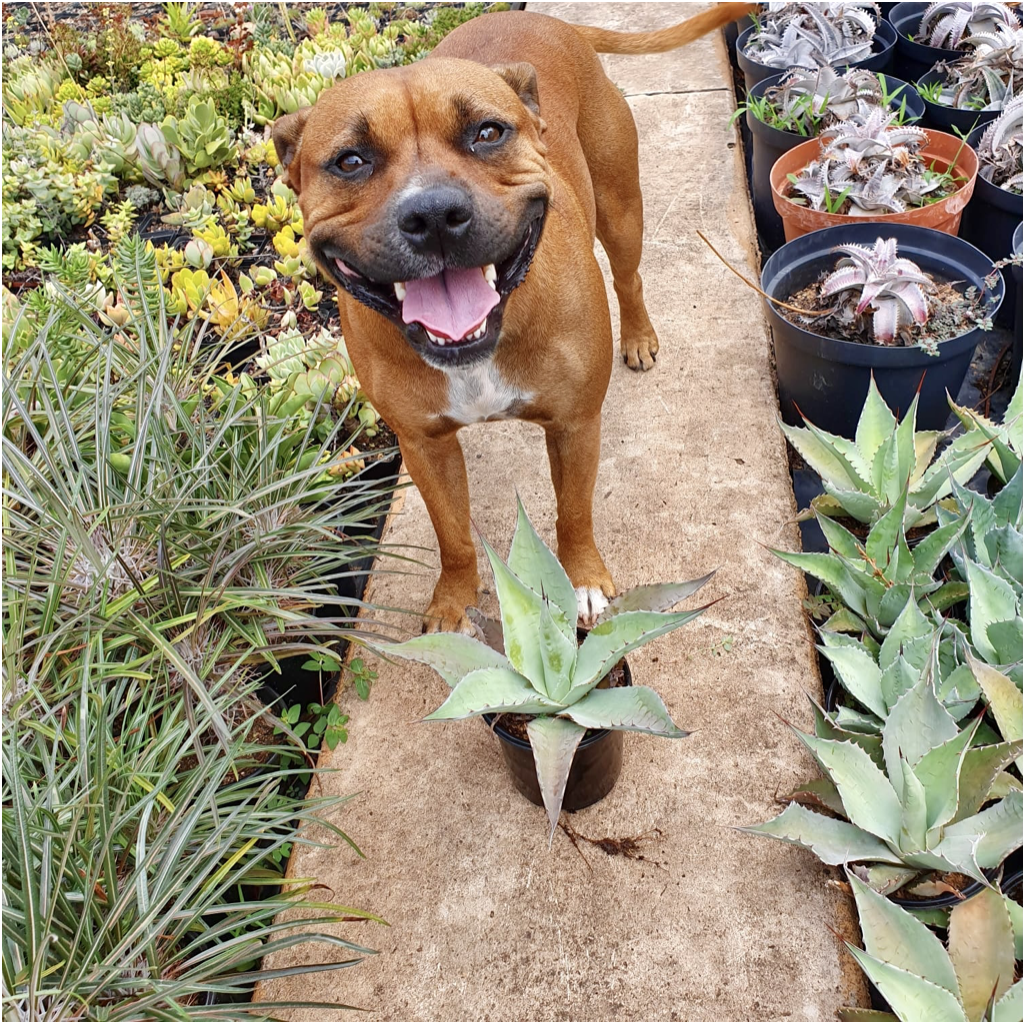
Agave vilmoriniana, commonly known as the “octopus agave” due to its long, wavy, and dramatic leaves, is a fascinating species in the Asparagaceae family. This plant is highly regarded for its unique appearance and impressive size, making it a standout feature in succulent collections and desert-inspired landscapes.
Common Characteristics:
- Size: Agave vilmoriniana is a relatively large species, forming a rosette that can grow up to 4 feet (1.2 meters) in diameter and can reach heights of 2 to 3 feet (60-90 cm). The plant’s long, twisting leaves give it a striking, octopus-like appearance.
- Leaves: The leaves of Agave vilmoriniana are long, narrow, and curving outward from the center of the rosette. They are a blue-green or grayish-blue in color and often have a waxy coating, which helps protect them from the harsh sun. The edges of the leaves are lined with small, fine spines, and the tips end in a dark, sharp spine.
- Flowers: This species produces a tall flower stalk, reaching up to 10 feet (3 meters) when mature. The flowers are typically greenish-yellow or pale yellow, and they bloom in late spring or early summer. Like many agaves, Agave vilmoriniana flowers once in its lifetime before it dies, but not before producing numerous offsets, which can be used for propagation.
- Shape: The most striking feature of Agave vilmoriniana is its “octopus-like” form, with long, twisting leaves that radiate from the center of the rosette. This dramatic growth habit adds a dynamic and bold visual element to any garden.
Native Habitat:
Agave vilmoriniana is native to the dry, arid regions of Mexico, particularly found in the states of Jalisco, Michoacán, and Colima. It thrives in rocky, well-draining soils and is adapted to survive in harsh, drought-prone environments. In its native habitat, it grows in open, sunny areas with minimal rainfall, relying on its thick, fleshy leaves to store water and survive long periods of dryness.
Care Instructions:
- Light: Agave vilmoriniana requires full sunlight to thrive. It should be placed in an area where it can receive at least 6 hours of direct sunlight per day. Partial shade can be tolerated but may result in slower growth and less vibrant coloration.
- Watering: As a drought-tolerant plant, Agave vilmoriniana needs very little water. Water the plant deeply but infrequently, allowing the soil to dry out completely between waterings. Overwatering can lead to root rot, so it’s essential to ensure proper drainage.
- Soil: Well-draining, sandy, or gritty soils are ideal for this agave. A cactus or succulent mix works well for container-grown plants. Good drainage is crucial to prevent water from accumulating at the roots, as the plant is susceptible to rot in waterlogged conditions.
- Temperature: This species is hardy in USDA zones 9b to 11, meaning it can tolerate temperatures down to 25°F (-4°C) for short periods. However, in areas with colder winters, it’s best to grow it in containers that can be brought indoors during frost. It prefers warm, dry climates with temperatures between 70-90°F (21-32°C).
- Fertilization: Fertilizing Agave vilmoriniana is not necessary but can encourage faster growth during the growing season. Use a balanced, low-nitrogen fertilizer once or twice a year. Over-fertilizing can lead to excessive, weak growth.
- Pruning: Pruning is not required for Agave vilmoriniana, but dead or damaged leaves can be removed for aesthetic purposes. The plant will produce offsets over time, which can be separated and propagated if desired.
Unique and Special Feature:
What sets Agave vilmoriniana apart from other agave species is its unique leaf shape and structure. The long, twisting, “octopus-like” leaves make it a visually striking plant that is both dramatic and elegant. It’s a perfect choice for creating a focal point in xeriscapes, rock gardens, or modern landscapes. Additionally, this agave’s ability to thrive with minimal care, combined with its unusual appearance, makes it a favorite among collectors and garden enthusiasts.
Fun Fact: The “octopus” nickname comes from the plant’s long, twisting leaves that appear to reach out in various directions. This striking, almost alien-like appearance has made it a popular choice for landscape designers and succulent lovers alike. Despite its unusual form, it’s remarkably low-maintenance, making it an excellent choice for those looking to add a bold yet easy-to-care-for plant to their garden or home.
Below are some species we are familiar with…
Agave americana mediopicta alba
Agave applanata creme spike
Agave colorata
Agave confederate rose
Agave creme brulee
Agave filifera
Agave geminiflora
Agave isthmensis
Agave isthmensis variegata
Agave kichiokan
Agave lophantha
Agave ovatifolia
Agave parryi
Agave parryi huachucensis
Agave parryi truncata
Agave stricta
Agave titanota
Agave toumeyana
Agave vilmoriniana
Agave victoriae-reginae
Agave victoriae-reginae picasso
Agave victoriae-reginae snow princess
Agave rum runner