
Agave kichiokan
Agave kichiokan – The Crown of Luck
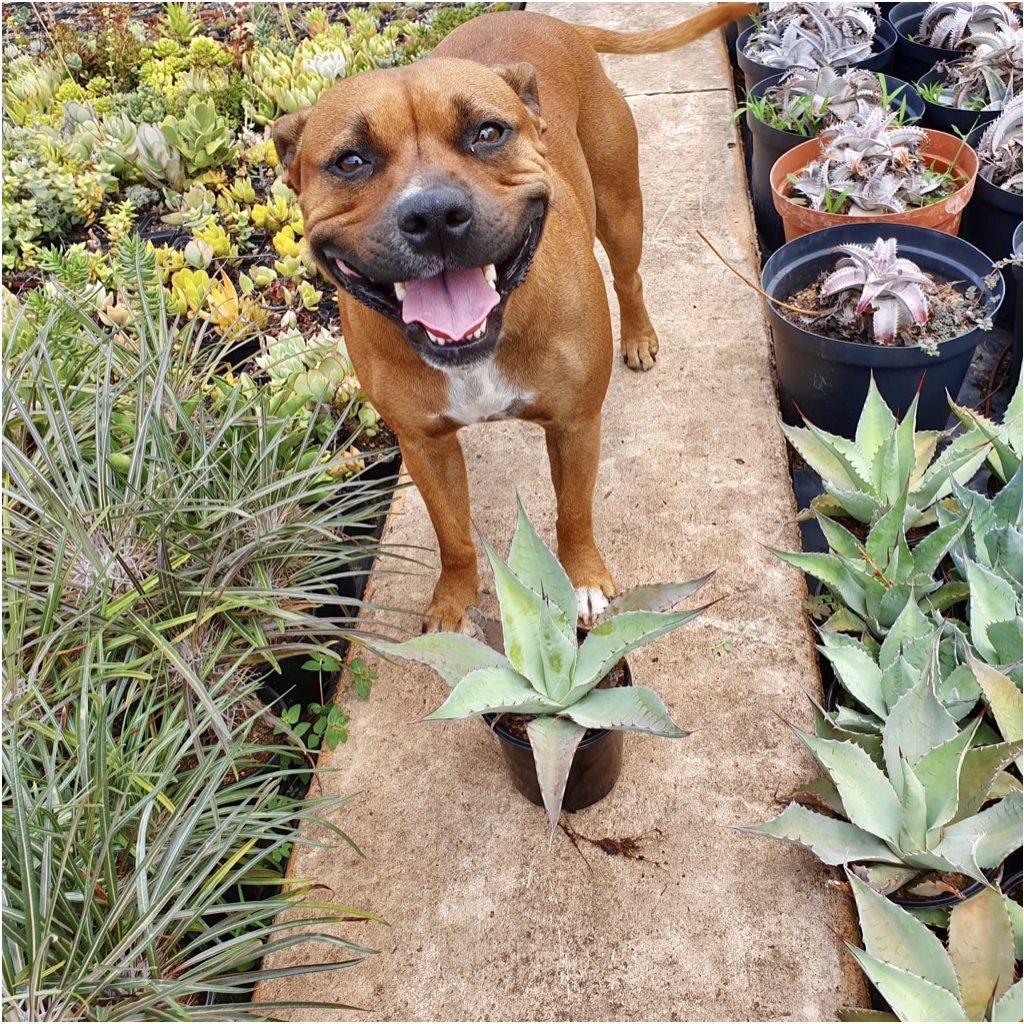
Agave kichiokan, a lesser-known species in the Agave genus, belongs to the family Asparagaceae. It is a relatively small and robust agave that stands out with its unique features and the specific environmental conditions it thrives in.
Common Characteristics:
- Size: Agave kichiokan typically grows in a rosette formation, reaching around 2 to 3 feet (60 to 90 cm) in diameter. It remains compact, making it ideal for smaller gardens or container planting.
- Leaves: The leaves of Agave kichiokan are narrow, succulent, and lanceolate, with a bluish-green to grayish-green coloration. They have a distinct, rigid texture, and the edges may be lined with small spines. The tips of the leaves are often adorned with a sharp, reddish-brown spine.
- Growth Habit: Agave kichiokan forms a solitary rosette, unlike some agave species that produce offsets or pups. The slow-growing nature of this agave means that it remains relatively small for many years, making it suitable for container planting.
- Flowering: Like many agaves, Agave kichiokan produces a tall flowering stalk once it reaches maturity, though this may take several years. The flowers are typically yellow to greenish-yellow, and the inflorescence can rise several feet above the rosette, characteristic of the Agave genus.
Native Habitat:
Agave kichiokan is native to the arid regions of Mexico, specifically the state of Jalisco. It grows in rocky, well-drained soils at higher elevations where it enjoys full sun exposure. The plant has adapted to survive in the dry, warm conditions of its native environment, making it highly drought-tolerant once established.
Care Instructions:
- Light: This species prefers full sun but can tolerate partial shade, particularly in areas with very hot summers. The best results come from growing it in direct sunlight for at least 6 hours a day.
- Watering: As with most agaves, Agave kichiokan is highly drought-tolerant. Water the plant deeply, allowing the soil to dry out completely between waterings. Overwatering can lead to root rot, so it is important to maintain good drainage.
- Soil: Agave kichiokan requires well-draining soil. A cactus or succulent-specific mix, amended with sand or pumice, is ideal. This helps prevent water from accumulating around the roots and ensures the plant’s health.
- Temperature: It is best suited for USDA hardiness zones 9b to 11. Agave kichiokan is not frost-tolerant, and temperatures below 20°F (-6°C) can damage the plant. In colder climates, it can be grown in containers and brought inside during winter.
- Fertilization: Feed Agave kichiokan sparingly with a diluted, balanced fertilizer designed for succulents during the growing season (spring through early autumn). Avoid fertilizing in the winter when the plant is dormant.
Unique and Special Feature:
Agave kichiokan stands out for its slow-growing nature and striking leaf structure. Its compact size and blue-gray foliage make it a fantastic ornamental plant, especially for xeriscapes and small succulent gardens. It is also prized by collectors for its rarity and the unique appearance of its leaves, which differ from other agaves in terms of their size and shape.
One unique characteristic is that this species rarely offsets, making it a solitary agave that does not spread widely, which can be a plus for those looking for a more controlled growth pattern. Additionally, its resistance to drought and minimal maintenance requirements make it a resilient choice for those who prefer low-maintenance plants with a bold, architectural presence in their gardens.
Fun Fact: The name kichiokan is believed to come from a local indigenous term or reference, though its exact meaning is tied to the plant’s discovery and history in Mexico, further adding to its charm and cultural significance.
Below are some species we are familiar with…
Agave americana mediopicta alba
Agave applanata creme spike
Agave colorata
Agave confederate rose
Agave creme brulee
Agave filifera
Agave geminiflora
Agave isthmensis
Agave isthmensis variegata
Agave kichiokan
Agave lophantha
Agave ovatifolia
Agave parryi
Agave parryi huachucensis
Agave parryi truncata
Agave stricta
Agave titanota
Agave toumeyana
Agave vilmoriniana
Agave victoriae-reginae
Agave victoriae-reginae picasso
Agave victoriae-reginae snow princess
Agave rum runner