
Agave geminiflora
Agave geminiflora- The Twin Flower Agave
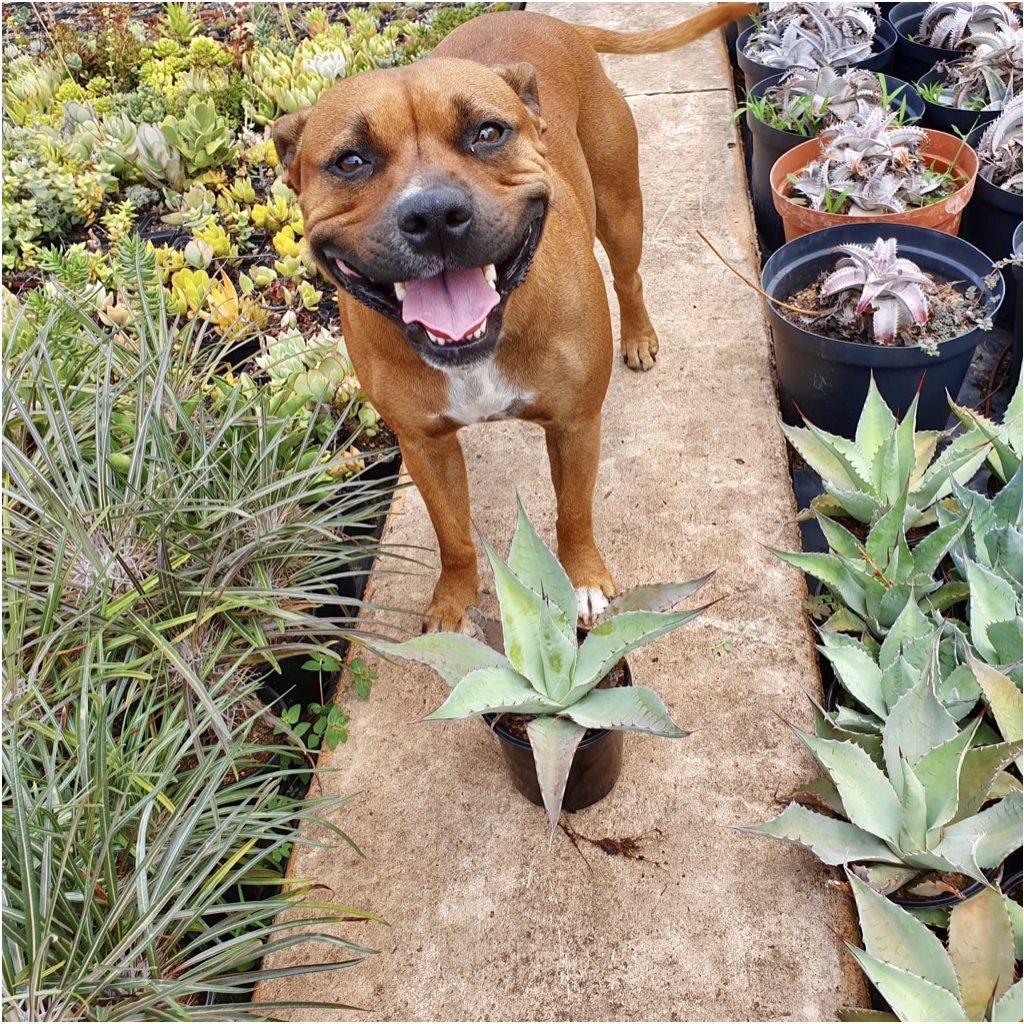
Agave geminiflora, also known as the twin-flowered agave, is a unique species of agave that belongs to the Asparagaceae family. This species is particularly noted for its slender, arching leaves and beautiful flowering spike, making it a striking addition to any garden or collection.
Common Characteristics:
- Size: Agave geminiflora is a medium-sized agave that typically reaches a height of 2 to 3 feet (60 to 90 cm) and can spread to about 4 to 6 feet (1.2 to 1.8 meters) in diameter as it matures.
- Leaf Structure: The leaves are long, narrow, and smooth, forming a loose, open rosette. They are usually a blue-green color with a slight glaucous coating and may have sharp, reddish-brown spines along the edges and a terminal spine at the tip.
- Flowering: This species produces a tall flowering spike (sometimes up to 15 feet or more) with unique, twin-flowered clusters. The flowers themselves are tubular, often white or pale yellow, and appear in groups of two at each node, hence the name “geminiflora” (meaning “twin-flowered”).
- Growth Habit: It has a compact, clump-forming growth habit. Over time, the plant can offset and form a small colony, though it remains relatively slow-growing.
Native Habitat:
Agave geminiflora is native to the high-altitude regions of southern Mexico and Central America, including areas in Oaxaca and Guatemala. It thrives in rocky, dry soils found in open, arid landscapes and mountainous regions. Its native habitat provides it with plenty of sun and well-draining conditions, ideal for this species to survive and flourish.
Care Instructions:
- Light: Agave geminiflora prefers full sun, which helps it maintain its vibrant color and grow more vigorously. It can tolerate some light shade, but full sunlight is ideal for its overall health.
- Watering: This species is drought-tolerant, so it requires infrequent watering. Allow the soil to dry out completely between waterings, and reduce water during the winter months when the plant is dormant.
- Soil: Like other agaves, Agave geminiflora requires well-draining soil. A cactus or succulent mix works best, or you can add sand and perlite to increase drainage. Ensure that the pot or garden bed does not retain excess moisture.
- Temperature: It thrives in warm, dry conditions. The plant is hardy in USDA zones 9b to 11 and can tolerate temperatures down to 20°F (-6°C) for short periods. However, it should be protected from frost.
- Fertilization: Fertilize sparingly during the growing season (spring and summer) with a balanced, diluted fertilizer formulated for succulents or cacti. Avoid over-fertilizing, which can lead to weak, leggy growth.
Unique and Special Feature:
One of the most distinctive features of Agave geminiflora is its unique flowering behavior. Unlike many agave species that flower once and die (a process known as monocarpic flowering), Agave geminiflora is capable of flowering multiple times throughout its life. Its striking twin-flowered blooms appear on tall, branching inflorescences that can create a spectacular display, especially in full bloom. The flowers’ delicate appearance, combined with the plant’s long, narrow leaves, gives it an elegant, graceful look.
Another special characteristic of Agave geminiflora is its relatively small size compared to other agave species, making it a great choice for gardens with limited space or for container planting. Additionally, its ability to form clumps and the unique twin-flower spike add interest and architectural beauty to any landscape. This agave is an excellent specimen plant for xeriscaping, requiring minimal water once established.
In terms of care, Agave geminiflora is relatively low-maintenance, making it suitable for novice succulent growers and collectors. It is a long-lasting and resilient plant, and its unique appearance and flowering pattern make it a true standout in any garden.
Below are some species we are familiar with…
Agave americana mediopicta alba
Agave applanata creme spike
Agave colorata
Agave confederate rose
Agave creme brulee
Agave filifera
Agave geminiflora
Agave isthmensis
Agave isthmensis variegata
Agave kichiokan
Agave lophantha
Agave ovatifolia
Agave parryi
Agave parryi huachucensis
Agave parryi truncata
Agave stricta
Agave titanota
Agave toumeyana
Agave vilmoriniana
Agave victoriae-reginae
Agave victoriae-reginae picasso
Agave victoriae-reginae snow princess
Agave rum runner