
Bromeliaceae
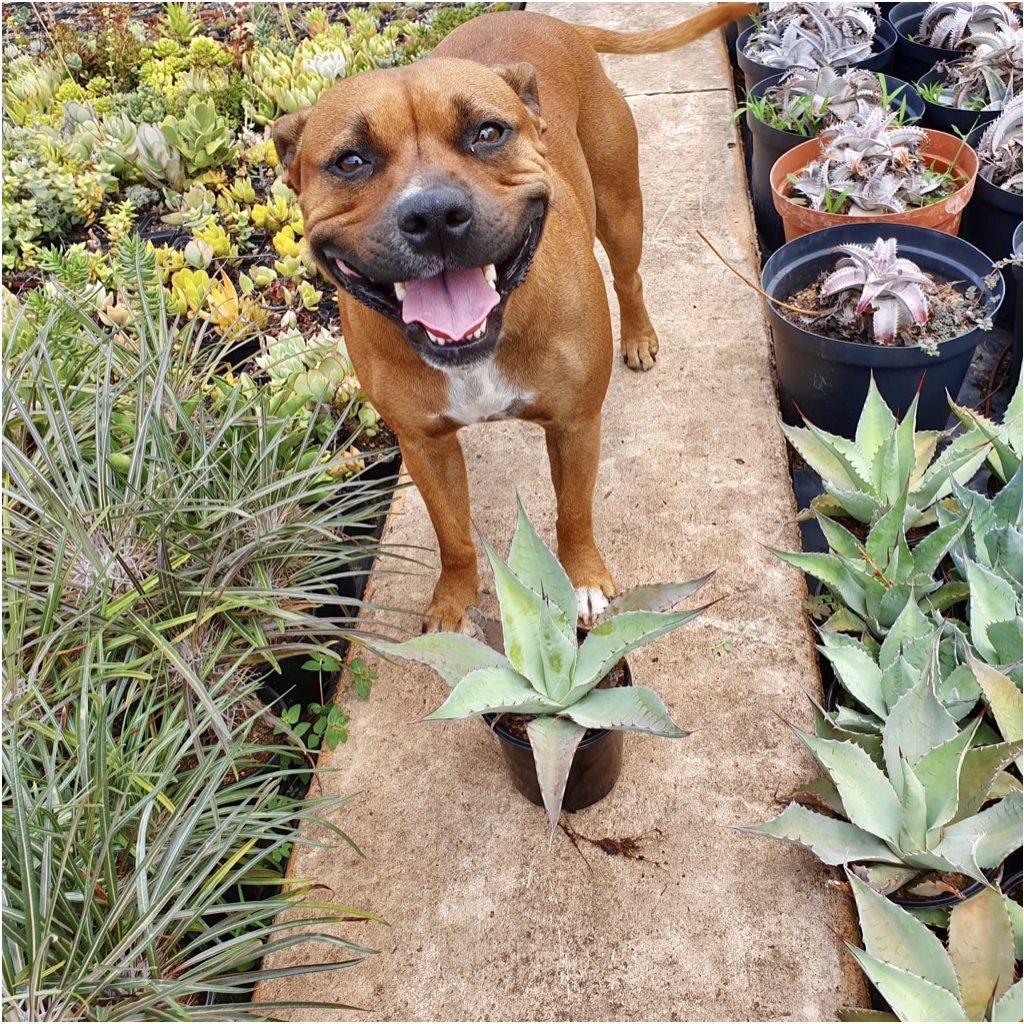


Family: Bromeliaceae
The Bromeliaceae family, commonly known as the bromeliads, is a diverse and vibrant group of flowering plants comprising over 3,000 species across approximately 75 genera. Known for their striking foliage and unique growth forms, bromeliads are treasured as both ornamental and ecologically important plants.
Common Characteristics
- Growth Forms: Includes terrestrial, epiphytic (growing on trees), and saxicolous (growing on rocks) species. Many are rosette-forming.
- Leaves: Often thick, leathery, and arranged in a rosette. Leaves can be spiny or smooth and come in a range of colors, often with variegation or unique patterns.
- Flowers: Small, tubular, and often vividly colored, bromeliad flowers grow on spikes or inflorescences. Many are long-lasting and complemented by brightly colored bracts.
- Reproduction: Propagate via offsets or “pups” that grow around the base of the mother plant. Some species also produce seeds.
- Habitats: Found in a wide variety of habitats, from rainforests and cloud forests to arid deserts.
Native Habitat and Origins
The Bromeliaceae family is native to the Americas, primarily distributed in tropical and subtropical regions. Brazil is considered the biodiversity hotspot for bromeliads, but they are also found as far north as the southern United States and as far south as Argentina. One species (Pitcairnia feliciana) is native to West Africa, making it a unique exception in the family.
Care Guide for Bromeliads
- Light: Provide bright, indirect light for most species. Terrestrial species tolerate more sunlight, while epiphytic species prefer filtered light.
- Watering: Fill the central “tank” or rosette with water for tank-forming species and keep the soil slightly moist for terrestrial ones. Avoid waterlogging.
- Humidity: Bromeliads thrive in high humidity but can adapt to lower levels with occasional misting.
- Soil: Use well-draining, airy soil. A mix of orchid bark, peat, and sand works well for epiphytes. Terrestrial bromeliads prefer a loamy mix.
- Temperature: Warm temperatures between 60–80°F (15–27°C) are ideal. Protect from frost.
- Fertilizer: Use a diluted liquid fertilizer during the growing season, applying sparingly to avoid salt buildup.
- Propagation: Allow offsets (pups) to mature before separating them from the mother plant.
Unique and Special Feature: The Water-Storing “Tank”
One of the most fascinating features of many bromeliads is their ability to form a central water-storing “tank” from tightly overlapping leaves. This adaptation allows them to collect rainwater, nutrients, and organic debris, supporting a miniature ecosystem within the plant.
Some species, like Tillandsia usneoides (Spanish moss), are entirely rootless and absorb water and nutrients directly through their leaves, showcasing extraordinary adaptability. Additionally, bromeliads are known for their role in supporting biodiversity, providing habitat for frogs, insects, and other organisms in their natural environments.