
Abromeitiella
Genus Abromeitiella – Deuterochnia
The genus Abromeitiella belongs to the family Bromeliaceae and is known for its unique and attractive appearance. These plants are relatively small but distinctive, and they are part of a group of bromeliads that feature a wide range of colors, textures, and growth habits. Key characteristics of Abromeitiella include:
- Rosette Growth: Like most bromeliads, Abromeitiella plants grow in a rosette formation, with long, narrow leaves arranged in a circular pattern. The leaves are typically stiff and may have a leathery texture. The rosettes are often compact and can give the plant a dense, bushy look.
- Leaf Color and Texture: The leaves of Abromeitiella species are often green, though some species can have a bluish or reddish tinge, especially when grown in bright light. The leaves are typically covered with fine, white scales or a velvety coating, giving them a slightly silvery appearance. The texture can be waxy, helping the plant conserve water in its native environment.
- Inflorescence: One of the most striking features of Abromeitiella is its flowering spike, which emerges from the center of the rosette. The flowers are tubular and often brightly colored, with hues of red, orange, or yellow. The flowering spike can be quite dramatic, adding a vibrant splash of color to the plant. Flowers typically bloom in clusters, creating an eye-catching display. After flowering, the plant may produce offsets or pups that can be propagated.
- Size: Abromeitiella species are generally compact plants, with rosettes that can range in size from a few inches to about a foot (30 cm) in diameter. These plants remain relatively small, making them suitable for indoor spaces or smaller gardens.
- Epiphytic Nature: Many species of Abromeitiella are epiphytes, meaning they naturally grow on trees or rocks rather than in the soil. They gather nutrients and moisture from the air and rainfall, rather than from the ground. This epiphytic lifestyle influences their care requirements, particularly in terms of humidity and watering practices.
- Flowering Habit: The flowering of Abromeitiella is a noteworthy event. The blooms appear as a spike or raceme rising from the rosette. The flowers themselves are often tubular and attract pollinators like bees or hummingbirds in their native environments.
Native Range:
Abromeitiella plants are native to the mountainous regions of South America, particularly in countries like Peru and Ecuador. These plants are typically found growing at higher elevations, where they thrive in cooler temperatures and misty, humid environments. Their natural habitats include cloud forests and areas with high humidity but good air circulation. Being epiphytic, they often grow on trees or rocky outcrops, where they have access to moisture and nutrients from the air and rain.
Care Tips:
- Light: Abromeitiella plants prefer bright, indirect light. They can tolerate some direct sunlight, especially in the morning or late afternoon, but strong midday sun can scorch their delicate leaves. When grown indoors, placing them near a bright window with filtered light is ideal. If growing them outdoors, they thrive in dappled shade or filtered light, such as under the canopy of taller trees.
- Watering: As epiphytes, Abromeitiella plants do not require the same amount of water as typical terrestrial plants. They prefer to be watered from above, allowing water to collect in the central rosette. It is important to keep the rosette free from stagnant water to prevent rot. The soil should be allowed to dry out between waterings, but the plant will benefit from higher humidity. During the growing season, water regularly, but reduce watering in the winter months.
- Soil: Abromeitiella plants thrive in well-draining, slightly acidic soil. A bromeliad or orchid mix works well, as it provides good aeration and moisture retention. For those growing Abromeitiella in pots, ensure that the container has drainage holes to prevent excess moisture buildup. These plants also do well when grown mounted on wood or bark, mimicking their natural epiphytic growth habit.
- Temperature: Being native to the cool cloud forests of South America, Abromeitiella plants prefer moderate temperatures. They thrive in temperatures ranging from 60°F to 75°F (16°C to 24°C) and do not tolerate extreme heat or cold. It’s best to keep them in a room with consistent temperatures and avoid placing them in areas with cold drafts or high heat sources.
- Humidity: High humidity is essential for Abromeitiella plants, especially since they are native to regions with frequent rain and mist. Indoors, they can benefit from being placed in a humid environment, such as a bathroom or kitchen, or near a humidifier. Regular misting can also help raise the humidity around the plant.
- Fertilization: Feed Abromeitiella with a diluted, balanced fertilizer during the growing season (spring through summer) to encourage healthy growth and vibrant blooms. Bromeliad-specific fertilizers or those formulated for epiphytic plants are ideal. Avoid fertilizing in the winter when the plant is resting. Fertilization should be done sparingly to avoid overfeeding.
- Pruning and Maintenance: After blooming, the parent plant may die back, but it will often produce offsets, or pups, that can be propagated to create new plants. These pups can be gently separated and potted up once they have developed a few roots. Remove any dead leaves or spent flower spikes to keep the plant looking tidy. However, don’t remove too many leaves, as they help the plant retain moisture.
- Pests and Diseases: Abromeitiella plants are relatively pest-resistant, but they can sometimes attract scale insects, aphids, or mealybugs. If these pests are detected, they can be removed by gently wiping the affected areas with a cotton swab dipped in rubbing alcohol. Keep an eye out for signs of rot, particularly at the base of the plant or within the rosette, which may be caused by overwatering or poor drainage.
Unique and Special Aspects:
One of the most special aspects of Abromeitiella plants is their epiphytic lifestyle and the unique adaptations they have developed to thrive in the high-altitude, mist-laden cloud forests of South America. These plants are well-suited to grow in areas with frequent rain but poor soil, and their ability to collect moisture and nutrients directly from the air makes them fascinating examples of plant adaptation to challenging environments.
Additionally, Abromeitiella species are part of a smaller, lesser-known group within the bromeliad family, and they are relatively rare in cultivation. Because of their unique appearance, with their stiff, sometimes spiny leaves and striking inflorescences, they can be a showstopper in any collection of bromeliads or epiphytic plants. Their resilience to drought and their ability to thrive in environments with little soil make them an excellent choice for gardeners interested in low-maintenance plants with a tropical aesthetic.
In conclusion, Abromeitiella is a unique genus of bromeliads, offering a distinctive blend of beauty and adaptability. With the right care, these plants can thrive indoors or in specialized outdoor environments, providing vibrant color and a touch of tropical flair to any space.
Below are some species we are familiar with…
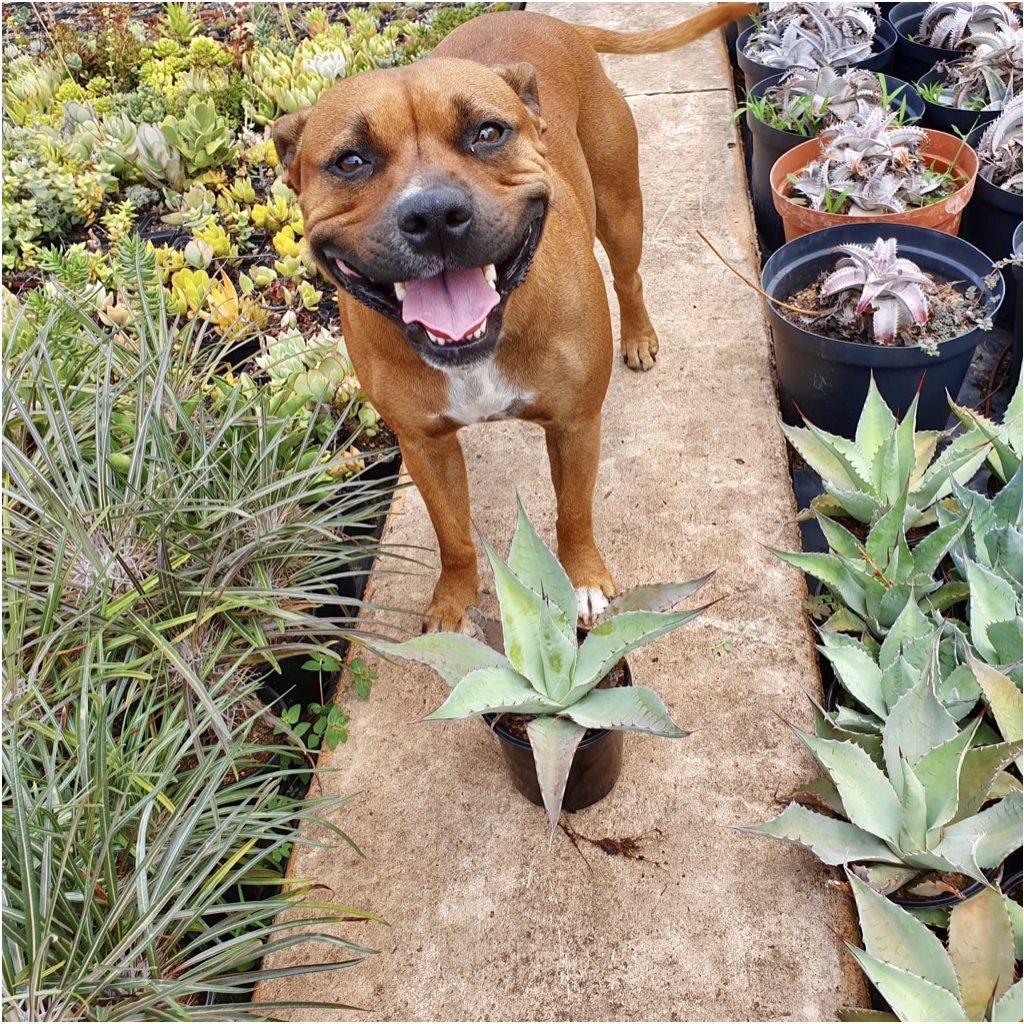
Abromeitiella brevifolia