
Anacampserotaceae
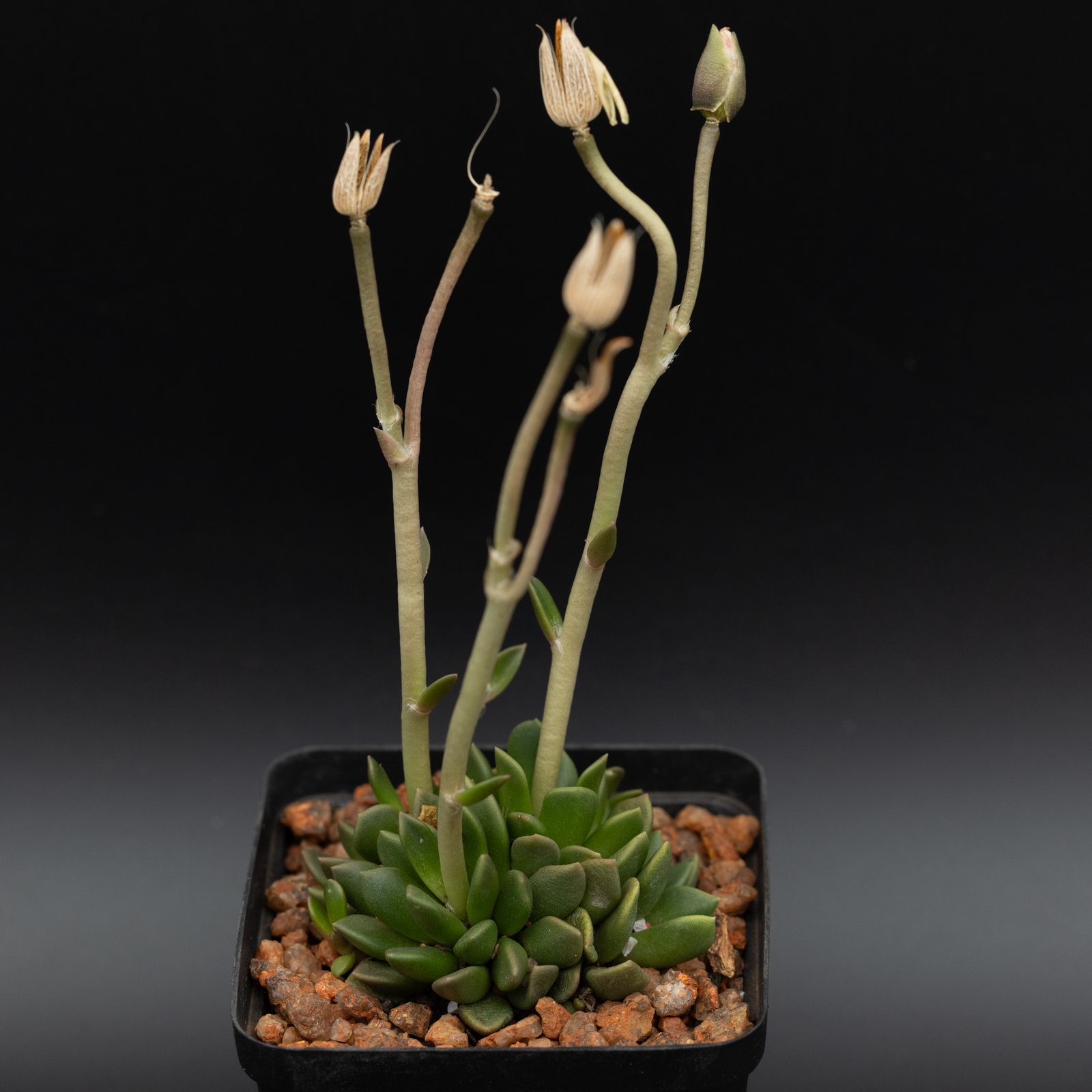
Anacampserotaceae – The Anacampseros Family
The family Anacampserotaceae is a small family of succulent plants that includes several genera, such as Anacampseros, Grahamia, and Talinum. Known for their charmingly small and fleshy leaves, vibrant colors, and resilience in harsh environments, plants in this family are prized by succulent enthusiasts and collectors. This family was previously included in the family Portulacaceae, but genetic studies led to its recognition as a distinct group.
Common Characteristics
- Leaf Structure: Plants in Anacampserotaceae have thick, fleshy leaves that store water, a key adaptation for their native arid environments. Leaves are often arranged in rosettes or spirals, giving the plants a compact and low-growing form.
- Stem and Growth Habit: The stems of these plants may be upright or creeping, and many species form small clumps or mats, making them ideal for container gardens or as ground cover.
- Flowering: Flowers are typically small but striking, with bright pink, white, or yellow petals. They are usually star-shaped and bloom at the tips of the plant, creating a delightful contrast against the succulent leaves.
- Color: Leaves can be green, purplish, or even covered in a light fuzz, depending on the species, with some plants developing vibrant colors when exposed to bright light or drought conditions.
Native Habitat and Origins
Members of the Anacampserotaceae family are native to arid and semi-arid regions of the Americas, Africa, and Australia, with a particular concentration in South Africa and parts of South America. They grow in dry, rocky soils where they receive plenty of sunlight but limited water, making them highly drought-tolerant.
Care Guide for Anacampserotaceae Plants
To care for plants in the Anacampserotaceae family successfully, it’s essential to mimic the dry, sunny conditions of their natural habitats:
- Soil: Use a well-draining, sandy or gritty soil mix, like a cactus or succulent blend, to prevent water from accumulating around the roots.
- Watering: Water sparingly and only when the soil is completely dry. During winter dormancy, water even less frequently. Overwatering can lead to root rot, so always err on the side of caution.
- Light: These plants prefer bright, direct sunlight. Indoors, place them in a sunny window, or outdoors, provide full sun to partial shade. Bright light helps maintain compact growth and vibrant leaf colors.
- Temperature: Plants in this family tolerate a wide range of temperatures but prefer warm conditions. Most species are not frost-tolerant, so they should be protected or brought indoors in winter if temperatures drop below 40°F (4°C).
- Fertilization: Fertilize sparingly, using a low-nitrogen fertilizer diluted to half strength, once during the active growing season.
Unique Feature: Tuberous Roots and Regrowth
A remarkable and unique trait in many Anacampserotaceae plants is their tuberous root system, which allows them to store water and nutrients underground. This feature enables them to survive in extremely dry environments and to regrow even if the above-ground portion of the plant is damaged or dies back during drought. This resilience and ability to “return to life” make Anacampserotaceae plants a symbol of tenacity and regeneration, beloved by collectors who admire their robust yet graceful appearance.