
Ornithogalum lithopsoides
Ornithogalum lithopsoides – The Star of Bethlehem
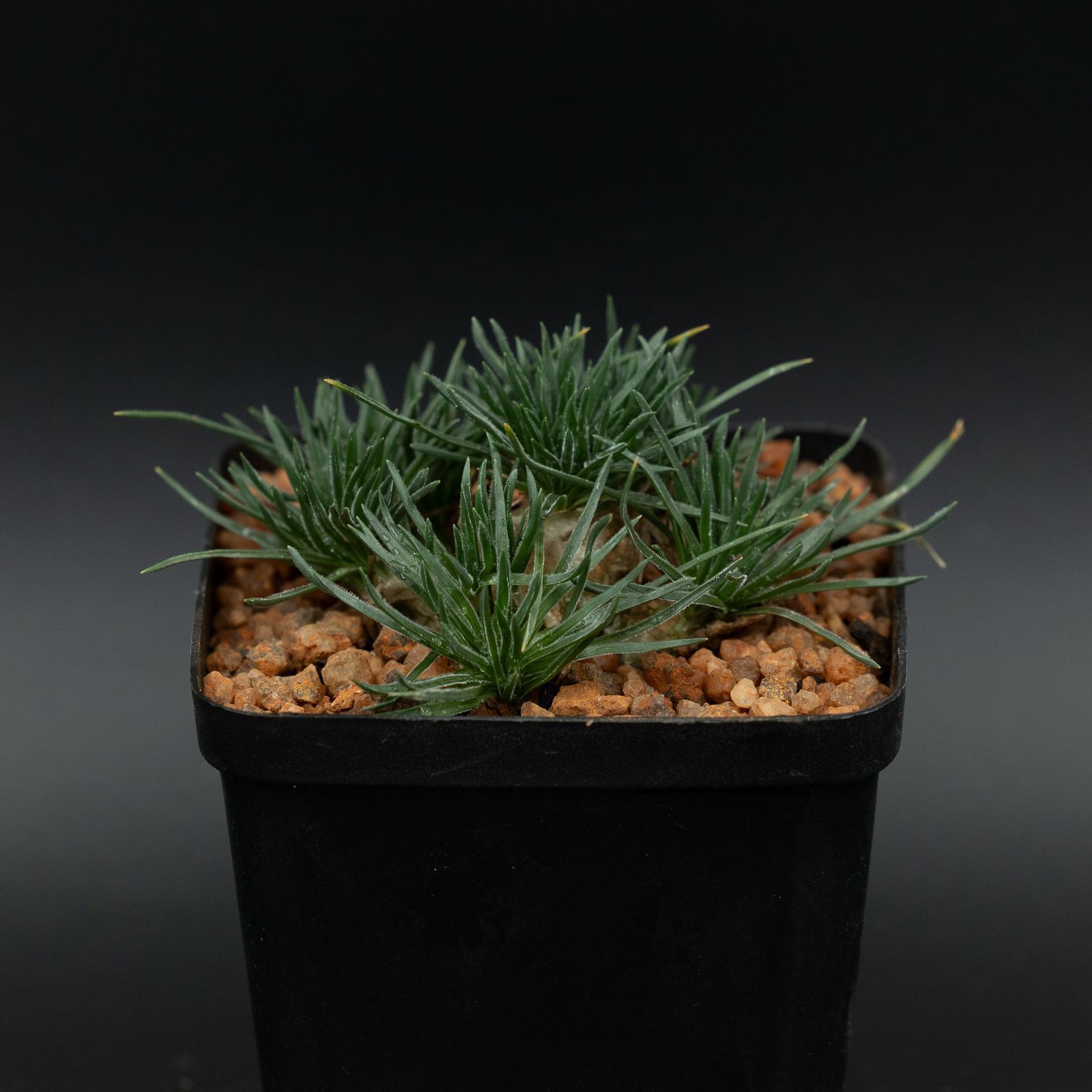
Ornithogalum lithopsoides, a member of the Asparagaceae family, is a lesser-known yet fascinating species of flowering plant that is highly valued by succulent and bulb enthusiasts. Native to regions of South Africa, this species boasts unique characteristics that set it apart from other Ornithogalum varieties. It’s often prized for its hardy nature and distinctive flower structure.
Common Characteristics:
- Foliage: Ornithogalum lithopsoides has narrow, lance-shaped, green leaves that emerge from the base of the plant. The leaves are typically thick, fleshy, and somewhat succulent, helping the plant store water for periods of drought. These leaves grow in a rosette formation, giving the plant an attractive and compact appearance.
- Flowers: The flowers are a defining feature of this species. They are star-shaped, white to pale greenish-white, and typically appear in late winter to early spring. Each flower has six petals, and they bloom in clusters that rise above the leaves. The blooms are often slightly scented, though subtle. This blooming period is one of the main highlights for gardeners, as the contrast between the pale flowers and dark foliage is visually striking.
- Size and Growth: Ornithogalum lithopsoides is a small to medium-sized plant that typically grows between 8–12 inches (20–30 cm) in height. It has a compact growth habit, which makes it an excellent plant for containers, rock gardens, and as part of xeriscaped landscapes. It forms a cluster of rosettes, with a slow but steady growth pattern.
Native Habitat:
This species originates from the arid regions of South Africa, where it grows in well-drained soils. Like many plants from this area, it is adapted to survive in harsh environments with little water, making it an ideal choice for drought-tolerant gardens. It typically thrives in rocky outcrops, dry hillsides, and areas with full sun exposure.
Care Instructions:
- Light: Ornithogalum lithopsoides thrives in full sun but can tolerate partial shade, especially in hotter climates. However, it does best in bright, indirect light, which encourages healthy growth and abundant blooms. A sunny windowsill or an outdoor garden bed with good exposure to sunlight is ideal.
- Watering: Like many plants native to arid regions, Ornithogalum lithopsoides is drought-tolerant and prefers to be watered sparingly. It is best to let the soil dry out completely between waterings, especially during the winter months when the plant is not actively growing. Overwatering can lead to root rot, so it’s essential to ensure good drainage. During the growing season (spring to summer), occasional watering is sufficient, but reduce watering during the plant’s dormant period in the fall and winter.
- Soil: This species prefers well-drained, sandy, or rocky soils that are slightly acidic to neutral. If growing indoors, a cactus or succulent mix will provide the ideal drainage and texture. Outdoors, it can thrive in gravelly or sandy soil with added organic matter for fertility.
- Temperature: Ornithogalum lithopsoides is well-suited to warmer climates and prefers temperatures between 60°F and 80°F (15°C to 27°C). It can tolerate brief periods of cold but should be protected from frost, as it is not frost-hardy. In colder regions, it’s recommended to grow it in containers so it can be brought indoors during the winter.
- Fertilization: This plant does not require much fertilization, as it is adapted to nutrient-poor soils in its native habitat. However, during the growing season, it can benefit from occasional feeding with a balanced, diluted fertilizer. Use a low-nitrogen fertilizer to avoid promoting excessive leaf growth at the expense of flowers.
Unique and Special Feature:
Ornithogalum lithopsoides stands out not only for its striking flowers and succulent-like foliage but also for its resilience in challenging growing conditions. Its ability to thrive in rocky, well-drained soils with minimal water makes it an excellent choice for xeriscaping and low-maintenance gardens. It’s also notable for its distinctive, star-shaped flowers, which add a touch of elegance and interest to any garden or indoor space. The plant’s drought tolerance and minimal care needs make it an ideal choice for succulent collectors and gardeners seeking hardy, attractive plants.
Below are some species we are familiar with…
Ornithogalum juncifolium