
Gasteria brachyphylla
Gasteria brachyphylla – Klein Karoo Ox-Tongue
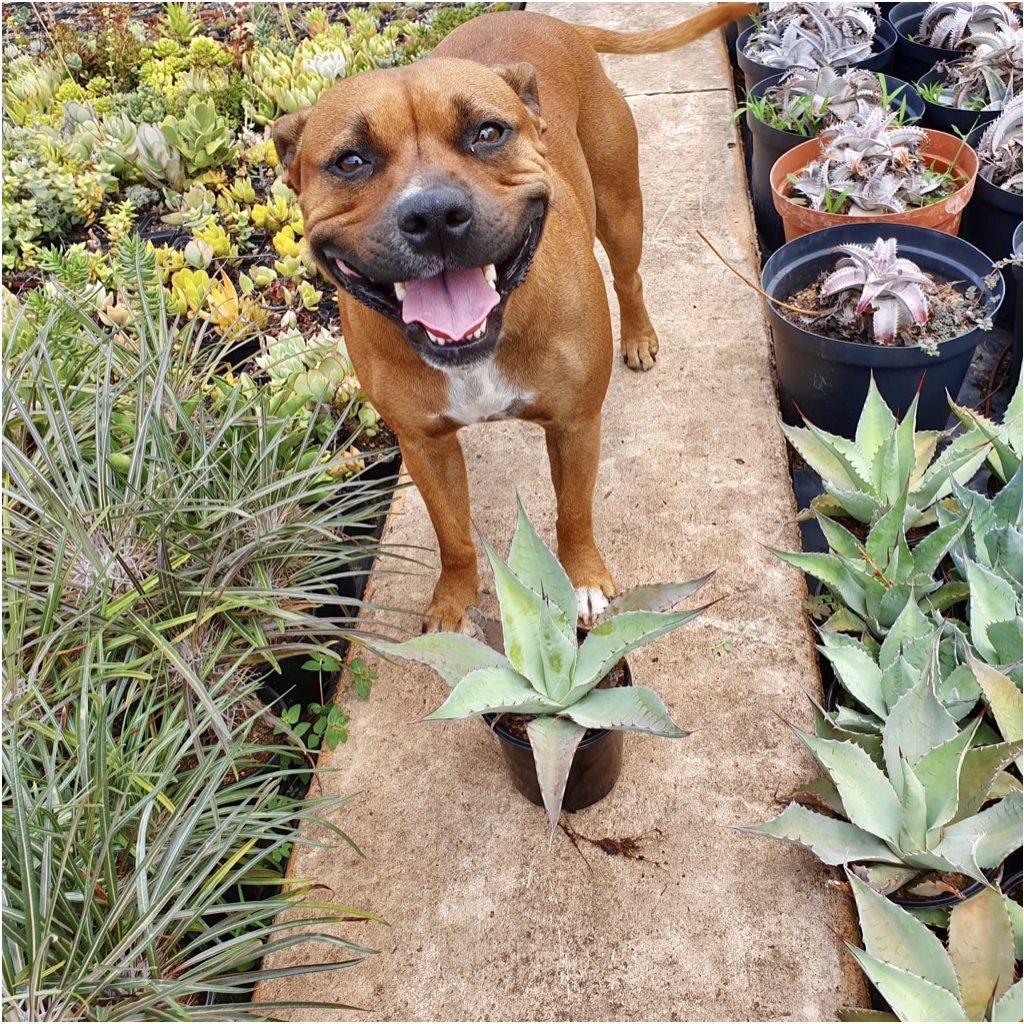
Gasteria brachyphylla is a small, compact succulent species known for its attractive, fleshy leaves. The leaves are usually arranged in two opposite rows (distichous) when young and may spiral as the plant matures. They are short, thick, and pointed, with a smooth or slightly rough texture, often adorned with white spots or patterns against a green base. This species is slow-growing and remains relatively petite, making it an excellent choice for container gardening. During its blooming season, it produces tubular, reddish-pink flowers on a slender stalk, which attract pollinators.
Native Range:
This species is native to the arid regions of South Africa, particularly in the Eastern Cape. It typically grows under shrubs or among rocks, benefiting from dappled sunlight and well-drained soils.
Care Tips:
- Light: Provide bright, indirect light or partial shade. It thrives in morning sunlight but should be protected from harsh afternoon sun.
- Water: Allow the soil to dry out completely between waterings. Overwatering can cause root rot, especially in poorly draining soil.
- Soil: Use a well-draining succulent or cactus soil mix. Adding sand or pumice can improve drainage.
- Temperature: Prefers temperatures between 60-80°F (15-27°C). Protect from frost or prolonged cold exposure.
- Feeding: Feed sparingly with a diluted cactus or succulent fertilizer during the growing season (spring and summer). Avoid fertilizing in winter when the plant is dormant.
- Propagation: Easily propagated from offsets or leaf cuttings. Let cuttings callous over before planting them in soil.
Unique and Special:
What sets Gasteria brachyphylla apart is its adaptability to shaded environments, making it a fantastic choice for indoor collections or low-light garden spots. Its charming, compact form and patterned leaves create an aesthetically pleasing display. Additionally, its traditional use in South African cultures for medicinal purposes adds a layer of historical and cultural significance to this resilient little succulent.
Below are some species we are familiar with…
Gasteria amabala
Gasteria armstrongii
Gasteria batesiana
Gasteria batesiana barberton
Gasteria brachyphylla
Gasteria glauca
Gasteria glomerata
Gasteria isomatsu
Gasteria polita