
Echeveria
Genus Echeveria – The Mexican Snowballs
The genus Echeveria consists of a wide variety of succulent plants known for their attractive rosette-shaped rosettes of thick, fleshy leaves. These plants are highly popular in both ornamental gardening and as houseplants due to their striking appearance and relatively easy care requirements. Echeveria species are known for their vibrant colors, with shades of green, blue, purple, and even red, and they often develop an elegant powdery coating of farina on their leaves, giving them a soft, silvery appearance.
- Leaves: The leaves of Echeveria species are typically thick, fleshy, and oval to lance-shaped. They form tight rosettes that can range in size from small, compact plants to large, impressive clusters. The leaf color can vary greatly depending on the species and environmental conditions, with common hues including pale green, bluish-gray, pinkish, or even purple tones. Many Echeveria plants exhibit a layer of farina (a powdery coating), which helps to protect the leaves from excess water loss.
- Flowers: Echeveria plants produce bell-shaped, tubular flowers that typically bloom on long, slender stems. The flowers are often brightly colored, ranging from yellow to pink, red, and orange, and they attract pollinators like bees, butterflies, and hummingbirds. Flowering usually occurs in the spring or summer, and the blooms are often borne in clusters or panicles above the foliage, creating an eye-catching display.
- Growth Form: Echeveria plants are typically low-growing, with their rosettes of leaves arranged symmetrically around the central stem. Some species remain compact, while others can grow in larger clusters or form small shrubs over time. In their natural environment, these plants are often found in dry, rocky or sandy areas where they grow in clumps, but in cultivation, they are popular as individual plants in containers, rock gardens, or hanging baskets.
- Size: Echeveria plants are highly variable in size, with some species growing only a few inches in diameter, while others can spread up to 12-18 inches (30-45 cm) wide. The height of the plant will vary depending on the species and growing conditions, with many species remaining relatively low and compact, while others may grow taller, especially when in bloom.
- Taxonomy: Echeveria is part of the Crassulaceae family, which also includes genera like Crassula, Kalanchoe, and Sedum. The genus contains over 200 species, many of which are hybrids or cultivars created for ornamental purposes. Echeveria plants are often included in succulent gardens, both for their beauty and their ability to thrive in xeriscaped environments.
Native Range:
Echeveria species are native to arid regions of Central America, Mexico, and parts of the southwestern United States. They are particularly common in dry, rocky soils, where they have adapted to store water in their fleshy leaves to survive prolonged drought periods. Some species of Echeveria are also found in high-altitude regions, where cooler temperatures prevail, and the plants are exposed to greater fluctuations in temperature and humidity. These succulents thrive in environments where rainfall is infrequent but can be stored in the plant’s tissues for longer periods.
Care Tips:
- Light: Echeveria plants require bright, indirect light for optimal growth. They can tolerate some direct sunlight, but too much intense sun, especially in the hottest part of the day, can scorch the leaves. When grown indoors, they should be placed near a south or west-facing window to receive adequate light. If growing outdoors, a sunny spot with partial shade during the hottest part of the day is ideal.
- Soil: Like most succulents, Echeveria requires well-draining soil. A cactus or succulent mix, or a homemade blend of regular potting soil with sand or perlite for improved drainage, works well. It’s important to avoid heavy, moisture-retaining soils, as these can cause root rot. A good drainage hole in the pot is crucial for preventing excess water from accumulating around the roots.
- Watering: Echeveria plants are drought-tolerant and prefer to be watered sparingly. During the growing season (spring and summer), water the plant thoroughly but allow the soil to dry out completely before watering again. In the winter, when the plant is typically dormant, water less frequently. Overwatering is a common issue with Echeveria, so it’s essential to let the soil dry out fully between waterings. Always ensure that the plant’s roots do not sit in water.
- Temperature: Echeveria thrives in warm conditions and prefers temperatures between 60°F and 85°F (15°C to 29°C). They are not frost-tolerant and should be brought indoors if grown in a colder climate during the winter months. In areas with frost, it is best to grow Echeveria in containers that can be moved to a protected location when temperatures drop.
- Humidity: Echeveria plants prefer dry air and do not do well in high humidity. They are well-suited for homes with low humidity or for growing in areas with dry, arid conditions. High humidity can lead to fungal diseases and rot, so it’s essential to avoid misting the plant or keeping it in overly damp environments.
- Fertilization: Echeveria does not require much fertilizer. During the growing season, you can feed the plant with a diluted, balanced liquid fertilizer formulated for succulents, but it’s best to fertilize lightly and infrequently. Over-fertilizing can lead to weak, leggy growth, so it’s better to err on the side of caution. Fertilizing in the winter is generally unnecessary, as the plant is in a dormant phase.
- Pruning and Maintenance: Pruning is not usually required for Echeveria plants, but removing dead or damaged leaves can help maintain the plant’s aesthetic and overall health. Additionally, some Echeveria species may produce offsets (pups) around the base of the plant. These can be separated and potted up to propagate new plants. Keep an eye on the plant for any signs of disease or pests, such as aphids or mealybugs, which can be removed using insecticidal soap or a mixture of water and dish soap.
- Pests and Diseases: Echeveria plants are relatively resistant to pests, but they can sometimes attract mealybugs, aphids, or scale insects. If you notice any pests, treat them promptly with insecticidal soap, neem oil, or a gentle water spray. The most common problem with Echeveria is root rot, which can occur if the plant is overwatered or if the soil does not drain well. Be sure to provide proper drainage and allow the plant’s soil to dry out before watering again.
Unique and Special Aspects:
One of the most unique and special aspects of Echeveria plants is their incredible variety in form and color. They come in an array of colors, from soft pastels to vibrant pinks and purples, and their rosettes can have a delicate, almost sculptural quality. Some species, like Echeveria ‘Lola’ and Echeveria elegans (also known as “ghost plant”), are prized for their stunning colors and form.
Another interesting feature of Echeveria is its ability to form dense clusters of rosettes, which can give the plant a dramatic, bushy appearance as it matures. Some species, like Echeveria agavoides, are particularly well-known for their symmetrical and geometric shapes, making them popular in ornamental gardening and as decorative plants in terrariums and succulent arrangements.
Moreover, Echeveria plants are highly collectible, with many enthusiasts seeking out rare and unique species and hybrids. The ease of care combined with their aesthetic appeal makes Echeveria an excellent choice for both novice and experienced gardeners, as well as anyone looking to add a touch of elegance and beauty to their home or garden.
Below are some species we are familiar with…
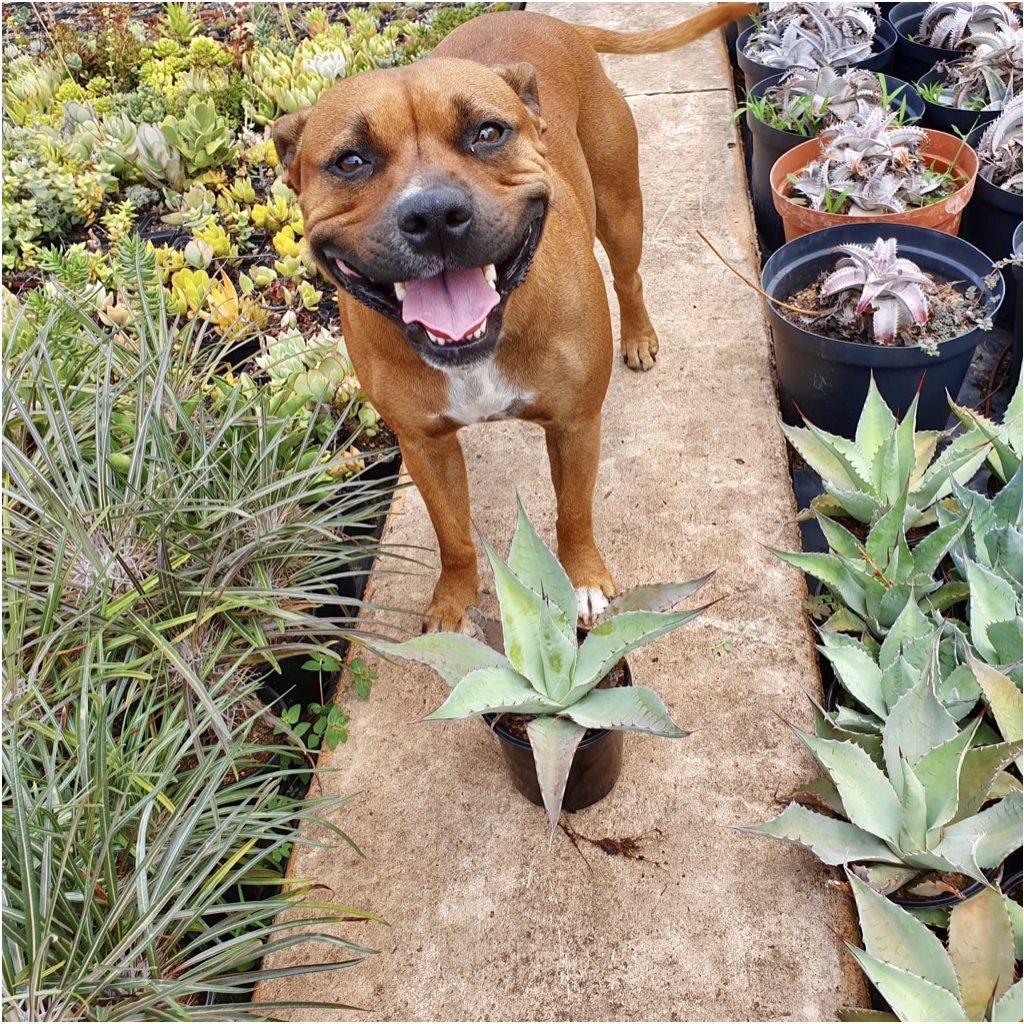
Echeveria agavoides
Echeveria elegance
Echeveria glauca