
Echeveria glauca
Echeveria glauca – Rock Rose Echeveria
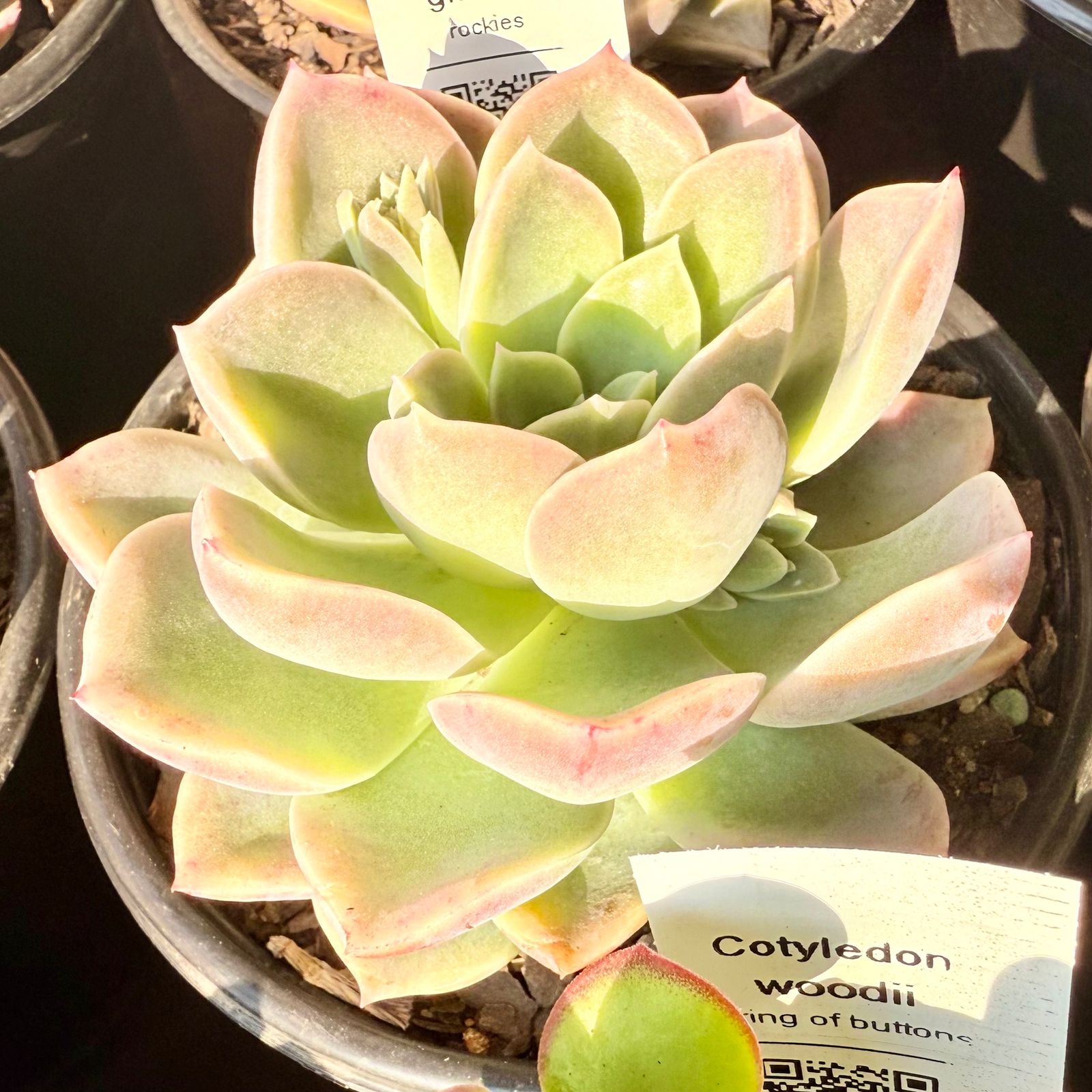
Echeveria glauca, often known as the “Blue Echeveria” or “Mexican Snowball,” is a striking succulent that belongs to the Crassulaceae family. This plant is known for its attractive rosette shape and soft, glaucous (bluish-gray) leaves. Some of the notable characteristics include:
- Leaf Color and Shape: The leaves of Echeveria glauca are thick, fleshy, and shaped like elongated ovals. The plant has a waxy coating that gives it a pale blue or grayish-green hue, which is one of its most distinctive features. The leaves form a symmetrical rosette that is visually appealing and compact.
- Size: This species typically grows to about 4-6 inches (10-15 cm) in height and 8-12 inches (20-30 cm) in diameter. The compact size makes it a popular choice for containers, hanging baskets, and ornamental gardens.
- Flowers: Echeveria glauca produces clusters of small, tubular flowers, typically in shades of pink to orange, during the spring or early summer. These flowers bloom on tall, slender stems that extend from the rosettes, creating an attractive contrast to the plant’s foliage.
Native Range:
Echeveria glauca is native to Mexico, specifically found in the highland regions of the country. It grows in arid, rocky environments where it is exposed to plenty of sunlight and relatively low humidity. Its native habitat is typically warm, with minimal rainfall, which makes it well-suited to dry, sunny locations.
Care Instructions:
- Light: This succulent requires bright, indirect sunlight to thrive. While it can tolerate some direct sunlight, too much intense sun can lead to sunburn, resulting in brown or scorched edges on the leaves. A spot with filtered sunlight or partial shade is ideal.
- Soil: Echeveria glauca prefers well-draining soil, such as a cactus or succulent mix. It is crucial to avoid soil that retains too much moisture, as this can cause root rot. If you are using regular potting soil, be sure to amend it with sand or perlite to improve drainage.
- Watering: Like most succulents, Echeveria glauca is drought-tolerant and requires minimal watering. Water the plant thoroughly but infrequently, allowing the soil to dry out completely between waterings. During the winter, when the plant is dormant, reduce watering even further.
- Temperature: Echeveria glauca thrives in temperatures between 60°F and 85°F (15°C to 29°C). It is sensitive to frost and should be brought indoors or covered if there is a risk of freezing temperatures. This plant prefers warm, dry conditions.
- Fertilization: Fertilize Echeveria glauca during its active growing season (spring and summer) with a diluted, balanced fertilizer. Avoid fertilizing in the winter, when the plant is resting.
Unique and Special Characteristics:
One of the most unique and special aspects of Echeveria glauca is its ability to develop a beautiful blue-grey color, especially when grown in bright, indirect light. This color, which is enhanced by the plant’s natural waxy coating, gives the plant a frosty or almost silvery appearance, making it a standout in any collection or garden. The attractive, symmetrical rosettes and its ability to thrive in a variety of conditions make Echeveria glauca an excellent choice for succulent enthusiasts and those new to growing succulents. Additionally, its flowers, though small, add a touch of warmth to the plant, offering a contrast to the cooler tones of the leaves.
Below are some species we are familiar with…
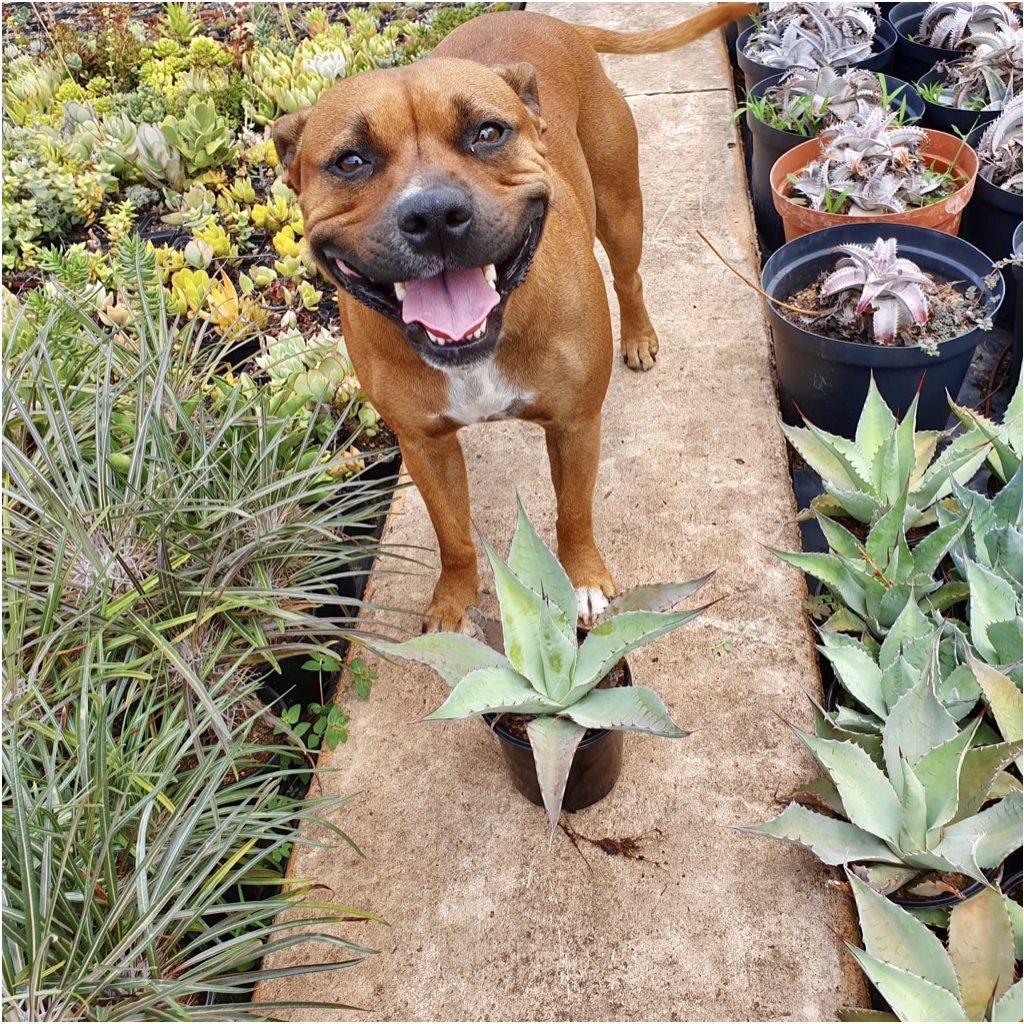
Echeveria agavoides
Echeveria elegans
Echeveria glauca