
Echeveria agavoides
Echeveria agavoides – Lipstick Echeveria
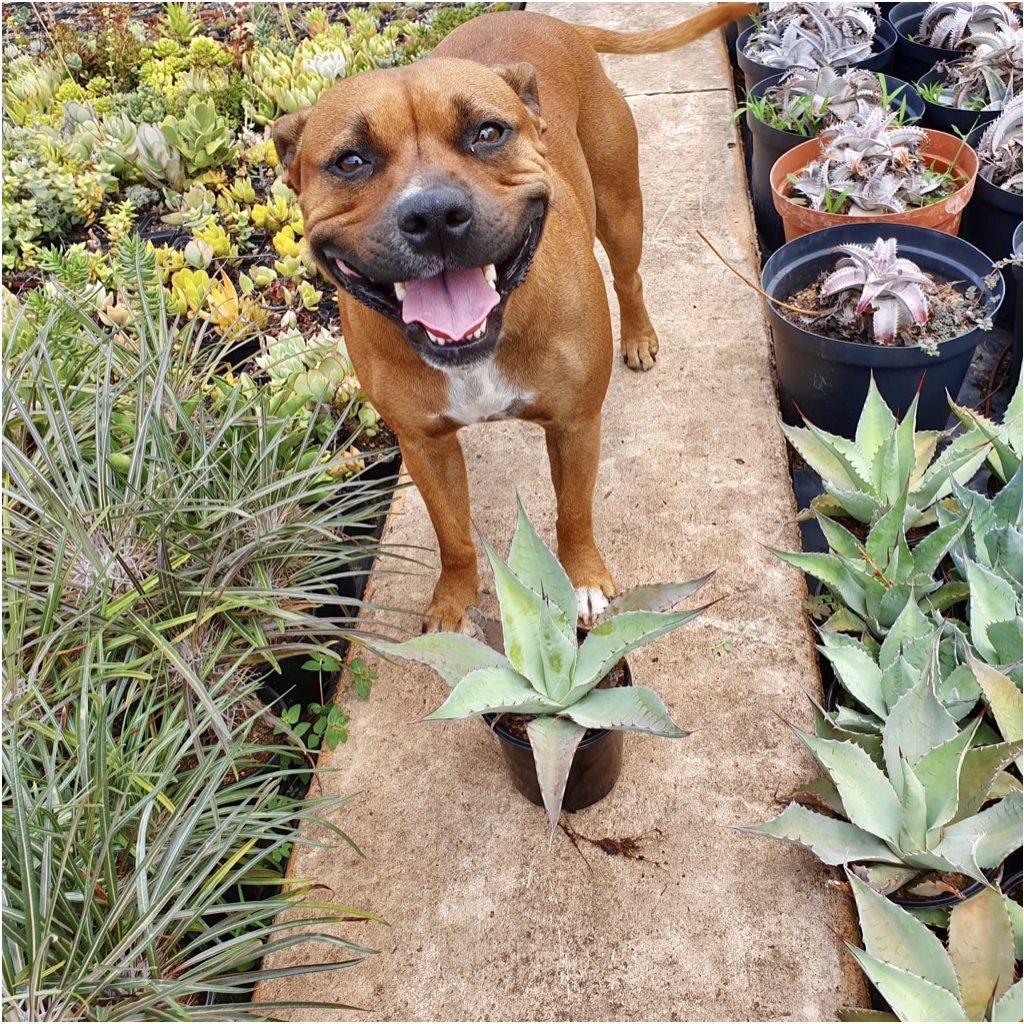
Echeveria agavoides is a popular succulent species known for its striking appearance and low-maintenance care. It is often called the “agave echeveria” due to its agave-like rosettes and spiky leaves. Some of the key characteristics of this plant include:
- Leaf Shape and Color: The plant forms a symmetrical rosette of thick, fleshy, lance-shaped leaves. These leaves are typically green to blue-green in color, with a reddish or pinkish tinge around the edges, particularly when the plant is stressed by sun exposure or cooler temperatures. This gives Echeveria agavoides a vibrant, eye-catching appearance.
- Size: Echeveria agavoides typically grows to about 6 to 8 inches (15 to 20 cm) in diameter, with a height of up to 6 inches (15 cm). The plant’s rosette structure is compact, making it ideal for small spaces and containers.
- Flowers: This echeveria produces bell-shaped, red to orange flowers on tall, thin stems, often in late winter or early spring. The flowers are vibrant and add a contrasting pop of color to the plant’s green and red leaves. The flowering stalk can reach up to 12 inches (30 cm).
Native Range:
Echeveria agavoides is native to Mexico, specifically the arid, rocky regions of central and southern Mexico. It thrives in areas with well-drained soils and plenty of sunlight, which is reflected in its ability to tolerate drought conditions and its general hardiness in sunny environments.
Care Instructions:
- Light: Echeveria agavoides prefers bright, indirect sunlight but can tolerate some direct sunlight. However, too much direct sunlight, especially in very hot climates, can cause the plant’s leaves to burn. A location that gets several hours of morning sunlight or filtered light throughout the day is ideal.
- Soil: The plant requires well-draining soil to prevent root rot, which can be caused by waterlogged conditions. A cactus or succulent mix is the best choice. You can also improve drainage by adding perlite or sand to regular potting soil.
- Watering: Like most succulents, Echeveria agavoides is drought-tolerant and should be watered deeply but infrequently. Water the plant thoroughly, allowing the soil to dry out between waterings. During the winter months, reduce watering as the plant enters dormancy and requires less moisture.
- Temperature: Echeveria agavoides prefers warm temperatures, typically between 60°F and 80°F (15°C to 27°C). It is sensitive to frost and should be brought indoors during the colder months if grown in areas with freezing temperatures.
- Fertilization: Fertilize this plant during the growing season (spring and summer) with a diluted, balanced fertilizer. Avoid fertilizing in the fall and winter when the plant is dormant.
Unique and Special Characteristics:
What makes Echeveria agavoides truly special is its agave-like rosette formation, which gives it an elegant, sculptural appearance. The plant’s compact size makes it a favorite for container gardening and succulent arrangements, while its colorful leaf margins create a stunning contrast, especially when grown in sunlight.
The ability of this echeveria to change color depending on stress factors like sunlight or temperature adds a dynamic element to its visual appeal. When exposed to more sunlight or colder temperatures, its green leaves take on shades of red, pink, or purple at the edges, which only enhances its beauty.
This variety is also very popular among succulent collectors for its relatively easy care and its ability to thrive in a variety of climates, making it a reliable and attractive addition to any garden or indoor collection.
Below are some species we are familiar with…
Echeveria agavoides
Echeveria elegans
Echeveria glauca