
Deilanthe thudichumii
Deilanthe thudichumii – ???

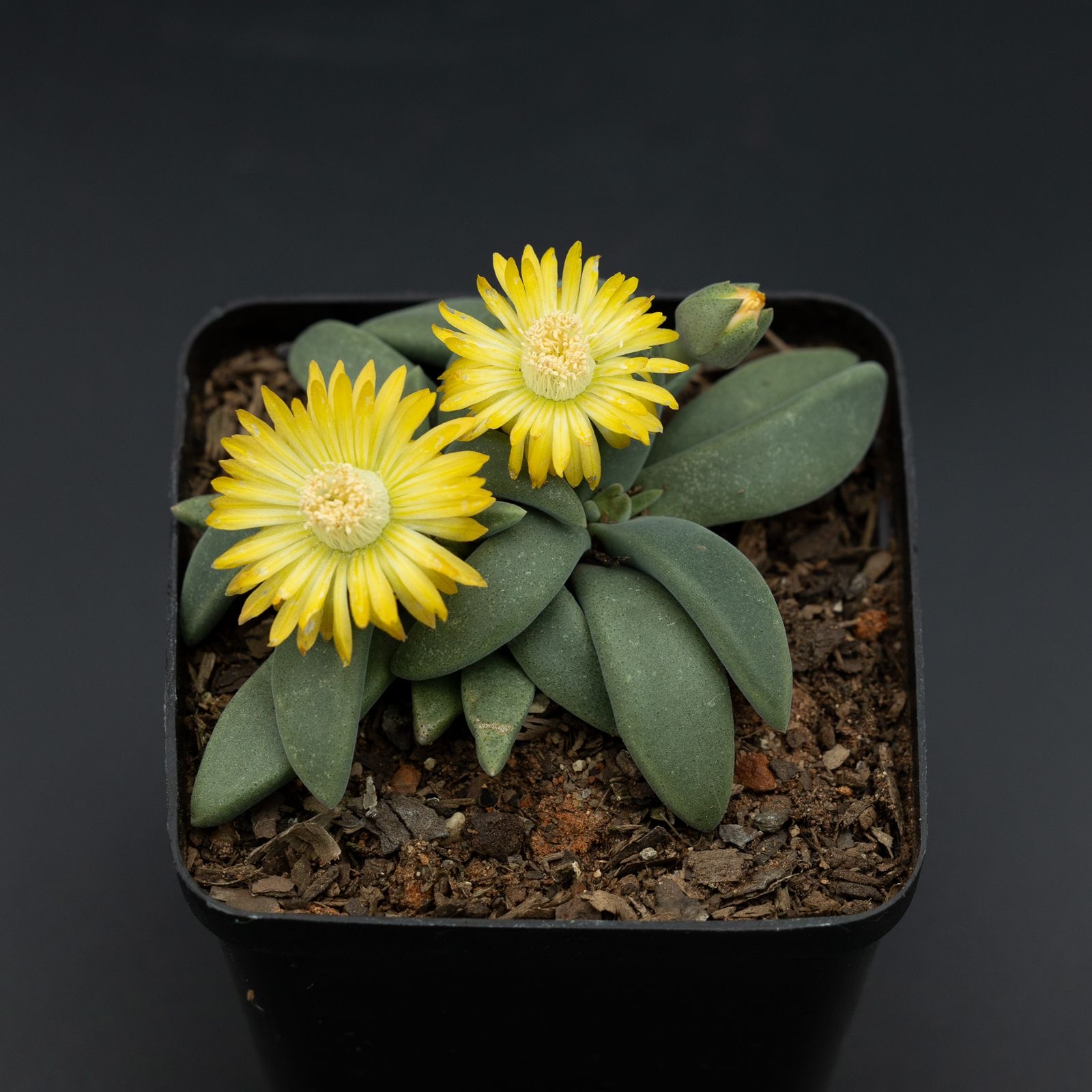
Deilanthe peersii is a rare and charming succulent from the Aizoaceae family, valued for its compact form and textured foliage. This lesser-known plant is a favorite among succulent collectors due to its resilience and unique leaf structure, making it an ideal choice for small containers or rock gardens.
Common Characteristics
- Tiny, Rosette Growth: D. peersii forms small rosettes of thick, fleshy leaves, each covered in tiny, rough tubercles, which give the leaves a unique texture and provide added protection in harsh environments.
- Color and Texture: The leaves range from greenish-gray to brownish tones, depending on light exposure, and often have dark spots or speckles that add to the plant’s visual appeal.
- Seasonal Blooms: During the fall and winter, D. peersii produces small, daisy-like flowers in shades of yellow or white, creating a lovely contrast against its earthy-toned foliage.
- Clumping Habit: This species grows close to the ground, gradually forming clusters of rosettes that spread over time, making it an excellent choice for creating a textured ground cover.
Native Habitat and Origins
Deilanthe peersii is native to the arid regions of South Africa, specifically the Northern Cape province. These areas experience extreme temperatures, rocky soil, and sparse rainfall, requiring plants to have specialized adaptations for water storage and drought resistance.
Care Guide for Deilanthe peersii
With simple care needs, D. peersii is easy to grow and ideal for enthusiasts who appreciate hardy, low-maintenance succulents:
- Soil: Use a well-draining cactus or succulent soil mix with added sand or grit to prevent water retention and replicate its rocky native habitat.
- Watering: Water sparingly, especially during the summer when the plant is dormant. Begin light watering in fall, approximately every two to four weeks, ensuring the soil dries completely between waterings.
- Light: D. peersii prefers bright, indirect sunlight. It can tolerate some direct light, but intense sun may scorch the leaves. Indoors, place it near a bright window or provide indirect grow lights.
- Temperature: This species thrives in mild temperatures and is sensitive to frost. Keep it above 40°F (4°C). In colder climates, bring it indoors or place it in a protected area during winter.
- Fertilization: Fertilize once in early autumn with a diluted cactus or succulent fertilizer to promote growth and blooming.
A Unique Feature: Tubercles for Added Protection
The most fascinating aspect of Deilanthe peersii is the tiny, rough tubercles covering its leaves. These bumps not only give the plant a unique, tactile texture but also provide additional protection by reducing moisture loss and shading the leaf surface from intense sunlight. This adaptation allows D. peersii to survive in its harsh, sun-exposed habitat, making it both resilient and visually distinctive among other succulents. Its textured appearance and compact growth make D. peersii a unique addition to any collection.
Aptenia cordifolia variegata
Below are some species we are familiar with…
Deilanthe peersii