
Crassula
Genus Crassula – The Thick one
The genus Crassula consists of around 200 species of succulent plants known for their fleshy leaves and easy care requirements. These plants exhibit a wide variety of growth forms, ranging from small, low-growing ground covers to taller, shrub-like plants. Their distinctive feature is the ability to store water in their thick, fleshy tissues, making them ideal for dry environments. Crassula plants are commonly cultivated for their ornamental value, with many species featuring attractive leaf shapes and vibrant flowers.
- Leaves: The leaves of Crassula species are generally thick, fleshy, and sometimes waxy, designed to store water in dry conditions. They come in a wide variety of shapes, including oval, round, or even tubular forms, and often have smooth or slightly textured surfaces. Many Crassula species exhibit unique color variations in their leaves, such as red or purple tinges that can develop when the plant is stressed by intense sunlight or water deprivation. In some species, the leaves form dense, rosette-like patterns, while others have more scattered or branching growth habits.
- Flowers: Crassula species produce small, star-like flowers that can vary in color, typically ranging from white to pink, red, or yellow. The flowers are often clustered together in dense groups and can bloom during the spring or summer, depending on the species and growing conditions. While not as showy as some other succulent flowers, Crassula blooms are delicate and charming, attracting pollinators such as bees and butterflies.
- Stem and Growth Form: Crassula plants can range from low, spreading ground covers to upright, bushy shrubs. Some species, like Crassula perfoliata (also known as “propeller plant”), have compact, rosette-like growth, while others, like Crassula ovata (commonly known as the “jade plant”), develop woody stems as they mature. The growth habit varies depending on the species, with some plants forming compact clumps, while others can become quite tall and tree-like over time. Most Crassula species grow slowly but steadily, especially when given optimal care.
- Size: Crassula species can vary significantly in size. Some varieties, like the popular Crassula ovata (jade plant), can grow to 3-4 feet (1 meter) tall, while others remain much smaller, growing only a few inches tall or spreading along the ground. The size of the plant will depend on its species and environmental factors like light and available space.
- Taxonomy: Crassula belongs to the family Crassulaceae, a family of succulent plants that includes other well-known genera like Sedum, Kalanchoe, and Aeonium. The genus Crassula contains a diverse range of species, with Crassula ovata being one of the most popular and widely cultivated for its ornamental qualities. Many species of Crassula are often used in container gardens, hanging baskets, and as ground cover in xeriscaping.
Native Range:
Crassula species are native to various regions, primarily in southern Africa. They thrive in the dry, arid environments of the region, where they are adapted to store water in their fleshy leaves and survive in poor, well-draining soils. Crassula plants are found in a variety of habitats, from rocky hillsides to open grasslands and deserts. Some species are also native to tropical and subtropical regions, such as parts of Asia and Australia.
Care Tips:
- Light: Crassula plants generally prefer bright, indirect light but can tolerate some direct sunlight, especially if they are acclimated gradually. If grown indoors, they should be placed near a south or west-facing window to receive plenty of light. While they can tolerate low light conditions for short periods, they will grow best and produce more vibrant leaves and flowers in a bright environment. However, be mindful of intense midday sun, which can scorch the leaves.
- Soil: These plants prefer well-draining, sandy, or loamy soil. A cactus or succulent potting mix works well, but you can also amend regular potting soil with perlite or sand to improve drainage. Crassula does not like to sit in soggy soil, as it can lead to root rot. It’s important to ensure that the pot has good drainage holes.
- Watering: Like most succulents, Crassula plants should be watered sparingly. During the growing season (spring and summer), water thoroughly, but always allow the soil to dry out completely between waterings. In the winter months, when the plant is typically dormant, reduce watering further. Overwatering is the most common problem for Crassula plants, so it’s important to let the soil dry out between waterings. It’s always better to underwater than overwater.
- Temperature: Crassula plants prefer temperatures between 60°F and 85°F (15°C to 29°C) and should be kept in a warm, dry environment. They are not frost-tolerant and should be brought indoors during freezing temperatures. In cooler climates, they can be grown as houseplants, where temperatures remain consistently mild. Ensure that they are not exposed to drafts or sudden temperature changes.
- Humidity: Crassula plants thrive in low humidity environments, making them well-suited for homes with dry air, particularly in areas with central heating or air conditioning. High humidity can cause the plants to rot, so they should be kept in a dry environment. Ensure the soil dries out completely between waterings to prevent excess moisture.
- Fertilization: During the growing season, Crassula can be fertilized with a diluted, balanced fertilizer designed for succulents or cacti. Feed the plant once every month or so during spring and summer, but avoid fertilizing in winter when the plant is dormant. Too much fertilizer can cause excessive, weak growth, so moderation is key.
- Pruning and Maintenance: Pruning is generally not necessary for Crassula plants, but you can remove dead or damaged leaves to help maintain the plant’s appearance. For species that grow taller, such as Crassula ovata, you can prune back leggy growth to encourage a bushier shape. If the plant becomes too large for its space, you can also propagate the cuttings to grow new plants.
- Pests and Diseases: Crassula plants are generally resistant to pests, but they can occasionally be affected by mealybugs, aphids, or scale insects. Treat any infestations promptly with insecticidal soap or neem oil. The most significant threat to these plants is root rot, which can occur if they are overwatered or if the soil does not drain well. Ensure that the plant is grown in a well-draining potting mix and that the pot has drainage holes.
Unique and Special Aspects:
One of the most unique and special aspects of Crassula plants, particularly Crassula ovata (jade plant), is their long lifespan and potential for growing into striking, tree-like specimens. These plants are often passed down through generations and are considered symbols of good luck and prosperity in many cultures, particularly in East Asia. In some cultures, they are referred to as “money trees” and are believed to bring financial success and good fortune.
Another fascinating characteristic of Crassula is its incredible adaptability to varying environmental conditions. Crassula plants can thrive in low-maintenance environments, making them ideal for beginner gardeners or those with limited space, such as apartment dwellers. Their ability to survive on minimal water and tolerate a range of light conditions makes them highly versatile, and they can even be grown as bonsai plants due to their small, compact size and attractive foliage.
Below are some species we are familiar with…

Crassula benjamin
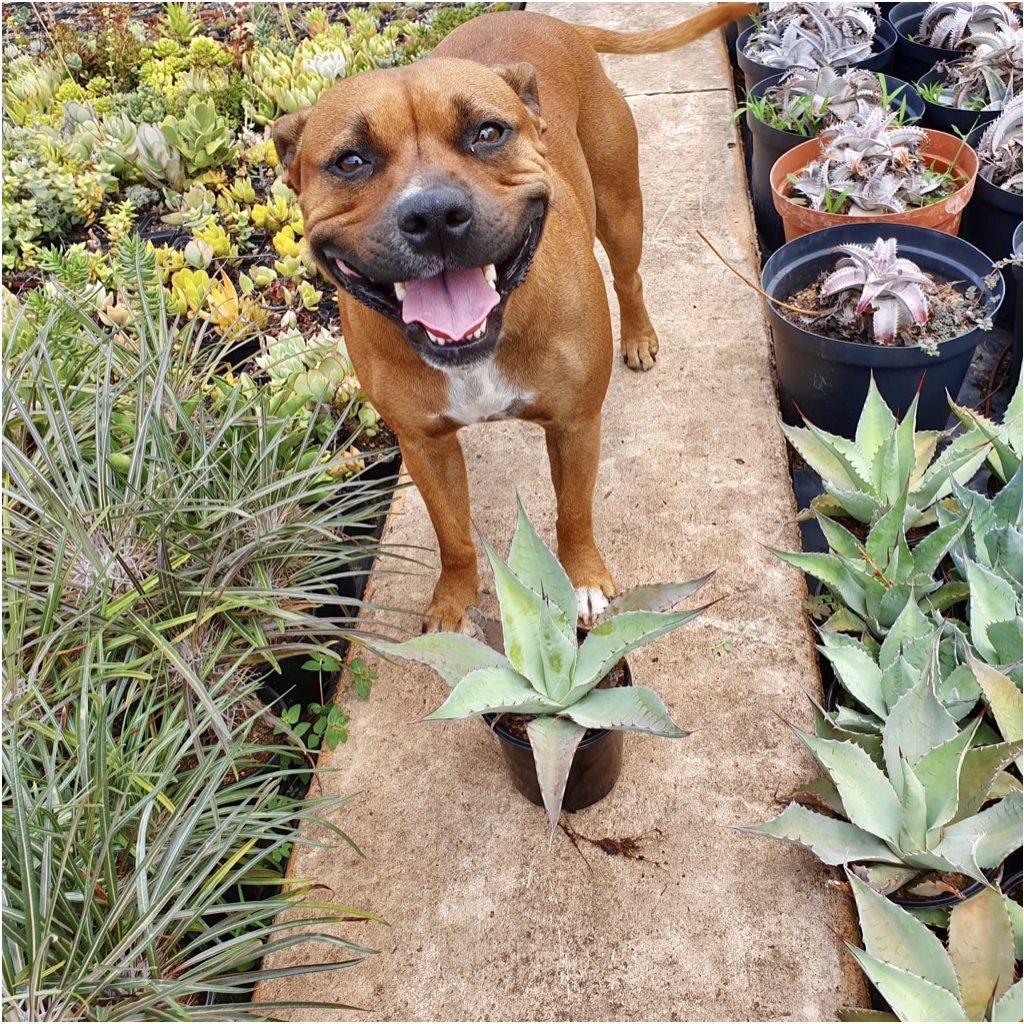
Crassula barklyi
Crassula capitella campfire
Crassula capitella var thyrsiflora
Crassula cooperi var exilis

Crassula drakensberg nova
Crassula exilis bery blush

Crassula exilis schmidtii
Crassula falcata
Crassula marnieriana
Crassula ovata
Crassula ovata curly
Crassula ovata hummel’s sunset
Crassula pellucida
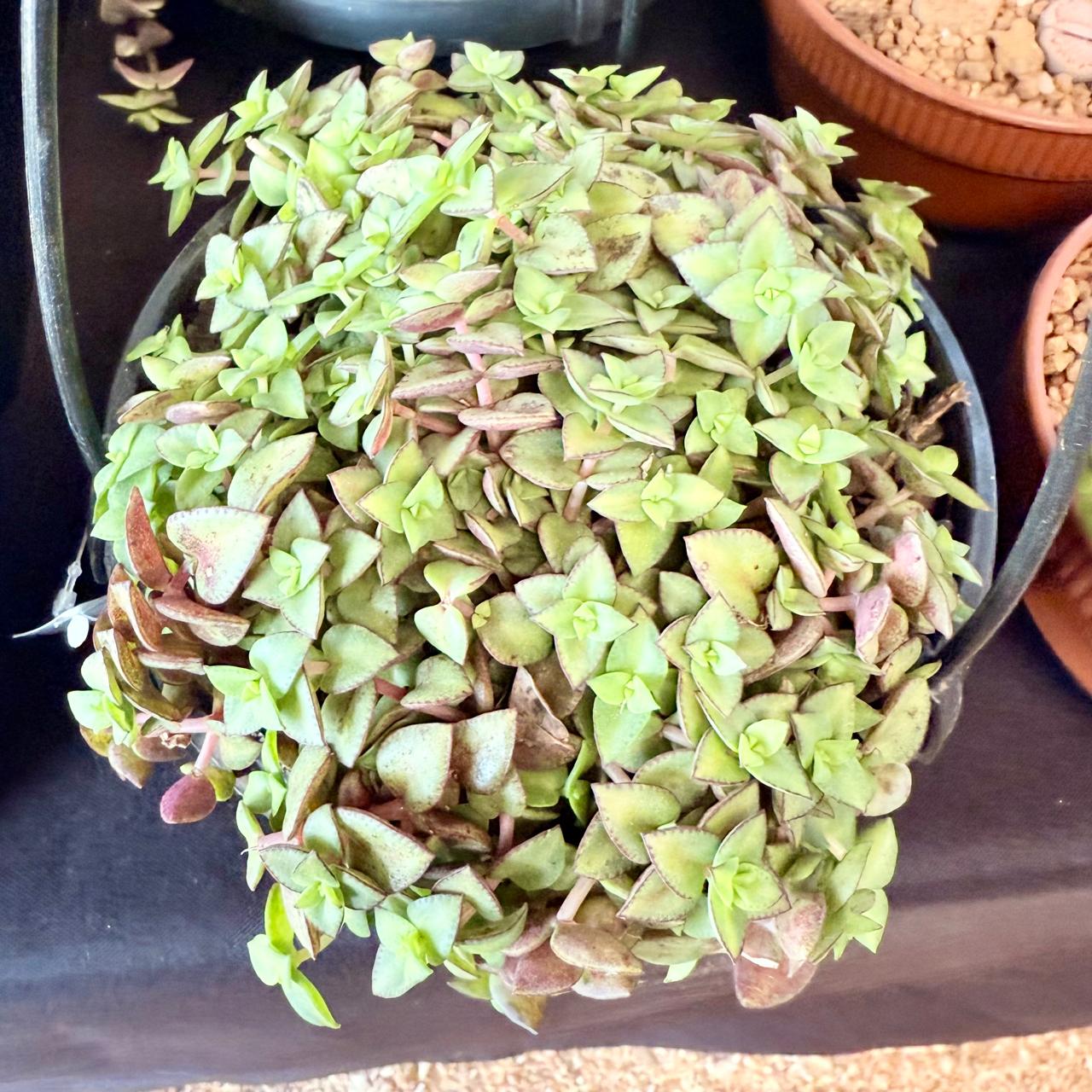
Crassula pelluscida variegata
Crassula perfoliata ivory tower
Crassula perfoliata heterotricha

Crassula rupestris

Crassula socialis

Crassula springtime
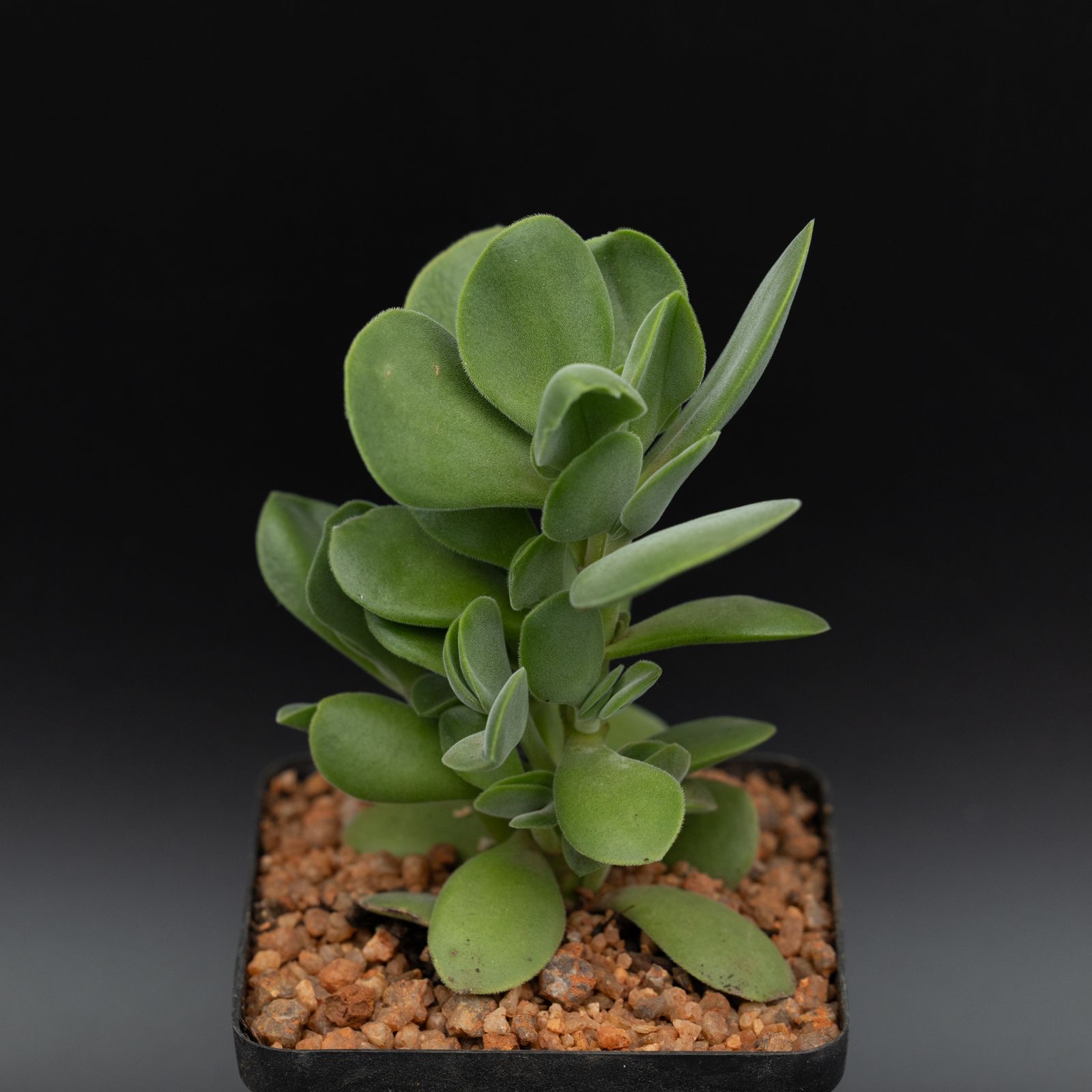
Crassula swaziensis
Crassula swaziensis variegata