
Crassula exilis schmidtii
Crassula exilis schmidtii – The Fairy Tongue

Crassula exilis var. schmidtii is a charming and compact succulent with several key features that make it a sought-after plant among collectors.
- Growth Habit: This variety of Crassula exilis typically forms small, low-growing rosettes that can spread up to 4 inches (10 cm) in diameter. Its growth is compact, and it tends to spread horizontally, creating a dense mat. It has a bushy, trailing form that works well in hanging baskets or as ground cover in xeriscaping.
- Leaves: The leaves of Crassula exilis var. schmidtii are small, fleshy, and oval-shaped, usually around 1 inch (2.5 cm) long. They are a light green color, often with a slight reddish tint on the edges, especially when exposed to full sun. The edges of the leaves may develop a pinkish to reddish hue, adding to the plant’s visual appeal.
- Flowers: This variety produces small, star-like white or pale pink flowers in late spring to early summer. These blooms emerge in tight clusters at the tips of the stems and create a delicate contrast against the succulent foliage. While the flowers are not particularly large, they add a subtle but lovely visual interest during the blooming period.
Native Range:
Crassula exilis var. schmidtii is native to South Africa, where it thrives in the dry, rocky soils of its native habitats. Like many other members of the Crassulaceae family, it is adapted to withstand periods of drought, making it an excellent candidate for low-water gardens and succulent arrangements.
Care Tips:
- Light: This plant does best in bright, indirect sunlight. While it can tolerate some direct sun, it is sensitive to prolonged exposure, which can cause the leaves to scorch or fade in color. If grown indoors, place it near a south- or west-facing window where it can receive plenty of light.
- Watering: Like most succulents, Crassula exilis var. schmidtii should be watered sparingly. Allow the soil to dry out completely between waterings to avoid overwatering and root rot. Water the plant thoroughly, but make sure the pot has good drainage to ensure that excess water does not accumulate. During winter, reduce watering to prevent the plant from staying too moist during its dormant period.
- Soil: A well-draining soil mix is crucial for the health of this plant. Use cactus or succulent-specific soil, or make your own by mixing regular potting soil with sand, perlite, or pumice. This ensures good drainage and prevents water from sitting around the roots, which could cause rot.
- Temperature: Crassula exilis var. schmidtii thrives in moderate temperatures, ranging from 60°F to 80°F (15°C to 27°C). It does not tolerate frost, so it should be brought indoors or kept in a frost-free area during the winter months. It is best suited for indoor environments or regions with mild winters.
- Humidity: This plant prefers dry to moderate humidity levels. It does well in typical indoor conditions with air conditioning or heating. Avoid placing it in overly humid environments, as excessive moisture can lead to fungal diseases and rot.
- Fertilizing: Fertilizing is not strictly necessary for Crassula exilis var. schmidtii, but occasional feeding can support healthy growth. During the growing season (spring through summer), use a balanced, diluted liquid fertilizer once a month. Avoid fertilizing during the winter months when the plant is dormant.
- Repotting: Crassula exilis var. schmidtii does not require frequent repotting, as it grows slowly and is content being slightly root-bound. Repot when the plant outgrows its pot or every 2-3 years to refresh the soil.
Propagation:
This plant can be propagated easily through leaf or stem cuttings. To propagate, simply cut a healthy leaf or stem and allow it to callous over for a few days. Afterward, plant the cutting in a well-draining soil mix, and water sparingly until new roots form. It can also propagate from offsets if the plant produces them.
Unique and Special:
What makes Crassula exilis var. schmidtii particularly special is its attractive, low-growing, mat-forming nature combined with its colorful, almost translucent, leaf edges that develop pink or red hues under the right conditions. These colors give the plant an intriguing look, especially in full sun. It’s a relatively easy succulent to care for, making it ideal for both beginners and seasoned collectors, while its small size and trailing growth habit make it a perfect candidate for hanging baskets or as part of a succulent ground cover.
Below are some species we are familiar with…

Crassula benjamin
Crassula barklyi
Crassula capitella campfire
Crassula capitella var thyrsiflora
Crassula cooperi var exilis

Crassula drakensberg nova
Crassula exilis bery blush
Crassula exilis schmidtii
Crassula falcata
Crassula marnieriana
Crassula ovata
Crassula ovata curly
Crassula ovata hummel’s sunset
Crassula pellucida
Crassula pelluscida variegata
Crassula perfoliata ivory tower
Crassula perfoliata heterotricha

Crassula rupestris

Crassula socialis

Crassula springtime
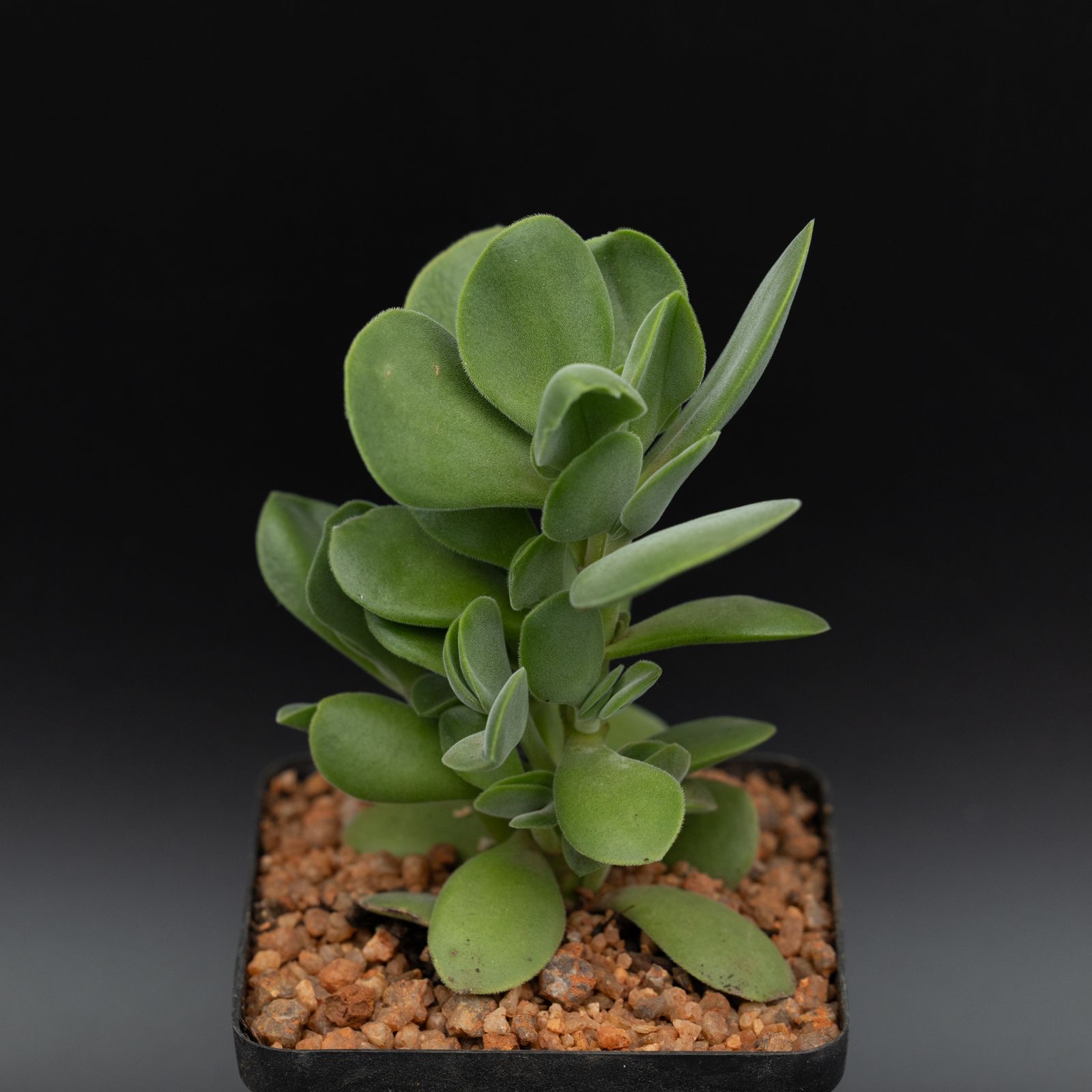
Crassula swaziensis
Crassula swaziensis variegata