
Cotyledon tomentosa
Cotyledon tomentosa – The Bear Claws
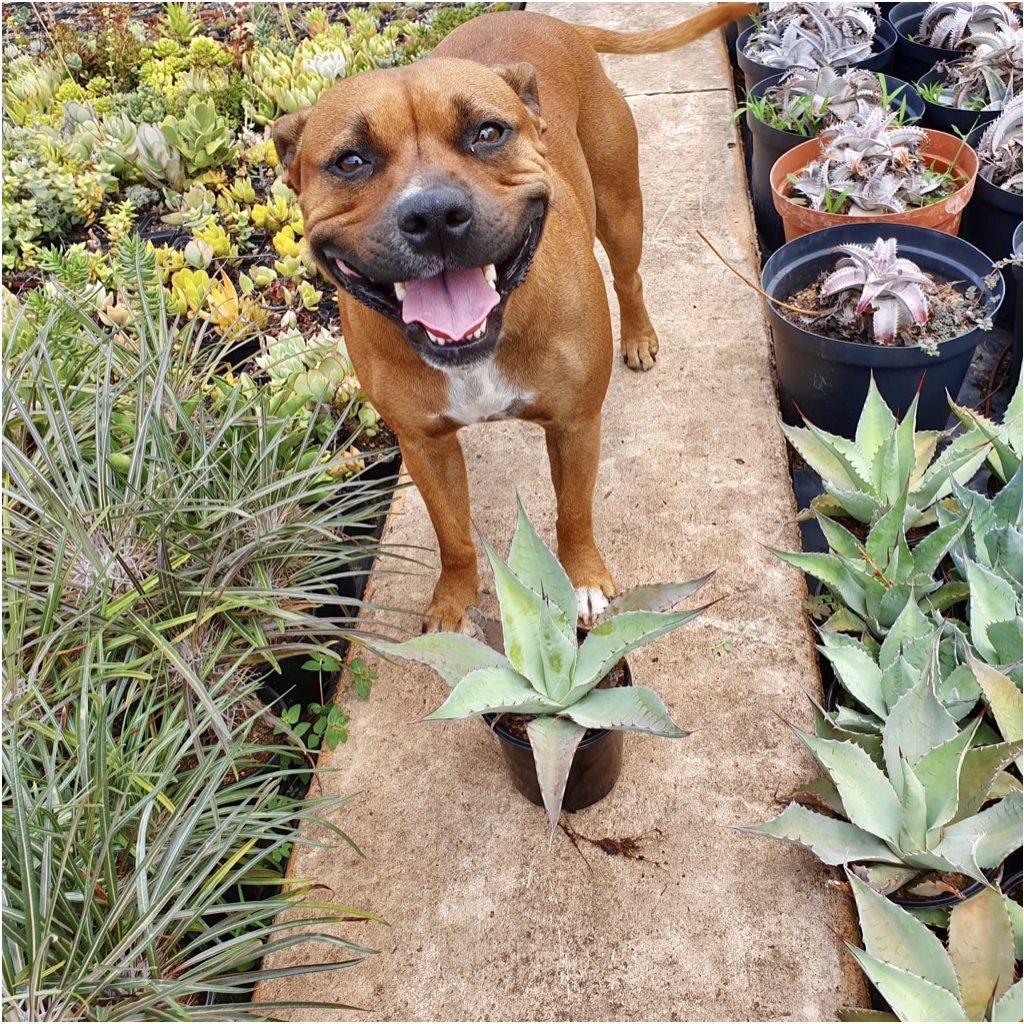
Cotyledon tomentosa, also known as the “Bear’s Paw” plant, is a striking succulent characterized by its furry, soft leaves and unique shape. This species is popular among succulent enthusiasts due to its distinctive appearance and low-maintenance care requirements.
- Growth Habit: Cotyledon tomentosa grows as a bushy succulent that can reach up to 1-2 feet (30-60 cm) in height. It forms rosettes of thick, oval leaves that grow on short, sturdy stems, giving it a compact and bushy appearance. The plant’s growth is typically slow, making it an ideal addition to succulent arrangements or container gardens.
- Leaves: The leaves of Cotyledon tomentosa are its most defining feature. They are thick, fleshy, and have a soft, velvety texture due to the fine hairs that cover them. The leaves are a pale green to blue-grey color, with reddish or brownish edges, which often become more pronounced in strong light or drought conditions. The unique texture and color make this plant an attractive focal point in any succulent collection.
- Flowers: In late spring to early summer, Cotyledon tomentosa produces tubular, orange to coral-colored flowers on long stems. The flowers, though not as showy as the plant’s foliage, are still a beautiful contrast to the plant’s lush, furry leaves.
Native Range:
Cotyledon tomentosa is native to the dry, mountainous regions of South Africa, where it grows in rocky soils with excellent drainage. The plant is adapted to arid conditions, making it drought-tolerant and resilient to dry environments. It is commonly found in regions with a Mediterranean climate, where it experiences long periods of sunshine and little rainfall.
Care Tips:
- Light: Cotyledon tomentosa thrives in bright, indirect sunlight but can tolerate some direct sunlight, especially in the morning or evening hours. If grown indoors, it’s best to place the plant near a south or west-facing window. Too much direct sunlight, especially in hot climates, can scorch the leaves, so ensure that it has some protection from the harsh midday sun.
- Watering: Like other succulents, this plant is sensitive to overwatering. Water deeply but infrequently, allowing the soil to dry out completely between waterings. In the winter months, reduce watering as the plant enters dormancy. Overwatering can lead to root rot, so make sure the plant has a well-draining pot and soil.
- Soil: Use a well-draining cactus or succulent mix. A mix with added sand or perlite will help ensure proper drainage and prevent the roots from sitting in water. The plant prefers slightly acidic to neutral soil, but it can tolerate a range of pH levels.
- Temperature: Cotyledon tomentosa thrives in warm temperatures, ranging from 60°F to 85°F (15°C to 29°C). It is not frost-tolerant and should be protected from freezing temperatures. During cold weather, it’s best to move the plant indoors or place it in a greenhouse if grown outside.
- Humidity: This species prefers low humidity, typical of most succulents. Keep it in a dry, well-ventilated area to avoid excessive moisture, which can promote fungal growth or rot.
- Fertilizing: Feed the plant with a diluted, balanced fertilizer every 4-6 weeks during the growing season (spring and summer). During the winter months, refrain from fertilizing, as the plant is typically dormant.
- Repotting: Repot Cotyledon tomentosa every 1-2 years, or when it outgrows its container. This is best done in the spring, when the plant is actively growing, to minimize stress. Choose a slightly larger pot with good drainage to allow the roots to spread.
Propagation:
Cotyledon tomentosa is easily propagated from leaf or stem cuttings. To propagate, cut a healthy leaf or a short stem from the plant, allow the cut surface to callus for a few days, and then plant it in a well-draining succulent mix. Keep the cutting in a warm, bright location, and water sparingly until roots form.
Unique and Special:
What makes Cotyledon tomentosa special is its unique, velvety texture and the distinctive appearance of its leaves, which resemble a bear’s paw. This texture not only adds visual interest but also helps the plant retain water in its native, dry environment. It’s a low-maintenance plant that can thrive in both outdoor gardens and indoor containers, making it perfect for succulent collectors and beginners alike. Its striking appearance and the soft feel of its leaves make it a tactile and visual delight, which is a rarity in many succulents. The plant’s resilience to dry conditions and its ability to brighten up spaces with minimal care are other reasons why it’s highly valued among gardeners.
Below are some species we are familiar with…
Cotyledon orbiculata
Cotyledon orbiculata purple wings
Cotyledon pendens
Cotyledon tomentosa