
Cheiridopsis
Cheiridopsis – the Desert Gems
The genus Cheiridopsis, part of the Aizoaceae family, is a group of unique succulents known for their thick, fleshy leaves and brilliant blooms. Their name, derived from Greek, means “hand-like,” referring to the shape of the leaves. With their remarkable drought tolerance and distinct foliage, Cheiridopsis plants are highly regarded among succulent enthusiasts and collectors.
Common Characteristics
- Paired, Fleshy Leaves: Cheiridopsis species are known for their distinctive pairs of thick, finger-like leaves that come in various shades of green, gray, or bluish tones. During their dormancy, the old leaves often dry up to protect the new ones, which emerge from within, creating a self-sustaining system that conserves water.
- Bright, Showy Flowers: These succulents bloom in late winter or early spring, producing large, daisy-like flowers in colors ranging from yellow to orange or pink, which stand out vibrantly against their subdued foliage.
- Clumping Growth: Most Cheiridopsis species grow in low clumps, forming small mats that spread over time. This growth habit makes them suitable for container gardens and rock gardens.
- Drought Tolerance: As highly drought-tolerant plants, Cheiridopsis species store water in their leaves to survive long dry periods, an adaptation suited to their arid native habitat.
Native Habitat and Origins
Cheiridopsis is native to the arid regions of Namibia and South Africa, particularly in the winter-rainfall areas of the Namaqualand and Karoo deserts. These environments experience intense sunlight, rocky soil, and minimal water, shaping the plant’s adaptations to survive in extremely dry conditions.
Care Guide for Cheiridopsis
Though they require some specific care to thrive, Cheiridopsis plants are relatively easy to grow for those familiar with the needs of arid succulents:
- Soil: Plant Cheiridopsis in a gritty, well-draining cactus or succulent soil mix with added sand or pumice to prevent root rot.
- Watering: Water sparingly, especially during their growing season in winter. Allow the soil to dry out completely between waterings, typically every 3–4 weeks. During their summer dormancy, water only occasionally, if at all.
- Light: Cheiridopsis thrives in bright, full sun, which helps maintain compact growth and encourages flowering. In lower light, the plant may stretch, losing its characteristic shape.
- Temperature: This genus prefers mild to warm temperatures and is frost-sensitive. Protect it from temperatures below 40°F (4°C) by moving it indoors or to a protected area during colder months.
- Fertilization: Fertilize minimally, using a diluted succulent fertilizer once at the start of the growing season in late fall or winter to support flowering.
A Unique Feature: Self-Sustaining Leaf System
One of the most fascinating aspects of Cheiridopsis is its self-sustaining leaf cycle. The older leaf pairs dry up during the summer dormancy, creating a protective layer around the newer leaves. This natural adaptation not only conserves moisture but also shields the emerging growth from intense sunlight, helping the plant survive in harsh, arid conditions. The unique life cycle and resilience of Cheiridopsis make it a stunning and intriguing addition to any succulent collection, as well as a testament to the ingenious ways plants adapt to their environments.
Below are some species we are familiar with…

Cheiridopsis namaquensis
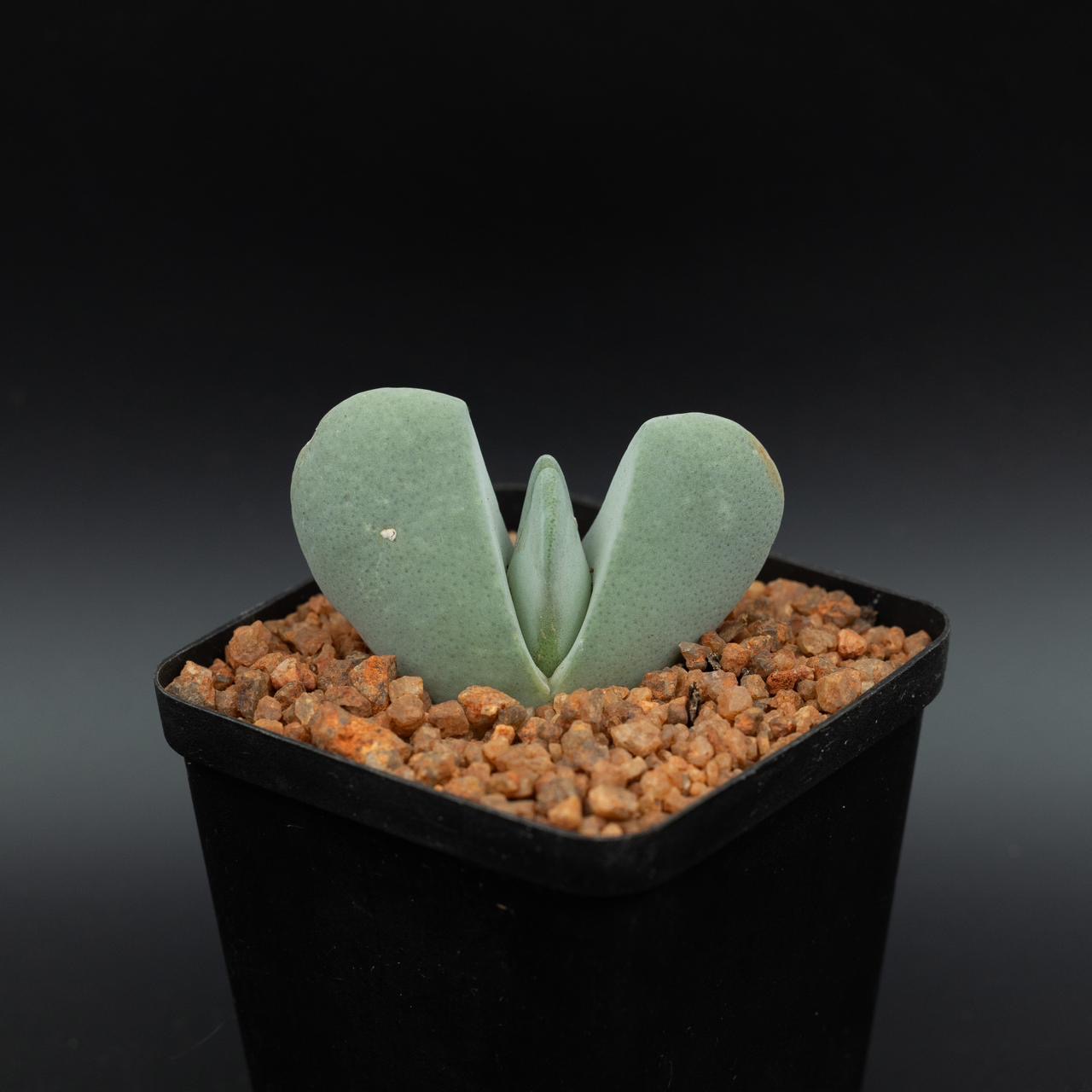
Cheiridopsis pilansii
